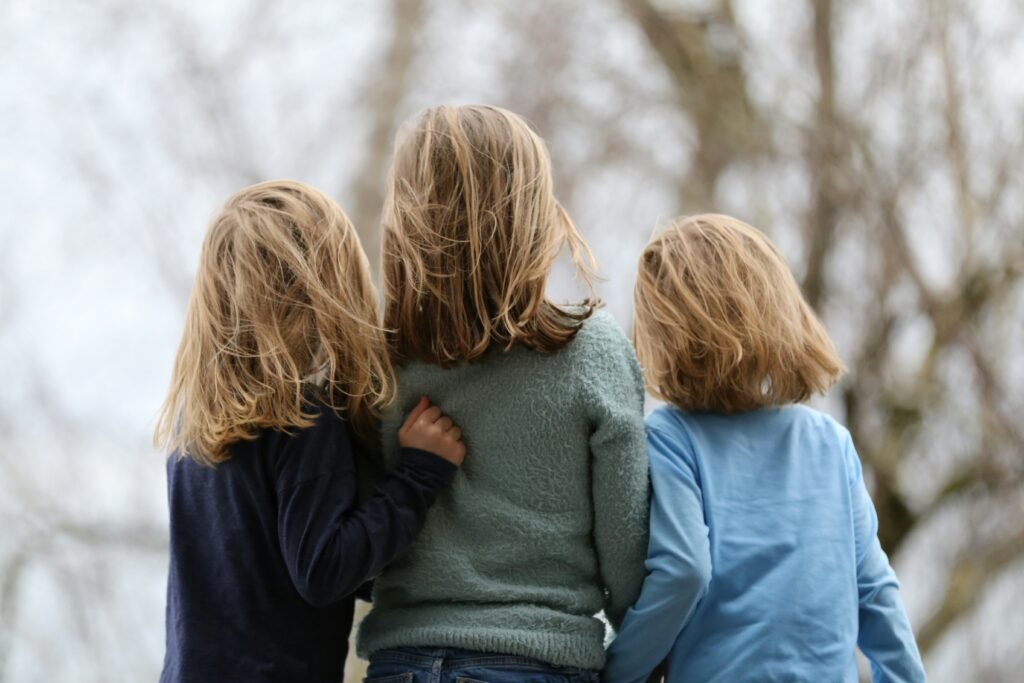
When one child has allergies, the whole family often adapts around it — meals, snacks, routines, outings, school planning, and social events can all start to look a bit different. Siblings notice that, even if they do not always say much about it.
Some siblings are wonderfully protective. Others feel confused, left out, frustrated, or worried. All of those reactions are normal. This guide covers practical ways to help siblings understand allergies without making them anxious, resentful, or overlooked.
Quick Things to Know
- Siblings often notice more than adults realise
- Clear, age-appropriate explanations help
- Children do not need frightening detail to understand safety
- It is okay if siblings have mixed feelings
- Involving them can build confidence and empathy
- They still need attention for their own feelings too
Why This Matters
When one child has allergies, the focus naturally goes there:
- checking food
- carrying medication
- talking to school
- planning parties
- managing symptoms
- watching for reactions
That is understandable, but siblings may quietly absorb a lot too.
They may wonder:
- Why can’t we have that food?
- Why do adults always check things?
- Why does my brother or sister get special snacks?
- What happens if they get poorly?
- Is it my job to help?
- Am I allowed to feel annoyed by this?
Helping siblings understand what is going on can reduce confusion and make family life feel steadier for everyone.
1. Keep the Explanation Simple
Siblings do not need a full medical lecture.
A simple explanation is often enough, such as:
“Your sister has an allergy, which means some foods or things can make her poorly, so we have to be careful.”
Or:
“Your brother’s body reacts badly to certain things, so we check food and keep medicine nearby to keep him safe.”
Simple, calm language usually works better than lots of detail.
2. Use Age-Appropriate Language
A younger child may only need to understand:
- this food is not safe for them
- we do not share food
- tell an adult if they feel unwell
An older child may be ready to understand:
- what the allergy is
- why labels are checked
- what symptoms may look like
- what to do if something seems wrong
The key is to give enough information to make sense of the situation without putting too much responsibility on them.
3. Make It Clear That It Is Not Anyone’s Fault
Children can sometimes think in surprisingly personal ways.
A sibling might quietly wonder:
- Did I cause this?
- Is it because we ate the wrong thing?
- Will I get it too?
- Did I make it worse by sharing food before?
It helps to say clearly:
- this is not anyone’s fault
- no one caused the allergy
- the job now is just to help keep everyone safe
That reassurance can matter more than adults realise.
4. Explain the Rules in Practical Terms
Siblings often cope better when they understand the reason behind the rule.
For example:
- “We don’t share snacks because even a small bit could make them poorly.”
- “We wash hands after eating because it helps keep things safe.”
- “We keep medicine in the same place so adults can find it quickly if needed.”
Children tend to do better with clear practical logic than with vague warnings.
5. It Is Okay if Siblings Feel Annoyed Sometimes
This is important.
A sibling may sometimes feel:
- left out
- irritated
- embarrassed
- fed up with the extra rules
- frustrated that things feel harder
That does not make them selfish or bad.
It usually just means they are also living with the impact of the allergy in their own way.
The goal is not to shame those feelings. It is to make room for them while still keeping the allergy safety boundaries clear.
6. Avoid Turning Them into Mini-Parents
It can be helpful when siblings know some basics, but they should not feel like the whole responsibility sits on them.
They do not need to feel:
- it is their job to watch constantly
- they must never make a mistake
- they are responsible for managing emergencies alone
- they have to put their own needs second all the time
A better message is:
- “You can help by remembering the safety rules and telling an adult if something seems wrong.”
That keeps them involved without overburdening them.
7. Praise Helpful Behaviour
If a sibling:
- remembers not to share food
- checks before giving something
- tells an adult quickly
- explains the allergy kindly to someone else
- helps their brother or sister feel included
it helps to notice that.
For example:
- “You did really well remembering that.”
- “That was a kind thing to do.”
- “You helped keep things safe there.”
This builds confidence and reinforces good habits without making it feel like a heavy duty.
8. Help Them Feel Included Too
Sometimes the child with allergies gets a lot of attention — understandably — and siblings may quietly feel overlooked.
That is why it helps to notice:
- whether one child always gets the “special” treat
- whether the sibling is also feeling restricted
- whether meals or events still feel fair
- whether they get their own individual attention too
You do not need to make everything exactly equal. But it helps when siblings feel seen, not just expected to adapt.
9. Prepare Them for Emergencies Without Scaring Them
If the allergy is more serious, siblings may benefit from knowing simple basics such as:
- what a reaction might look like
- when to get an adult
- not to panic
- where the medicine usually is
- that adults know what to do
Keep it calm and practical.
For example:
“If your sister says she feels funny or starts coughing after food, come and get an adult straight away.”
That is often enough. They do not need every scary detail.
10. Different Ages May Need Different Conversations
A teenager sibling may need a very different conversation from a four-year-old sibling.
Older children may be more aware of:
- social awkwardness
- embarrassment
- risk
- fairness
- responsibility
Younger children may just focus on:
- rules
- snacks
- not sharing
- telling an adult
So it helps to revisit the conversation as children grow, rather than assuming one explanation will last forever.
11. Keep the Door Open for Questions
Siblings may not always ask things straight away.
Questions can come later, such as:
- Why does this happen?
- Will they always have this allergy?
- Can they die from it?
- Why are some things allowed and some not?
- Why can I eat this and they can’t?
Try to keep the tone open, honest, and calm.
You do not need perfect answers. You just need to make it safe for them to ask.
12. Focus on Family Teamwork
A helpful message for many families is:
- we all have different needs
- this is one of the ways we help each other
- nobody caused it
- everyone has a part to play
- adults are still responsible for the big decisions
That can make the allergy feel less like one child’s “issue” and more like something the family knows how to handle together.
Quick Checklist
✅ Explained the allergy in simple, age-appropriate language
✅ Made it clear it is not anyone’s fault
✅ Explained the safety rules in practical terms
✅ Left room for siblings’ feelings too
✅ Avoided making them feel over-responsible
✅ Praised helpful behaviour
✅ Kept the conversation open as they grow
Final Thoughts
Helping siblings understand allergies is not about making them experts. It is about helping them make sense of what is happening, know the basic safety rules, and feel emotionally included in family life.
The aim is not perfect reactions or constant harmony. It is to build a calmer family understanding where siblings feel informed, supported, and able to play a positive role without carrying too much on their shoulders.
A little honesty and reassurance often goes a long way.
Related Guides
- Helping Children Talk About Their Allergy
- Allergy-Friendly Playdates
- Starting School with Allergies
- Grandparents, Childminders and Allergy Safety
Disclaimer: This guide is for general information only and should not replace medical advice. Always follow advice from your doctor or healthcare professional.