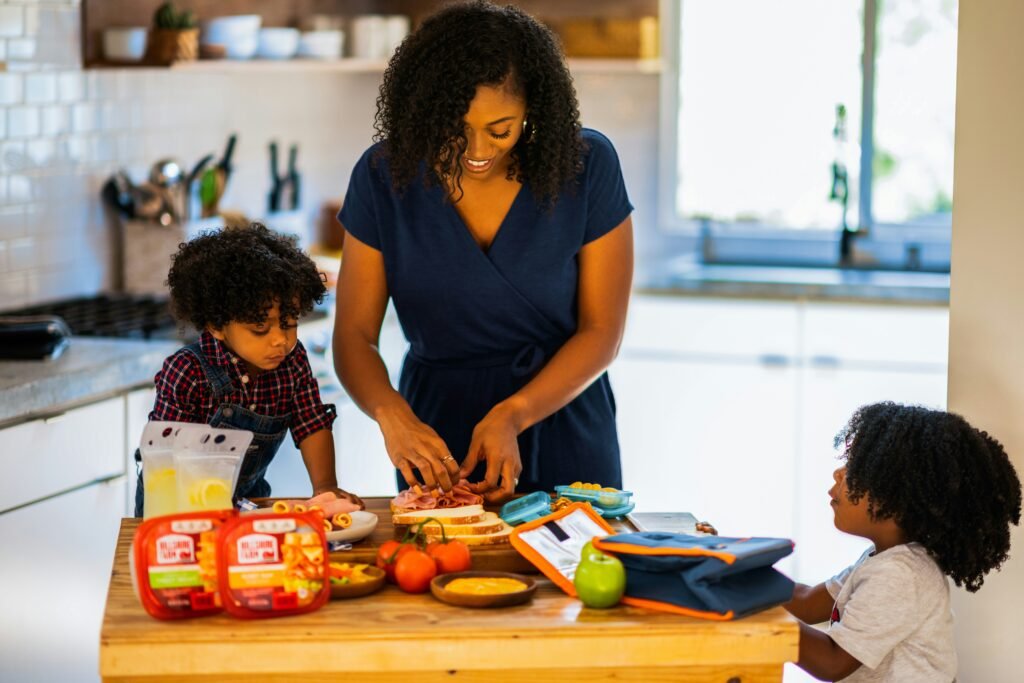
Packed lunches can feel like one more thing to worry about when your child has allergies. You want the food to be safe, easy to manage, filling enough for the day, and still something your child will actually eat.
The good news is that packed lunches do get easier with routine. With a few reliable options, some simple planning, and a focus on foods you already trust, lunchboxes can feel much less stressful.
This guide covers practical ideas for making packed lunches safer, simpler, and more manageable for children with allergies.
Quick Tips for Safer Lunchboxes
- Stick to foods you already know are safe
- Read labels every time, even on regular products
- Keep lunch simple rather than overcomplicated
- Include one or two reliable favourites
- Think about storage, temperature, and freshness
- Make sure school staff understand your child’s allergy needs
Why Packed Lunches Can Feel Difficult
Lunchboxes are not just about food. They are also about school routines, social situations, storage, supervision, and making sure your child feels included.
Parents often juggle questions like:
- Is this definitely safe?
- Will my child actually eat it?
- Will it stay fresh until lunchtime?
- Will other children be sharing food?
- Will staff understand what my child can and cannot have?
That is a lot to hold in your head. The aim is not to make lunchboxes perfect. It is to make them safe, manageable, and realistic for everyday life.
1. Start with Safe, Familiar Foods
Packed lunches are usually easiest when built around foods you already know are safe and well tolerated.
This might include:
- bread or wraps you trust
- safe crackers
- fruit
- vegetables
- yoghurt alternatives
- pasta
- rice
- safe snack bars
- leftovers from home
There is no prize for making every lunch creative. Familiar and safe is often the best place to start.
2. Keep It Simple
Simple lunches are often easier to prepare, easier to check, and easier for children to manage independently.
For example:
- a safe sandwich or wrap
- chopped fruit
- a safe snack
- some vegetables or crackers
- a drink if needed
Complicated lunchboxes with lots of little components may look impressive, but they can create more room for confusion, missed label checks, or wasted food.
Simple is not boring — it is often practical and reliable.
3. Read Labels Every Time
Even if a product has been safe before, always check it again.
This is especially important for:
- bread
- cereal bars
- crisps
- biscuits
- yoghurt alternatives
- dips
- lunchbox snacks
- “free-from” products
Manufacturers can change recipes, ingredients, and allergen wording. A product that was safe last month may not be safe now.
Packed lunch routines work best when label checking becomes automatic.
4. Think About Cross-Contamination
Lunchbox safety is not only about ingredients. Cross-contamination can matter too.
Helpful habits include:
- packing food in clean containers
- using clean utensils when preparing lunch
- washing hands before making lunch
- keeping allergen-free foods separate from riskier items in shared kitchens
- avoiding reused wrappers or surfaces that may have traces of allergens
It is also worth thinking about what happens at school:
- are children discouraged from sharing food?
- do staff know your child should not swap snacks?
- are tables cleaned before lunch?
A safe lunch starts at home, but school routines matter too.
5. Build a Small List of Reliable Lunchbox Options
One of the easiest ways to reduce stress is to create a shortlist of lunchbox foods that work well.
For example, you might have:
- 2 or 3 safe main options
- a few fruit or veg choices
- several safe snacks
- one or two treats your child enjoys
That way, you are not reinventing the lunchbox every morning.
Routine often makes lunch prep quicker, calmer, and more manageable.
6. Include Food Your Child Will Actually Eat
Safety matters most — but there is no point packing a technically perfect lunch if it always comes home untouched.
Children may be more likely to eat lunch if:
- the food is familiar
- it is easy to open and handle
- it looks manageable
- it is not too messy
- it feels similar enough to what other children have
Children with allergies already deal with enough difference. Where possible, it helps if safe food can still feel normal and enjoyable.
7. Plan for Treats and Special Occasions
Packed lunches can feel harder when other children have birthday treats, bakery items, or things your child cannot safely join in with.
Helpful ideas include:
- keeping a safe treat option at home or school
- packing a small “something extra” once in a while
- making sure your child has a snack they genuinely like
- talking to school staff about how celebrations are handled
Inclusion matters too. Safe food should not always feel like second best.
8. Make Lunches Easy for Other Adults to Understand
If someone else may be preparing or supervising lunch — such as a partner, grandparent, childminder, or school club staff member — it helps if your system is straightforward.
That might mean:
- keeping lunchbox staples in one place
- having a short safe-food list
- labelling key products
- avoiding foods that are too easily confused with unsafe versions
The easier your routine is, the easier it is for others to help safely.
9. Think About Temperature and Storage
Some allergy-friendly foods can be more sensitive to storage, especially if they are homemade or rely on chilled ingredients.
Think about:
- whether the lunchbox stays cool enough
- whether an ice pack is needed
- whether food will still be appealing by lunchtime
- whether containers seal properly
- whether the food can survive being carried around in a school bag
Safe food still needs to be practical.
10. Review What Works and What Does Not
Lunchboxes often need a little trial and error.
It can help to notice:
- what comes home uneaten
- what gets eaten first
- what your child asks for again
- what is easy to prepare on busy mornings
- what works well for school trips or clubs
The best packed lunch is not the most impressive one. It is the one that is safe, realistic, and actually works for your child.
Quick Checklist
✅ Used foods already known to be safe
✅ Read labels carefully
✅ Kept preparation clean and simple
✅ Packed food my child will actually eat
✅ Thought about cross-contamination
✅ Considered storage and freshness
✅ Made sure school understands my child’s allergy needs
Final Thoughts
Packed lunches for children with allergies do not need to be complicated to be safe and effective. A few reliable foods, careful label checking, and a simple routine can make a big difference.
The aim is not to create perfect lunchboxes every day. It is to send your child to school with food that is safe, familiar, and manageable — and to make life a little easier for you in the process.
A calm routine often matters more than endless variety.
Related Guides
- Allergy-Friendly School and Nursery Tips
- Food Labels Explained: How to Read Allergy Information Safely
- Safe Snacks for Allergies
- Talking to Others About Allergies: How to Explain Your Needs Clearly
Disclaimer: This guide is for general information only and should not replace medical advice. Always follow advice from your doctor or allergy specialist.