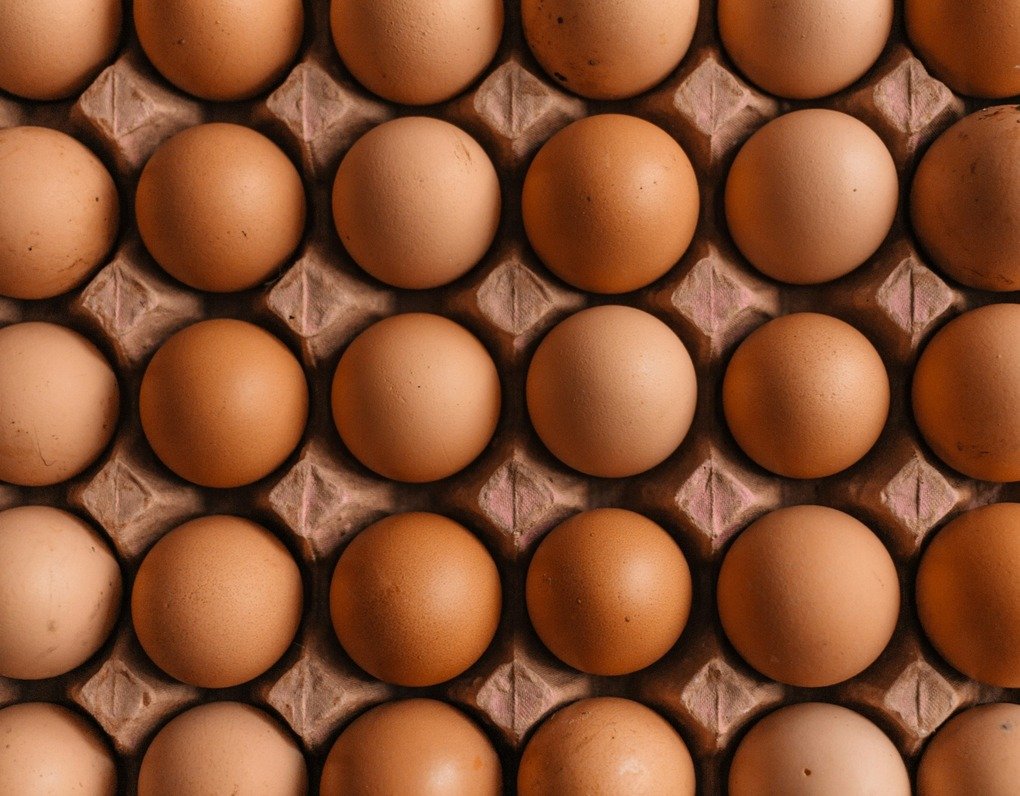
Egg allergy can be harder to manage than many people first expect, because egg is not only found in omelettes, scrambled egg, cakes, and mayonnaise. It can also appear in sauces, coatings, desserts, pasta, bakery products, ready meals, and processed foods where it is easy to miss if you are rushing.
This guide explains where egg may be hidden, which ingredients to watch for, and how to feel more confident checking food labels and everyday products.
Quick Things to Watch For
☐ Always read the full ingredients list
☐ Do not just look for the word “egg”
☐ Be extra careful with cakes, sauces, dressings, coatings, pasta, and desserts
☐ Check labels every time, even on familiar products
☐ Watch for cross-contamination in bakeries, cafés, buffets, and shared kitchens
☐ When in doubt, leave it out
Why Egg Can Be Hard to Avoid
Egg is used in many everyday foods because it can help bind, thicken, glaze, coat, rise, or improve texture.
Most people think first of:
- eggs
- omelettes
- scrambled egg
- boiled egg
- fried egg
- cakes
- mayonnaise
But egg can also appear in foods that do not look especially “eggy” at first glance, especially processed foods, bakery products, sauces, and ready-made items.
That is why managing an egg allergy often means looking beyond the obvious.
1. Egg Is Not Just in Omelettes and Cakes
Egg is commonly found in:
- cakes
- muffins
- cupcakes
- pancakes
- waffles
- pastries
- quiche
- mayonnaise
- custard
- meringue
- some pasta
- some noodles
But it can also appear in:
- sauces
- dressings
- glazes
- coatings
- breadcrumbs
- battered foods
- meatballs
- burgers
- desserts
- ice cream
- ready meals
- processed snacks
- bakery products
This is why checking labels carefully matters so much.
2. Ingredient Names That May Mean Egg
Egg may be listed clearly, but it can also appear under ingredient names such as:
- egg
- egg white
- egg yolk
- dried egg
- powdered egg
- whole egg powder
- albumen
- albumin
- ovalbumin
- ovoglobulin
- ovomucoid
- ovotransferrin
- livetin
- lysozyme
- egg lecithin
Some of these sound more scientific or less familiar, but they may still matter for someone with an egg allergy.
Always read the full ingredients list, not just the allergen box or front-of-pack claim.
3. Cakes, Biscuits, and Bakery Products Need Extra Care
Egg is very common in bakery products, including:
- cakes
- muffins
- biscuits
- cookies
- pastries
- brioche
- pancakes
- waffles
- doughnuts
- dessert bases
- iced buns
- glazed pastries
Egg may be used to help products rise, hold together, look shiny, or improve texture.
This can be especially important in bakeries, cafés, supermarket bakery sections, and party foods where egg may be used in more than one part of the product.
4. Mayonnaise, Dressings, and Sauces Can Be Tricky
Egg is often used in:
- mayonnaise
- salad cream
- Caesar dressing
- some salad dressings
- tartare sauce
- some burger sauces
- some dips
- some sandwich fillings
- some creamy sauces
This can catch people out because the main food may seem safe, but the sauce or dressing may contain egg.
For example, a plain-looking sandwich, wrap, salad, burger, or side dish may not look like an egg risk until you check the dressing or filling.
5. Coatings, Batter, and Breadcrumbs Are a Common Risk
Egg is often used to help coatings stick to food.
This can include:
- breaded chicken
- battered foods
- fish products
- nuggets
- goujons
- vegetable fingers
- veggie burgers
- croquettes
- stuffing
- coated snacks
- some frozen foods
Even if the food inside seems fine, the outer coating may contain egg.
This is especially important when eating out, buying frozen foods, or choosing ready-made products that look simple at first glance.
6. Pasta, Noodles, and Ready Meals May Contain Egg
Some pasta and noodle products contain egg, especially:
- fresh pasta
- egg noodles
- filled pasta
- lasagne sheets
- ravioli
- tortellini
- some ready-made pasta dishes
- some chilled ready meals
Dry pasta is often egg-free, but not always, so it still needs checking.
Ready meals also need extra care because egg may appear in the pasta, sauce, coating, glaze, or topping.
7. Desserts and Sweet Treats Can Hide Egg
Egg is common in many desserts and sweet foods, including:
- custard
- mousse
- meringue
- ice cream
- cheesecake
- puddings
- trifle
- tarts
- pancakes
- waffles
- cake bars
- dessert sauces
Some desserts may contain egg even when it is not obvious from the name or appearance.
It is also worth remembering that a product may be dairy-free, gluten-free, or nut-free, but still contain egg.
That is why the full label matters more than the front-of-pack claim.
8. “Vegan” and “Free-From” Labels Still Need Checking
Vegan products should not intentionally contain egg, so they can sometimes be useful when looking for egg-free options.
However, vegan does not always mean allergy-safe.
A vegan product may still have precautionary warnings, such as:
- may contain egg
- made in a factory that handles egg
- not suitable for egg allergy sufferers
Free-from labels can also be helpful, but they should never replace checking the full ingredients list and allergen information.
If you or your child has an egg allergy, always check the label properly, even when the product looks suitable at first glance.
9. Lysozyme and Less Obvious Egg-Derived Ingredients
One less obvious egg-derived ingredient is lysozyme, which is usually made from egg white.
Lysozyme may sometimes be used in certain foods or products, including some hard cheeses and products made with those cheeses.
This is not something everyone knows to look for, so it is worth being aware of, especially with:
- some hard cheeses
- some cheese-containing dishes
- some pesto or pasta dishes
- some processed foods
- some non-food products, depending on ingredients
If you are unsure whether an ingredient is egg-derived, check the label, contact the manufacturer, or follow advice from your allergy specialist.
10. Eating Out with an Egg Allergy
Eating out with an egg allergy often means being cautious with:
- mayonnaise
- dressings
- sauces
- battered foods
- breaded foods
- burgers
- meatballs
- pasta
- noodles
- desserts
- cakes
- pastries
- buffets
- breakfast items
Helpful questions to ask include:
- Does this contain egg?
- Is there egg in the sauce, dressing, glaze, or coating?
- Is mayonnaise used in this?
- Is the pasta or noodle made with egg?
- Is the food breaded or battered?
- Is there allergen information available?
- Could it have come into contact with egg during preparation?
A simple-looking dish can still contain egg in sauces, coatings, pasta, or hidden ingredients.
11. Watch Out for Cross-Contamination
Egg can also be a problem through cross-contamination, especially in:
- bakeries
- cafés
- breakfast buffets
- school kitchens
- shared kitchens
- cake shops
- restaurants
- food counters
- party food tables
Cross-contamination can happen through:
- shared chopping boards
- shared utensils
- shared pans
- shared grills
- shared trays
- shared mixers
- shared serving spoons
- crumbs or residue on surfaces
- hands or gloves used across different foods
Even when egg is not an ingredient in the final dish, the preparation environment may still matter.
12. Egg Allergy in Children
Egg can be especially challenging for children because it appears in so many everyday foods, including:
- birthday cake
- party food
- school meals
- lunchbox items
- biscuits
- pancakes
- waffles
- bakery treats
- ice cream
- sandwich fillings
- snacks
It helps to keep:
- a list of trusted products
- safe party food options
- simple lunchbox ideas
- safe backup snacks
- clear notes for school or nursery
- a few treats your child actually enjoys
The easier the routine feels, the more confident everyone usually becomes.
13. Keep a Shortlist of Trusted Foods
Many families and adults managing an egg allergy find it helpful to keep a list of:
- safe breads
- trusted snacks
- egg-free pasta options
- safe sauces
- safe desserts
- lunchbox foods
- party food alternatives
- easy meal staples
- baking replacements
This can make shopping and meal planning much easier.
Just remember: trusted products still need rechecking every time in case the recipe or packaging changes.
Quick Checklist
✅ Read the full ingredients list every time
✅ Looked beyond just the word “egg”
✅ Watched for albumen, albumin, ovalbumin, lysozyme, and egg lecithin
✅ Checked cakes, sauces, dressings, coatings, pasta, and desserts carefully
✅ Considered cross-contamination where relevant
✅ Asked clear questions when eating out
✅ Used trusted foods without skipping label checks
✅ When in doubt, left it out
Final Thoughts
Egg allergy can feel frustrating at first because egg appears in so many everyday foods, including some you might not expect. But once you know the common risk areas and ingredient names to look for, it becomes much easier to spot problems early.
The aim is not to make food feel complicated forever. It is to help you recognise hidden sources of egg, make more confident choices, and reduce avoidable risk in daily life.
A careful label check is often the best protection.
Related Guides
- Food Labels Explained: How to Read Allergy Information Safely
- Free-From Foods: What They Really Mean
- Cross-Contamination Explained
- Hidden Sources of Milk
- Hidden Sources of Wheat
Disclaimer: This guide is for general information only and should not replace medical advice. Always follow advice from your doctor or allergy specialist.