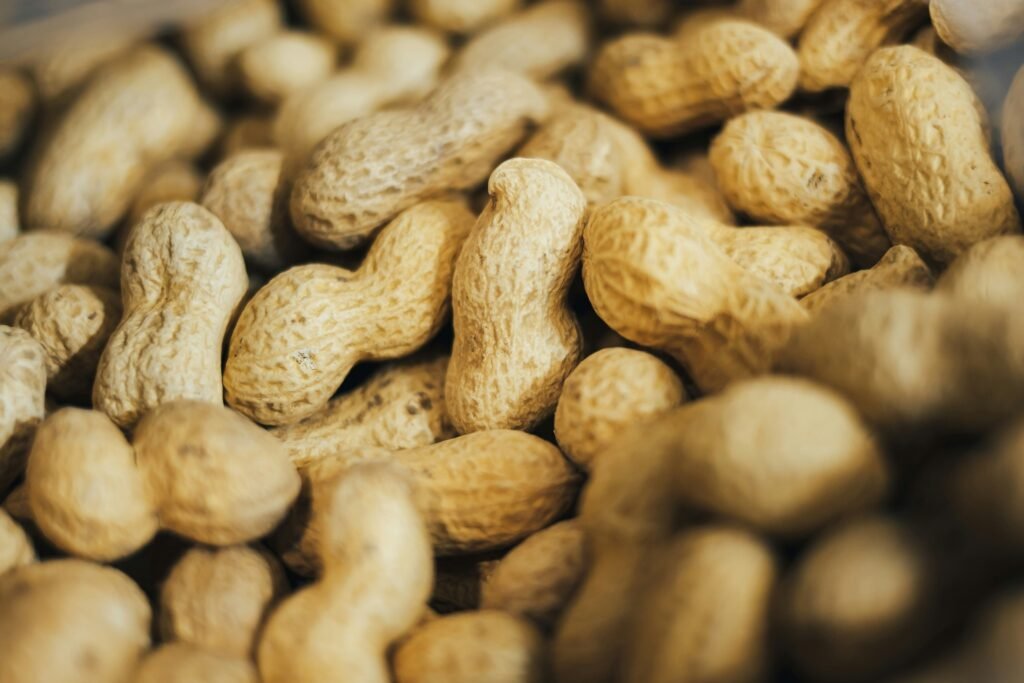
Peanut allergy can be harder to manage than many people first expect, because peanut is not only found in peanut butter, peanut snacks, and obvious peanut products. It can also appear in sauces, desserts, chocolate, snack bars, curries, baked goods, skincare products, medicines, and processed foods where it is easy to miss if you are rushing.
This guide explains where peanut may be hidden, which ingredients to watch for, and how to feel more confident checking food labels and everyday products.
Quick Things to Watch For
☐ Always read the full ingredients list
☐ Do not just look for the word “nut”
☐ Remember that peanut and tree nuts are different allergens
☐ Be extra careful with chocolate, desserts, sauces, curries, snack bars, and bakery products
☐ Check labels every time, even on familiar products
☐ Check sun creams, lip balms, moisturisers, medicines, and toiletries where relevant
☐ Watch for cross-contamination in cafés, bakeries, takeaways, restaurants, and shared kitchens
☐ When in doubt, leave it out
Why Peanut Can Be Hard to Avoid
Peanut is used in many everyday foods because it can add flavour, texture, protein, oil, or crunch.
Most people think first of:
- peanuts
- peanut butter
- peanut snacks
- peanut oil
- satay sauce
- peanut-based sweets
But peanut can also appear in foods and products that do not look especially “peanutty” at first glance, especially processed foods, desserts, sauces, snack bars, takeaway meals, skincare products, and medicines.
That is why managing a peanut allergy often means looking beyond the obvious.
1. Peanut Is Not Just in Peanut Butter
Peanut is commonly found in:
- peanut butter
- whole peanuts
- roasted peanuts
- salted peanuts
- dry roasted peanuts
- peanut snacks
- peanut brittle
- peanut cookies
- peanut sauce
- satay sauce
- peanut oil
But it can also appear in:
- chocolate
- biscuits
- cakes
- cereal bars
- protein bars
- desserts
- ice cream
- curries
- stir-fries
- sauces
- marinades
- salad dressings
- breakfast cereals
- bakery products
- ready meals
- takeaway food
- sun creams
- moisturisers
- lip balms
- some medicines
- some toiletries
This is why checking labels carefully matters so much.
2. Ingredient Names That May Mean Peanut
Peanut may be listed clearly, but it can also appear under ingredient names such as:
- peanut
- peanuts
- groundnut
- groundnuts
- monkey nut
- monkey nuts
- peanut flour
- peanut protein
- peanut butter
- peanut paste
- peanut oil
- groundnut oil
- arachis oil
- Arachis Hypogaea Oil
Some of these names are less familiar, but they may still matter for someone with a peanut allergy.
Always read the full ingredients list, not just the allergen box or front-of-pack claim.
3. Peanut and Tree Nuts Are Not the Same Thing
Peanuts are not the same as tree nuts.
Peanuts are legumes, while tree nuts include foods such as:
- almonds
- cashews
- walnuts
- hazelnuts
- pistachios
- pecans
- Brazil nuts
- macadamia nuts
However, peanut and tree nuts are often handled in the same places, especially in factories, bakeries, dessert shops, cafés, and food counters.
This means someone with a peanut allergy may still need to pay attention to warnings such as:
- may contain peanuts
- may contain nuts
- made in a factory that handles peanuts
- made in a factory that handles nuts
- not suitable for peanut allergy sufferers
If the wording is unclear, it is better to check with the manufacturer or choose something safer.
4. Chocolate, Sweets, and Desserts Need Extra Care
Peanut is common in sweet foods and treats, including:
- chocolate bars
- chocolate spreads
- boxed chocolates
- sweets
- biscuits
- cookies
- brownies
- cakes
- traybakes
- ice cream
- dessert sauces
- cheesecakes
- cereal bars
- protein bars
This can be especially tricky because even products that do not contain peanut as an ingredient may be made in places where peanuts are handled.
Always check both the ingredients list and any precautionary allergen warning.
5. Sauces, Curries, and Takeaway Food Can Be Tricky
Peanut is often used in sauces and savoury dishes, especially in some cuisines and takeaway meals.
Foods to be careful with include:
- satay sauce
- peanut sauce
- curries
- stir-fries
- noodle dishes
- rice dishes
- dipping sauces
- marinades
- salad dressings
- spice mixes
- soups
- stews
This can catch people out because the main food may seem safe, but the sauce, dressing, or marinade may contain peanut.
This is especially important when eating out or ordering takeaway, where ingredients and preparation areas may vary.
6. Bakery Products and Snacks May Contain Peanut
Peanut can appear in bakery and snack products, including:
- cakes
- biscuits
- cookies
- muffins
- pastries
- cereal bars
- flapjacks
- granola bars
- protein bars
- trail mix
- popcorn mixes
- snack mixes
- crackers
- breakfast cereals
Some products may contain peanut pieces, peanut flour, peanut butter, peanut paste, or peanut oil.
Others may carry a precautionary warning because they are made in an environment where peanuts are handled.
This is why it is important to check every product properly, even if it looks plain.
7. Peanut Oil and Arachis Oil Need Checking
Peanut oil may also be called:
- peanut oil
- groundnut oil
- arachis oil
- Arachis Hypogaea Oil
Peanut oil can be a confusing area.
Some guidance explains that highly refined peanut oil is processed differently from unrefined, cold-pressed, raw, or gourmet peanut oil. However, product labels and individual allergy advice can vary, and it is not always easy to know the level of risk from the front of the packaging alone.
For someone with a peanut allergy, it is safest to:
- check the ingredients list carefully
- look for peanut, groundnut, arachis oil, or Arachis Hypogaea Oil
- check any allergen information
- avoid unrefined, cold-pressed, raw, or gourmet peanut oil unless your allergy specialist has advised otherwise
- follow advice from your allergy specialist
- contact the manufacturer if you are unsure
Peanut oil can also appear in some non-food products or medicines, so it is worth checking ingredients where relevant.
8. Sun Creams, Skincare, Toiletries, and Medicines May Need Checking
Peanut is not only something to think about in food.
Peanut-derived ingredients may sometimes appear in non-food products, including:
- sun creams
- moisturisers
- lip balms
- shampoos
- conditioners
- massage oils
- baby creams
- ointments
- cosmetics
- some medicines
- some vitamin or supplement products
Ingredients to watch for may include:
- peanut oil
- groundnut oil
- arachis oil
- Arachis Hypogaea Oil
This can be confusing because skincare, cosmetic, and toiletry ingredients are not always written in the same clear way as food allergens. They may use scientific or Latin ingredient names, and allergens may not be highlighted in bold like they are on food labels.
It is worth checking products that go on or near:
- the lips
- the mouth
- the face
- the hands
- broken skin
- irritated skin
- eczema-prone skin
This does not mean every sun cream or moisturiser is a problem, but it does mean they are worth checking properly.
If you are unsure, contact the manufacturer, pharmacist, GP, or allergy specialist for advice.
9. “Nut-Free” and “May Contain Nuts” Labels Can Be Confusing
Peanut labelling can sometimes feel confusing because peanut and tree nuts are different allergens, but everyday language often groups them together as “nuts”.
A product might say:
- nut-free
- no nuts
- may contain nuts
- may contain peanuts
- may contain peanuts and nuts
- made in a factory that handles nuts
- made in a factory that handles peanuts
Do not assume that “nuts” always tells the full story.
For peanut allergy, look specifically for peanut, groundnut, monkey nut, arachis oil, and Arachis Hypogaea Oil, as well as any precautionary warning that mentions peanut.
10. Plant-Based and Free-From Foods Still Need Checking
Plant-based, vegan, dairy-free, gluten-free, or egg-free products may still contain peanut.
For example, peanut may appear in:
- vegan desserts
- plant-based protein bars
- dairy-free chocolate
- free-from biscuits
- gluten-free cakes
- vegan sauces
- meat-free ready meals
- protein snacks
A product may be free from one allergen but still contain peanut.
That is why the full label matters more than the front-of-pack claim.
11. Eating Out with a Peanut Allergy
Eating out with a peanut allergy often means being cautious with:
- satay dishes
- curries
- stir-fries
- noodle dishes
- rice dishes
- sauces
- marinades
- salad dressings
- desserts
- ice cream
- cakes
- bakery items
- buffets
- shared fryers
- shared woks
- shared utensils
Helpful questions to ask include:
- Does this contain peanut?
- Is peanut used in the sauce, dressing, marinade, or garnish?
- Is peanut oil or groundnut oil used?
- Is arachis oil used?
- Is this prepared near peanuts or nut products?
- Is there allergen information available?
- Could it have come into contact with peanut during preparation?
A simple-looking dish can still contain peanut in sauces, oils, toppings, or hidden ingredients.
12. Watch Out for Cross-Contamination
Peanut can also be a problem through cross-contamination, especially in:
- cafés
- bakeries
- dessert shops
- ice cream shops
- takeaway kitchens
- restaurants
- buffets
- food counters
- shared kitchens
- school kitchens
- party food tables
Cross-contamination can happen through:
- shared chopping boards
- shared utensils
- shared pans
- shared woks
- shared grills
- shared fryers
- shared scoops
- shared serving spoons
- crumbs or residue on surfaces
- hands or gloves used across different foods
Even when peanut is not an ingredient in the final dish, the preparation environment may still matter.
13. Peanut Allergy in Children
Peanut can be especially challenging for children because it may appear in everyday foods, treats, and sometimes non-food products used in daily life.
This may include:
- lunchbox snacks
- cereal bars
- biscuits
- chocolate
- birthday cake
- party food
- ice cream
- school meals
- takeaway food
- bakery treats
- shared classroom treats
- lip balms
- sun creams
- moisturisers
- creams used at school or nursery
It helps to keep:
- a list of trusted products
- safe packed lunch options
- safe party food ideas
- safe backup snacks
- trusted skincare and sun cream products
- clear notes for school or nursery
- a few treats your child actually enjoys
The easier the routine feels, the more confident everyone usually becomes.
14. Keep a Shortlist of Trusted Foods and Products
Many families and adults managing a peanut allergy find it helpful to keep a list of:
- trusted snacks
- safe chocolate options
- safe cereal bars
- lunchbox foods
- safe desserts
- easy meal staples
- safe takeaway options where available
- trusted sun creams
- trusted lip balms
- trusted moisturisers
- products that have worked well before
This can make shopping, packed lunches, parties, holidays, school days, and days out much easier.
Just remember: trusted products still need rechecking every time in case the recipe, ingredients, factory process, or packaging changes.
Quick Checklist
✅ Read the full ingredients list every time
✅ Looked beyond just the word “peanut”
✅ Watched for groundnut, monkey nut, peanut flour, peanut protein, peanut oil, arachis oil, and Arachis Hypogaea Oil
✅ Remembered that peanut and tree nuts are different allergens
✅ Checked chocolate, desserts, sauces, curries, snack bars, and bakery products carefully
✅ Checked sun creams, lip balms, moisturisers, medicines, and toiletries where relevant
✅ Considered cross-contamination where relevant
✅ Asked clear questions when eating out
✅ Used trusted foods and products without skipping label checks
✅ When in doubt, left it out
Final Thoughts
Peanut allergy can feel worrying because peanut may appear in foods and products you might not expect, especially sauces, desserts, snacks, takeaway meals, sun creams, lip balms, moisturisers, and some medicines. But once you know the common risk areas and ingredient names to look for, it becomes much easier to spot problems early.
The aim is not to make food feel complicated forever. It is to help you recognise hidden sources of peanut, make more confident choices, and reduce avoidable risk in daily life.
A careful label check is often the best protection.
Related Guides
- Food Labels Explained: How to Read Allergy Information Safely
- Free-From Foods: What They Really Mean
- Cross-Contamination Explained
- Hidden Sources of Tree Nuts
- Hidden Sources of Egg
- Hidden Sources of Wheat
Disclaimer: This guide is for general information only and should not replace medical advice. Always follow advice from your doctor, pharmacist, GP, or allergy specialist.