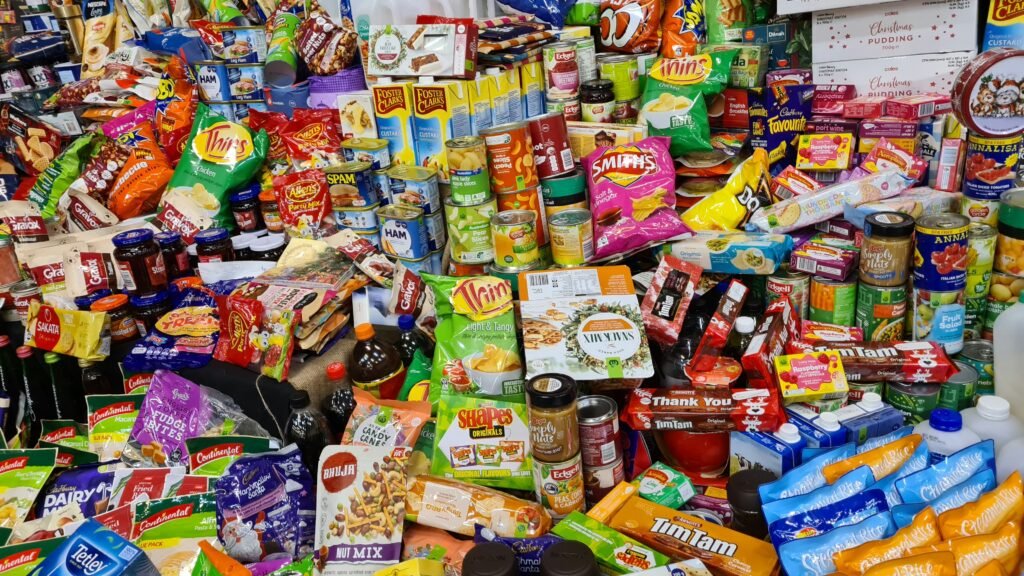
Snacks can be one of the hardest parts of living with allergies — not because they are always the biggest meals, but because they are often the most rushed. Snacks happen in lunchboxes, handbags, cars, parties, school runs, day trips, work drawers, and supermarket aisles when everyone is already hungry and impatient.
The good news is that safe snacking gets much easier once you have a few reliable options and a simple routine. This guide covers practical ways to think about safe snacks, reduce stress, and make everyday life feel more manageable.
Quick Things to Know
- Safe snacks are easier when you have trusted go-to options
- Labels still need checking every time
- Backup snacks can prevent rushed risky decisions
- Children often do best with familiar, repeat options
- Snacks for home, school, work, and travel may all need thinking about
- Simple is often safer and easier than trying to be too clever
Why Snacks Can Feel So Stressful
Main meals usually get more planning. Snacks often happen in the gaps:
- after school
- during travel
- between meetings
- at parties
- at playdates
- while out shopping
- during long days away from home
That makes them tricky, because allergy decisions are often made:
- quickly
- when people are hungry
- in noisy or distracting places
- with fewer obvious safe options
- under social pressure
The aim is not to make snacks a huge project. It is to make them easier to manage before hunger turns everything into a rushed decision.
1. Start with a Short List of Trusted Snacks
One of the easiest ways to reduce stress is to stop trying to reinvent snack time.
A shortlist of trusted snacks can make a huge difference.
That might include:
- cereal bars you know are safe
- crackers
- fruit
- safe crisps or savoury snacks
- yoghurt alternatives
- rice cakes
- safe biscuits
- simple homemade options if that suits you
You still need to check labels every time, but having reliable choices means you are not starting from scratch whenever someone gets hungry.
2. Labels Still Matter Every Time
Even if a snack has been safe before, always check it again.
This matters because:
- ingredients can change
- manufacturers can alter recipes
- packaging can look similar while the contents change
- allergy wording may be updated
- different multipacks or mini versions may not match the original
Snacks are often the foods people are most likely to grab quickly without checking properly.
That is exactly why a slow label check still matters.
3. Think About Snack Situations, Not Just Snack Foods
A useful way to plan snacks is to think about where they are needed.
For example:
- home snacks
- lunchbox snacks
- work snacks
- car snacks
- travel snacks
- school trip snacks
- party backup snacks
- emergency snacks for when nothing else feels safe
The best snack is not just one that is safe — it is one that works in the situation you actually need it for.
4. Children Often Need Familiar Snacks
For children, safe snacks often work best when they are:
- familiar
- easy to eat
- easy to recognise
- easy for other adults to identify as safe
- similar enough to what other children have
Children are often hungriest at the most inconvenient moments, which is why familiar, ready-to-go snacks help so much.
A child who is hungry and tired is much less likely to calmly accept a new “safe alternative” they have never wanted before.
5. Backup Snacks Can Prevent Risky Decisions
One of the biggest snack wins is simply having a backup snack with you.
This can help when:
- a café has nothing safe
- a party snack table feels uncertain
- the journey takes longer than planned
- school pickup runs late
- a child is suddenly hungry
- a work day becomes longer than expected
Backup snacks are not about assuming everything will go wrong. They are about avoiding the situation where hunger pushes you into guessing.
6. Snacks Need Planning for School and Childcare Too
If a child has allergies, snacks often need thinking through for:
- school
- nursery
- after-school clubs
- playdates
- childminders
- grandparents
- sports activities
It helps if:
- other adults know which snacks are safe
- lunchbox and snack choices are easy to recognise
- there is a short list of trusted options
- backup snacks are packed when needed
The less guesswork other adults have to do, the safer and smoother things usually feel.
7. Travel Snacks Need to Be Practical
Travel snacks often need to be:
- easy to pack
- easy to carry
- not too messy
- familiar
- okay to eat in the car, train, or airport
- available even when safe food is hard to find
This is where reliable go-to snacks are especially useful.
Travel is much easier when you do not have to rely on:
- motorway services
- airport food counters
- festival stalls
- theme park kiosks
- random convenience shops
Safe food in your own bag gives you options.
8. Social Situations Often Need a “Just in Case” Snack
Parties, weddings, playdates, and sleepovers can all create snack pressure.
A “just in case” snack can be useful if:
- buffet food feels unclear
- party bags are not suitable
- café snacks are risky
- other children are eating something your child cannot safely have
- hosts are unsure what is safe
This can make social situations feel much less stressful, especially for children who might otherwise feel left out or pressured.
9. Home Snack Routines Can Reduce Mental Load
At home, it can help to have:
- one cupboard or area with clearly safe snacks
- a few regular options always kept in stock
- a simple refill list
- easy choices for hungry moments
This reduces the constant mental load of:
- “What can they have now?”
- “Have we got anything safe in?”
- “Can I trust what’s left in the cupboard?”
A calm snack routine can make the whole house feel easier.
10. Simple Homemade Snacks Can Help Too
You do not have to rely only on packaged food.
Depending on your allergies and routine, helpful homemade snacks may include:
- fruit
- cut vegetables
- safe toast or wraps
- homemade muffins or bakes if you already have trusted recipes
- boiled pasta or rice pots for some children
- leftovers repurposed into easy snack portions
Packaged snacks are convenient, but they are not the only answer.
The best snacks are the ones that are safe, practical, and actually get eaten.
11. Safe Snacks Should Not Always Feel Second Best
This matters, especially for children.
If every safe snack feels like a disappointing backup, snack time can become emotionally loaded.
It helps to have at least a few snacks that feel:
- enjoyable
- normal
- familiar
- easy to include in outings and social situations
- something the child actually likes
Safety matters first — but inclusion and enjoyment still matter too.
12. Keep It Realistic
You do not need:
- dozens of options
- perfect variety
- a new snack every week
- snack prep worthy of social media
What usually helps most is:
- a few trusted products
- some easy homemade options if useful
- a backup snack in the bag
- a plan for school, travel, and social events
- labels checked carefully each time
Snack planning should reduce stress, not create more of it.
Quick Checklist
✅ Built a shortlist of trusted snacks
✅ Checked labels every time
✅ Thought about snacks for home, school, travel, and outings
✅ Packed backup snacks when needed
✅ Chosen options children actually like and will eat
✅ Made home snack routines simple and easy to manage
✅ Focused on practical choices rather than endless variety
Final Thoughts
Safe snacks can make everyday life with allergies much easier — not because they solve everything, but because they reduce the number of rushed, hungry, high-pressure moments where mistakes are most likely.
The aim is not to create a perfect snack system. It is to build a few reliable habits that keep safe food close at hand and make life feel calmer, simpler, and more manageable.
A good backup snack is often worth far more than people realise.
Related Guides
- Shopping with Allergies
- Packed Lunch Tips for Children with Allergies
- Allergy-Friendly Meal Planning
- Packing for Day Trips and Holidays with Allergies
Disclaimer: This guide is for general information only and should not replace medical advice. Always follow advice from your doctor or healthcare professional.