
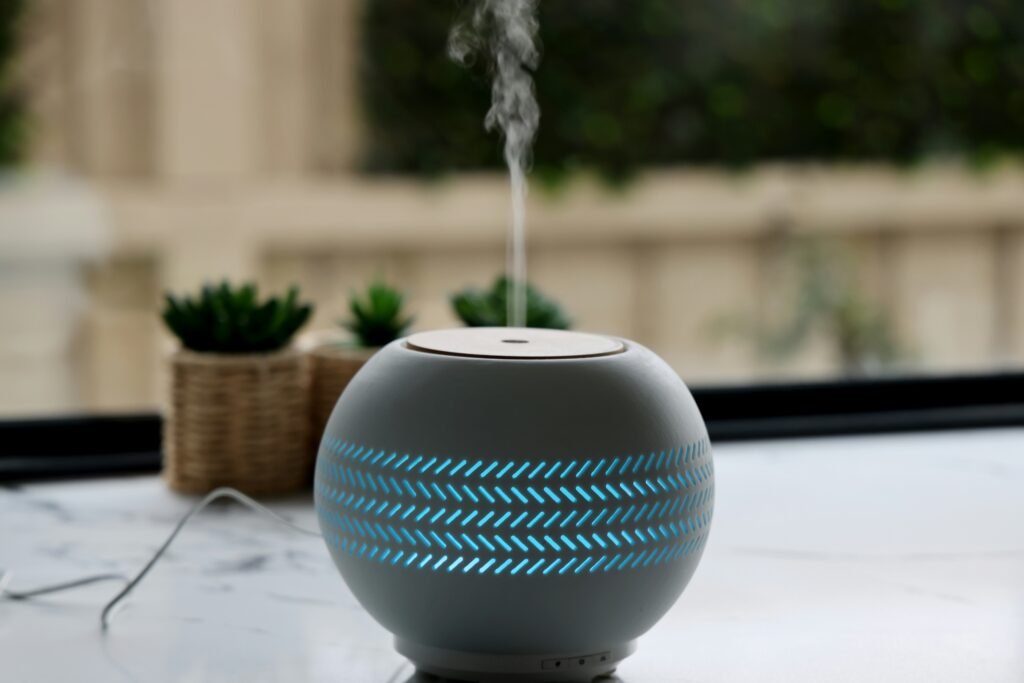
Air purifiers are often mentioned as a possible way to help with allergies, especially when symptoms are linked to pollen, dust, pet allergens, or indoor air that feels heavy and irritating. For some households, they can be a useful part of the picture. For others, they can sound like a magic fix that ends up disappointing.
This guide explains what air purifiers may help with, what they cannot do on their own, and how to think about them more realistically as part of an allergy-friendly home.
Quick Things to Know
- Air purifiers may help reduce some airborne allergens
- They are not a replacement for cleaning, ventilation, or medical advice
- Bedrooms are often the most useful place to start
- They may be more helpful for pollen, dust, and pet allergens in the air
- They do not solve every allergy problem on their own
- It helps to think of them as one tool, not the whole answer
Why People Look at Air Purifiers
When allergies are affecting sleep, breathing, or comfort at home, it is natural to look for practical solutions. Air purifiers can sound appealing because they seem like something active you can do rather than simply trying to avoid triggers.
People often start considering them when:
- pollen is affecting the home
- dust seems to be a problem
- pets are part of the household
- indoor air feels stuffy
- bedrooms seem to worsen symptoms
- someone has asthma alongside allergies
That interest makes sense. But it helps to understand what an air purifier can and cannot realistically do.
1. What Is an Air Purifier?
An air purifier is a device designed to filter particles from the air in a room.
Depending on the model, it may help reduce airborne particles such as:
- dust
- pollen
- pet allergens in the air
- some mould spores
- general indoor particles
Different models work in different ways, which is why people’s experiences can vary.
The key point is that air purifiers work on the air, not on bedding, carpets, mouldy walls, or dirty surfaces directly.
2. What Air Purifiers May Help With
Air purifiers may be most helpful when allergy symptoms are linked to particles that spend time airborne, such as:
- pollen brought in from outside
- dust disturbed in a room
- pet allergens circulating in the air
- some indoor particles that contribute to irritation
For some people, this may mean:
- a bedroom feels easier overnight
- mornings are less congested
- pollen-heavy days feel more manageable indoors
- a room with pets feels a little easier to tolerate
The effect is often about reducing overall burden, not creating a totally allergen-free space.
3. What Air Purifiers Do Not Solve on Their Own
This is really important.
Air purifiers do not replace:
- regular cleaning
- washing bedding
- tackling damp or mould properly
- keeping pets out of bedrooms if needed
- reducing clutter that traps dust
- medical advice or treatment
For example:
- if mould is growing on a wall, the wall still needs attention
- if bedding is full of dust mite allergens, bedding still matters
- if a room is full of heavy fragrance, the source still matters
- if symptoms are severe, an air purifier alone is not the answer
They can be useful, but they are not magic.
4. Bedrooms Are Often the Best Place to Start
If you are thinking about an air purifier, the bedroom is often the most sensible room to start with.
That is because:
- you spend many hours there
- symptoms may feel worse overnight
- pollen, dust, and pet allergens can affect sleep
- the room is often easier to control than larger open spaces
If mornings are the worst time of day, or if sleep is being affected, the bedroom is usually the best test area rather than trying to improve the whole house all at once.
5. Air Purifiers and Pollen
For people with pollen allergy, an air purifier may help reduce how much pollen stays circulating indoors, especially:
- during high-pollen periods
- when windows have been open
- when pollen is brought in on clothes, pets, or hair
- in bedrooms used overnight
That said, if pollen is constantly being brought indoors, other routines still matter too, such as:
- changing clothes after being outside
- washing your face or showering before bed
- thinking about when windows are open
- keeping bedding clean
The purifier may help, but it works best alongside sensible habits.
6. Air Purifiers and Dust
Air purifiers may help with dust that is airborne, especially after movement, cleaning, or general household activity.
But they do not remove the dust sitting on:
- shelves
- bedding
- carpets
- curtains
- soft furnishings
- under beds
So if dust mite allergy is part of the picture, regular cleaning and bedroom routines still matter just as much, if not more.
This is one of the main reasons air purifiers can disappoint people who expect them to fix everything on their own.
7. Air Purifiers and Pets
If pets are part of the home, an air purifier may help reduce some allergens floating in the air. But again, it will not remove what is already sitting on:
- sofas
- rugs
- bedding
- blankets
- clothing
- soft furnishings
So it can be a useful extra, particularly in a bedroom or main living room, but it is not a substitute for practical boundaries and cleaning routines if pet allergy is significant.
It is best seen as one part of a bigger approach.
8. Air Purifiers and Mould
Some people wonder whether an air purifier will solve mould-related problems.
It may help with some airborne particles in certain situations, but it does not solve:
- damp
- condensation
- visible mould growth
- poor ventilation
- leaks
- mould on walls, ceilings, or seals
If mould is part of the issue, the underlying moisture problem still needs dealing with.
So if you are looking at an air purifier for mould allergy, it should be viewed as a possible extra support — not the main fix.
9. Children and Air Purifiers
Some families consider air purifiers for:
- children with pollen allergy
- children with asthma and allergies
- children who seem worse at night
- children with pet or dust sensitivities
That can make sense, especially in a bedroom where routines are easier to manage.
But again, the most helpful setup is usually:
- a calm, uncluttered bedroom
- regular bedding changes
- attention to damp or dust
- simple practical routines
- an air purifier as an added support if it seems to help
Children do not need a “perfect” room. They need a room that is easier on their symptoms.
10. Think of It as Part of a Bigger Plan
An air purifier tends to make most sense when it sits alongside other realistic steps, such as:
- keeping bedrooms calmer and cleaner
- reducing clutter
- washing bedding regularly
- addressing damp properly
- watching pet access to bedrooms
- reducing indoor fragrance if that is a trigger
- paying attention to seasonal patterns
That is usually where people get the most value from it — as part of a sensible routine, not as a stand-alone solution.
11. Notice Whether It Actually Helps
If you do use one, pay attention to whether it seems to make a real difference.
Helpful things to notice may include:
- easier mornings
- less overnight congestion
- fewer itchy eyes in the bedroom
- sleep feeling slightly better
- less coughing in certain rooms
- symptoms easing during high-pollen times indoors
The goal is not to convince yourself it works because you bought it. It is to notice honestly whether it is helping enough to be worth it.
12. When Medical Advice Still Matters
If symptoms are:
- ongoing
- affecting sleep
- worsening asthma
- causing significant discomfort
- not improving despite home changes
then it is still worth speaking to a healthcare professional.
An air purifier may be useful in some homes, but it should not delay proper medical advice when symptoms are having a real impact.
Quick Checklist
✅ Thought about whether the symptoms are linked to airborne allergens
✅ Considered the bedroom as the best starting place
✅ Remembered that an air purifier is not a replacement for cleaning or ventilation
✅ Thought realistically about dust, pollen, pets, or mould
✅ Considered it as part of a bigger home routine
✅ Paid attention to whether it actually seems to help
✅ Sought advice if symptoms are ongoing or significant
Final Thoughts
Air purifiers can be useful for some people with allergies, especially when they are used in the right room and alongside sensible daily routines. But they are not a magic answer, and they work best when expectations are realistic.
The aim is not to buy one gadget and hope the problem disappears. It is to reduce airborne triggers where you reasonably can and make home feel a little easier on your symptoms.
Sometimes a small improvement in the right room can still be worthwhile.
Related Guides
- Reducing Allergens at Home
- Bedroom Allergy Tips
- Cleaning for an Allergy-Friendly Home
- Pollen Allergy / Hay Fever Guide
Disclaimer: This guide is for general information only and should not replace medical advice. Always follow advice from your doctor or healthcare professional.