
Cleaning can be one of the most helpful ways to reduce indoor allergy triggers — but it can also be one of the most frustrating. Dust gets stirred up, products can be strongly scented, and it is easy to feel like the house needs to be spotless to make any difference.
The good news is that allergy-friendly cleaning is not about creating a perfect home. It is about using practical routines to reduce common triggers like dust, pet allergens, mould, and fragrance so everyday life feels more comfortable.
This guide covers simple, realistic ways to make cleaning work better for an allergy-prone home.
Quick Things to Know
- Regular cleaning often helps more than occasional deep cleans
- Dust, damp, pets, and fragrance can all affect symptoms
- Bedrooms and soft furnishings are often good places to focus
- Cleaning can stir up allergens in the short term
- Scented products are not always the best choice for sensitive households
- Small routines are often more useful than big overhauls
Why Cleaning Matters for Allergies
Allergens do not just come from outside. Many common triggers build up indoors over time, including:
- dust
- dust mite allergens
- pet allergens
- mould
- pollen brought in from outdoors
- strong household fragrances
That means the way a home is cleaned can sometimes make a real difference to:
- congestion
- sneezing
- itchy eyes
- coughing
- sleep quality
- eczema or skin irritation
- asthma symptoms
The aim is not to clean obsessively. It is to reduce everyday build-up in the areas that matter most.
1. Focus on Regular, Realistic Cleaning
For allergy-prone homes, regular cleaning is often more helpful than doing a huge burst of cleaning once in a while.
That might mean:
- vacuuming little and often
- wiping surfaces regularly
- washing bedding on a routine
- staying on top of damp areas
- keeping clutter manageable
This tends to work better because it reduces the gradual build-up of allergens without turning cleaning into a stressful event every few weeks.
2. Start with the Rooms That Matter Most
You do not need to clean everything equally.
It often makes most sense to focus on:
- bedrooms
- the main living room
- children’s sleep spaces
- areas where pets spend lots of time
- bathrooms and kitchens if damp or mould is an issue
If mornings, sleep, or indoor breathing symptoms are a problem, bedrooms are often one of the best places to start.
3. Dust Gathers Where You Least Want It
Dust can settle on:
- shelves
- skirting boards
- bedside tables
- lamps
- blinds
- window ledges
- soft furnishings
- under beds
- behind furniture
Dust itself is not always the only problem — it can also carry allergens linked to dust mites, pollen, pets, and general household life.
Wiping surfaces regularly and reducing clutter can make a noticeable difference over time.
4. Cleaning Can Stir Allergens Up at First
One frustrating thing about cleaning is that it can briefly make symptoms feel worse, especially if:
- dust is disturbed
- vacuuming kicks particles into the air
- mould is being cleaned
- strong products are used
- windows are shut and airflow is poor
That does not mean cleaning is a bad idea. It simply means some people may notice symptoms during or just after cleaning before things settle again.
This can be a sign that indoor allergens were part of the problem in the first place.
5. Bedding and Soft Furnishings Need Regular Attention
Some of the most important cleaning jobs in an allergy-prone home are not the obvious ones.
Helpful routines may include:
- washing bedding regularly
- changing pillowcases often
- vacuuming rugs or carpets if helpful
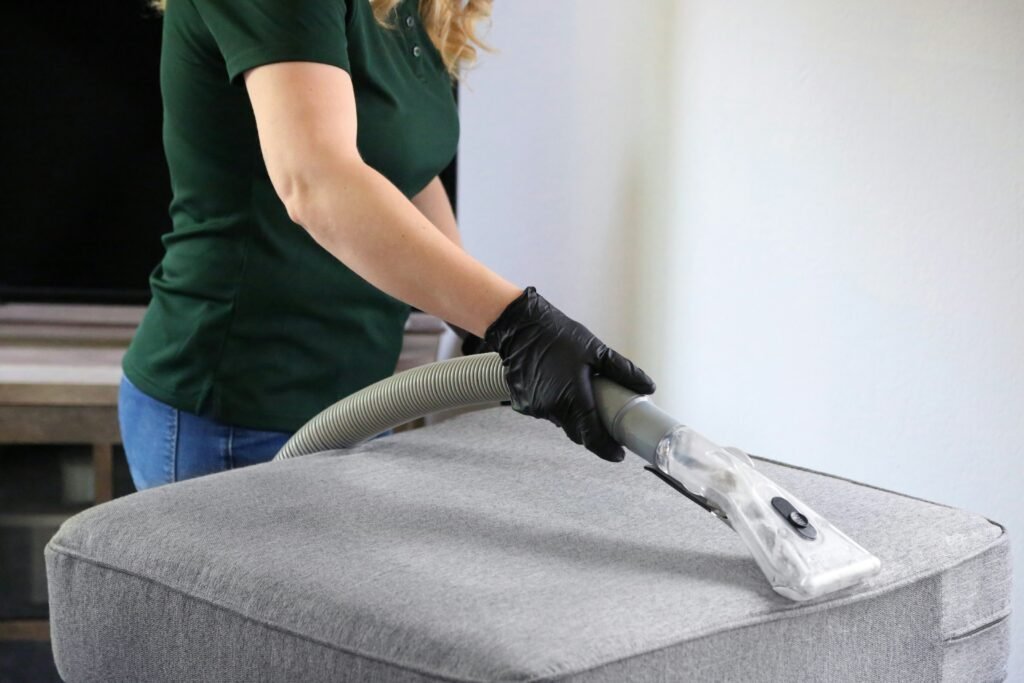
- cleaning sofas and cushions
- washing throws and blankets
- keeping soft toys to a manageable level in children’s rooms
Soft furnishings can hold onto dust, pet allergens, pollen, and general household build-up more than hard surfaces do.
6. Fragrance Is Not Always Your Friend
A home can smell “fresh” and still be harder on allergies.
Some people find that strongly scented products make symptoms worse, including:
- air fresheners
- diffusers
- scented candles
- strong cleaning sprays
- fragranced floor cleaners
- heavily scented laundry products
If headaches, coughing, throat irritation, or skin flare-ups seem worse after cleaning, it may be worth looking at whether fragrance is part of the problem.
Often, a simpler product routine feels better than a heavily scented one.
7. Kitchens and Bathrooms Need Watching for Damp and Mould
Cleaning is not just about dust. Moisture matters too.
Bathrooms and kitchens are common areas for:
- condensation
- mould
- damp patches
- musty smells
- black marks around seals or windows
Helpful habits may include:
- wiping condensation away
- using extractor fans
- opening windows when practical
- cleaning damp-prone spots regularly
- dealing with leaks promptly
If mould keeps returning, the underlying damp or ventilation issue may need attention too.
8. Pet Areas Need Extra Thought
If pets are part of the home, their favourite areas often need a little extra cleaning attention.
This may include:
- pet bedding
- sofas
- rugs
- blankets
- car seats
- corners where hair gathers
- rooms where the pet spends most of its time
This is not about trying to erase every trace of the animal. It is about noticing where allergens collect and reducing them where it is most helpful.
Bedrooms in particular are often worth keeping calmer and more protected from pet build-up.
9. Clutter Makes Cleaning Harder
It is much harder to reduce allergens in rooms that are packed with:
- piles of clothes
- too many ornaments
- stacks of paper
- excess soft toys
- fabric-heavy furnishings
- items stored on the floor
Clutter is not a moral failing — it just gives dust and allergens more places to settle.
A slightly simpler room is usually easier to clean and easier on symptoms too.
10. Children Need a Home That Feels Safe, Not Clinical
If you are trying to clean in a way that helps a child with allergies, it helps to stay practical.
That might mean:
- washing favourite bedding and toys regularly
- keeping bedrooms simpler
- avoiding strong sprays and fragrances
- focusing on comfort as well as symptom reduction
Children do not need a house that feels harsh or sterile. They need one that feels livable, calm, and easier on their symptoms.
11. Notice What Actually Helps
It can help to pay attention to:
- whether symptoms are better after fresh bedding
- whether mornings feel easier
- whether a child coughs less at night
- whether certain rooms trigger more sneezing
- whether symptoms worsen during cleaning because dust is being disturbed
- whether a simpler cleaning product routine helps
This helps you focus on what is genuinely useful rather than just doing more and more without a clear benefit.
12. You Do Not Need To Do Everything at Once
This is important.
Trying to create the “perfect” allergy-friendly home overnight usually leads to stress and burnout.
It is often better to ask:
- Which room is the biggest problem?
- Which trigger seems most likely?
- What one or two changes are realistic this week?
- What cleaning habits can we actually keep up?
Consistency usually matters more than intensity.
When to Seek More Advice
It may be worth speaking to a healthcare professional if:
- symptoms are ongoing despite home changes
- asthma feels worse indoors
- sleep is regularly affected
- eczema flare-ups remain difficult to manage
- mould or damp keeps returning
- you are unsure which home trigger is having the biggest impact
Cleaning can help, but sometimes medical advice or housing-related support may also be important.
Quick Checklist
✅ Focused on the rooms that matter most
✅ Stayed regular rather than trying to deep clean everything at once
✅ Thought about bedding, soft furnishings, and dust build-up
✅ Considered fragrance as a possible trigger
✅ Paid attention to bathrooms, kitchens, and damp-prone areas
✅ Looked at pet-heavy areas if relevant
✅ Chosen practical routines that feel realistic to maintain
Final Thoughts
Cleaning for an allergy-friendly home is not about perfection. It is about reducing the everyday triggers that quietly build up and make symptoms harder to manage.
The best routines are usually the ones you can actually keep going: a bit of regular cleaning, a calmer approach to fragrance, attention to bedrooms and damp areas, and a focus on what genuinely helps.
Small practical habits often make the biggest difference.
Related Guides
Disclaimer: This guide is for general information only and should not replace medical advice. Always follow advice from your doctor or healthcare professional.