
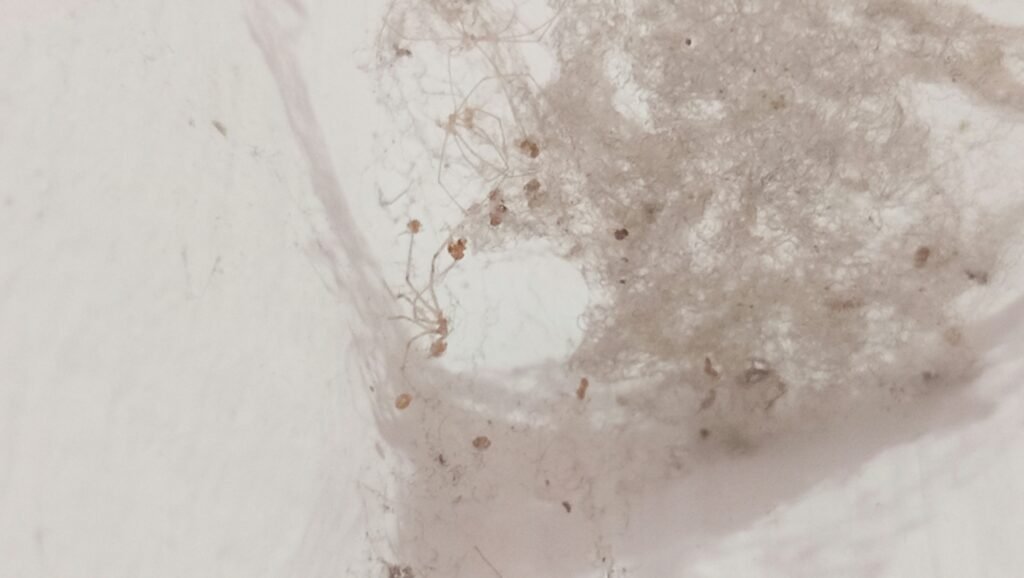
Dust mite allergy is one of the most common indoor allergies, and it can be especially frustrating because the trigger is not always obvious. Unlike pollen, which often feels seasonal, dust mites can affect people all year round and may have the biggest impact in the places where you are meant to rest and feel comfortable most — especially bedrooms and soft furnishings.
This guide explains what dust mite allergy is, common symptoms to look out for, and practical ways to reduce exposure at home.
Quick Things to Know
- Dust mite allergy is usually an indoor allergy
- Symptoms can happen all year round
- Bedrooms are often the biggest problem area
- Soft furnishings can collect dust mite allergens
- Symptoms may affect the nose, eyes, skin, and breathing
- Small home changes can make a real difference over time
Why Dust Mite Allergy Can Be Hard to Spot
Dust mite allergy can be easy to overlook because the trigger is not something you can see in the same way as mould or pet hair. People sometimes assume they just have a lingering cold, poor sleep, or “general allergies” without realising that indoor exposure may be playing a big part.
It can be especially draining because symptoms may:
- happen first thing in the morning
- feel worse at night
- continue through the year
- affect sleep and energy levels
- overlap with asthma, eczema, or other allergies
The good news is that once you understand the likely trigger, there are practical steps that can help.
1. What Is a Dust Mite Allergy?
Dust mites are tiny creatures that live in household dust, especially in warm, humid places such as bedding, mattresses, carpets, upholstered furniture, and soft toys.
It is not usually the dust mites themselves that cause the allergy, but the allergens linked to them.
Because they are most commonly found indoors, symptoms may continue regardless of the season and may feel especially noticeable in bedrooms and living areas.
2. Common Symptoms of Dust Mite Allergy
Dust mite allergy symptoms can include:
- sneezing
- a blocked or runny nose
- itchy nose
- itchy or watery eyes
- coughing
- post-nasal drip
- disturbed sleep
- wheezing in some people
- worsened asthma symptoms
- eczema flare-ups in some cases
Some people mainly notice nasal symptoms. Others feel as though they are always congested or wake up feeling worse in the morning.
3. Why Bedrooms Are Often the Biggest Trigger Area
Bedrooms are one of the most common places for dust mite exposure because they often contain:
- mattresses
- pillows
- duvets
- blankets
- curtains
- carpets
- soft toys
- upholstered headboards
You also spend a lot of time there, which means even low-level ongoing exposure can add up.
If dust mite allergy is affecting sleep, mornings, or overnight breathing, the bedroom is often the best place to focus first.
4. Symptoms Can Feel Worse First Thing in the Morning
A lot of people with dust mite allergy notice that symptoms are worse:
- when they wake up
- after making the bed
- when changing bedding
- when cleaning
- after being in dusty rooms
- when lying on soft furnishings for a long time
This pattern can be a useful clue. If symptoms seem strongest after time in bed or around household dust, it may point towards dust mites or another indoor allergen being part of the picture.
5. Soft Furnishings Can Hold Onto Allergens
Dust mite allergens often build up in places like:
- mattresses
- pillows
- duvets
- rugs
- carpets
- sofas
- cushions
- fabric blinds
- soft toys
That does not mean you need to strip your home bare. But it does mean that soft, warm, fabric-heavy spaces can be the areas where symptoms feel worse.
This is one reason reducing clutter and keeping sleeping areas simpler can sometimes help.
6. Helpful Bedroom Changes
If dust mite allergy is affecting sleep or morning symptoms, the bedroom is usually the best place to start.
Helpful changes may include:
- washing bedding regularly
- keeping the bedroom clean and uncluttered
- reducing heavy fabrics where practical
- vacuuming regularly if that is helpful
- keeping soft toys to a manageable number
- washing or cleaning soft toys regularly if needed
- thinking about whether carpets, rugs, or fabric-heavy furnishings are making symptoms worse
You do not have to do everything at once. Even a few realistic changes can help.
7. Cleaning Habits Can Matter
Cleaning can help reduce indoor allergens, but it can also stir dust up in the moment.
Helpful routines may include:
- vacuuming regularly
- dusting surfaces carefully
- washing bedding often
- paying extra attention to the bedroom
- reducing clutter that collects dust
- cleaning soft furnishings where possible
Some people notice that symptoms flare while cleaning and settle afterwards. That can still be a clue that indoor allergens are playing a role.
The aim is not to clean obsessively. It is to create a home environment that feels easier on your symptoms.
8. Dust Mite Allergy and Asthma
Dust mite allergy can sometimes worsen breathing symptoms such as:
- coughing
- wheezing
- chest tightness
- shortness of breath
If indoor dust seems to trigger asthma symptoms, this should be taken seriously.
An allergy that mainly shows up as sneezing for one person may show up as asthma symptoms in another. If breathing is affected, it is worth discussing with a healthcare professional rather than just trying to manage it on your own.
9. Dust Mite Allergy and Skin Symptoms
For some people, especially children, dust mite allergy may also seem to overlap with eczema or sensitive skin.
This does not mean every eczema flare is caused by dust mites, but it can be part of the bigger picture in some households.
If you are dealing with:
- eczema
- itching at night
- skin irritation alongside nasal symptoms
- sleep disruption with skin flare-ups
it may be worth looking at the bedroom environment and speaking to a healthcare professional if needed.
10. Children and Dust Mite Allergy
Children may not always describe their symptoms clearly, but possible signs can include:
- rubbing the nose often
- mouth breathing
- disturbed sleep
- coughing at night
- waking congested
- watery eyes
- eczema that seems worse in bed or indoors
- seeming tired during the day
If symptoms are affecting sleep, concentration, comfort, or breathing, it is worth paying attention.
Children spend a lot of time sleeping, playing on soft surfaces, and being close to bedding, which is why dust mite exposure can sometimes affect them quite strongly.
11. When to Seek Medical Advice
It may be worth speaking to a healthcare professional if:
- symptoms are ongoing through the year
- sleep is being affected
- breathing symptoms are involved
- asthma seems worse indoors
- symptoms are affecting school, work, or daily life
- you are unsure whether dust mites are the likely trigger
The aim is not to label every dusty room as a medical issue. It is to get proper support when indoor allergy symptoms are having a genuine impact.
Quick Checklist
✅ Noticed whether symptoms are worse indoors or in bed
✅ Thought about the bedroom as a main trigger area
✅ Considered bedding, carpets, and soft furnishings
✅ Tried a few simple cleaning or bedroom changes
✅ Watched for sleep disruption or breathing symptoms
✅ Thought about eczema or skin overlap where relevant
✅ Sought advice if symptoms are ongoing or affecting daily life
Final Thoughts
Dust mite allergy can feel frustrating because it is invisible, persistent, and often strongest in the places where you most want to feel comfortable. But once you recognise the pattern, it often becomes easier to make small changes that genuinely help.
The aim is not to create a perfect allergen-free home. It is to reduce everyday exposure where you reasonably can and make life feel more manageable, more comfortable, and less tiring over time.
Practical changes in the right places can make a real difference.
Related Guides
- Bedroom Allergy Tips
- Cleaning for an Allergy-Friendly Home
- Reducing Allergens at Home
- Eczema and Allergies
Disclaimer: This guide is for general information only and should not replace medical advice. Always follow advice from your doctor or healthcare professional.