
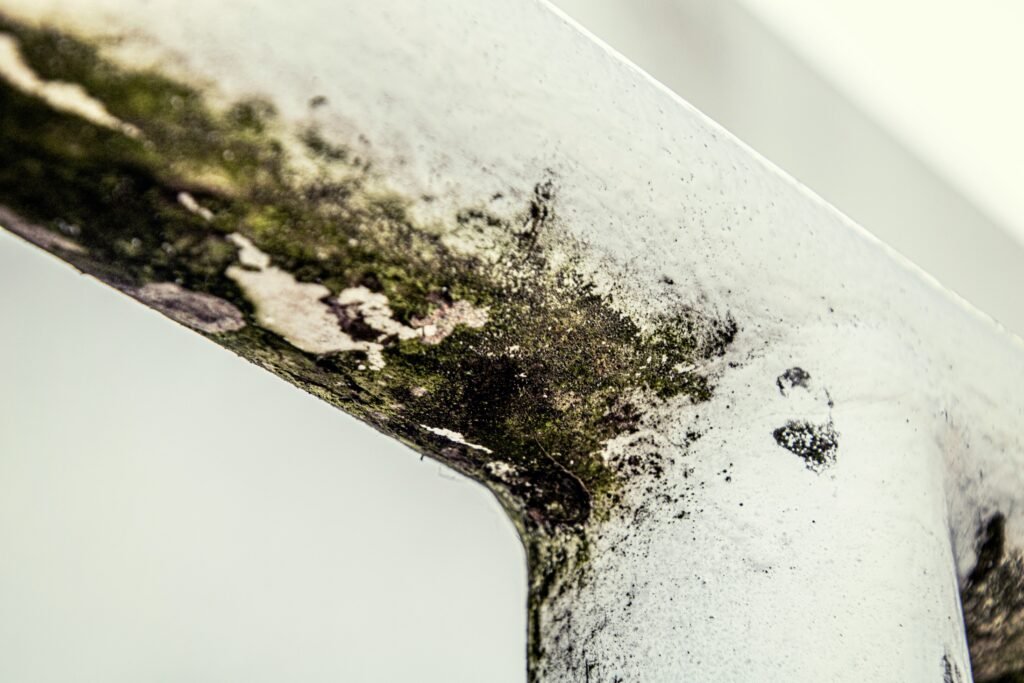
Mould allergy can be an especially frustrating environmental allergy because the trigger is often hidden in the places you spend the most time — at home, at work, or in damp indoor spaces. Unlike seasonal pollen, mould can be a year-round problem, and symptoms may feel worse in certain rooms or buildings rather than at a particular time of year.
This guide explains what mould allergy is, common symptoms to look out for, and practical ways to reduce exposure and feel more comfortable day to day.
Quick Things to Know
- Mould allergy is usually linked to damp indoor environments
- Symptoms can happen all year round
- Bathrooms, kitchens, windows, and poorly ventilated rooms can be problem areas
- Symptoms may affect the nose, eyes, skin, and breathing
- Damp and condensation can make exposure worse
- Reducing moisture indoors can often help
Why Mould Allergy Can Feel Hard to Pin Down
Mould allergy can be tricky because it does not always feel as obvious as other allergy triggers. Some people only notice symptoms in certain rooms, buildings, or seasons. Others feel worse at home but do not realise the environment may be part of the problem.
It can be especially draining because symptoms may:
- feel worse indoors
- overlap with colds or general “allergy” symptoms
- affect sleep and comfort
- worsen asthma or breathing issues
- keep returning if damp problems are not addressed
The good news is that once mould is on your radar as a possible trigger, the pattern often starts to make more sense.
1. What Is a Mould Allergy?
A mould allergy happens when the immune system reacts to mould spores in the air.
Mould grows best in damp environments and can appear in places such as:
- bathrooms
- kitchens
- around windows
- walls with damp patches
- ceilings
- behind furniture
- basements
- cupboards
- poorly ventilated rooms
Because mould releases tiny spores, you do not have to touch visible mould directly to be affected by it.
2. Common Symptoms of Mould Allergy
Mould allergy symptoms can include:
- sneezing
- a blocked or runny nose
- itchy nose
- watery or irritated eyes
- coughing
- throat irritation
- wheezing in some people
- chest tightness
- worsened asthma symptoms
- skin irritation in some cases
Some people notice that symptoms improve when they leave the environment and return again when they come back. That can be a useful clue.
3. Mould Can Be Worse in Damp or Poorly Ventilated Spaces
Mould problems are often linked with:
- condensation
- damp walls
- poor ventilation
- leaks
- drying washing indoors without enough airflow
- rooms with little natural light or airflow
This means symptoms may feel worse in certain parts of the home or building, such as:
- bathrooms
- utility rooms
- bedrooms with condensation on windows
- kitchens
- loft rooms
- older or poorly ventilated properties
The environment matters a lot with mould allergy.
4. Visible Mould Is Not the Only Sign
Sometimes mould is obvious, but not always.
You might not see large patches of mould, but signs that suggest a damp or mould issue may include:
- condensation on windows
- a musty smell
- peeling wallpaper or paint
- dark patches near window frames
- damp corners
- mould around seals or tiles
- persistent dampness in certain rooms
Even when mould is not dramatic or widespread, it can still be enough to affect someone who is sensitive to it.
5. Bathrooms and Kitchens Are Common Problem Areas
Bathrooms and kitchens often create the perfect conditions for mould because they regularly deal with steam, warmth, and moisture.
Helpful things to look out for include:
- mould around tiles or grout
- black marks around windows
- mould near sinks or baths
- poor extractor fan use
- damp behind cupboards or appliances
Regular ventilation and moisture control can make a noticeable difference in these areas.
6. Bedrooms Can Be Affected Too
Bedrooms are worth paying attention to, especially if you notice:
- condensation on windows in the morning
- a musty smell
- symptoms that feel worse overnight
- coughing or congestion first thing
- mould behind furniture placed against cold walls
Because you spend so many hours sleeping there, even low-level mould exposure can feel more significant over time.
Improving airflow, reducing condensation, and checking hidden areas can be helpful.
7. Mould Allergy and Asthma
Mould can be especially important to notice if asthma or breathing symptoms are part of the picture.
Possible signs include:
- coughing indoors
- wheezing
- chest tightness
- shortness of breath
- symptoms that worsen in damp buildings
If mould seems to make breathing symptoms worse, it is worth taking seriously. Breathing-related symptoms should not be brushed off as “just allergies” without proper medical advice.
8. Practical Ways to Reduce Mould Exposure
Helpful steps may include:
- opening windows when practical to improve airflow
- using extractor fans in kitchens and bathrooms
- wiping away condensation from windows
- avoiding leaving damp towels or fabrics sitting around
- drying washing in well-ventilated areas
- moving furniture slightly away from cold walls if needed
- dealing with leaks or damp problems promptly
- cleaning visible mould safely where appropriate
The aim is not to create a perfect home overnight. It is to reduce the conditions that allow mould to keep returning.
9. Children and Mould Allergy
Children may not always describe mould-related symptoms clearly, but possible signs can include:
- sneezing or congestion that seems worse indoors
- watery eyes
- coughing at night
- disturbed sleep
- wheezing
- seeming worse in certain rooms or buildings
If a child seems to have ongoing allergy-like symptoms, especially in a damp home or room, it is worth paying attention to the environment as part of the bigger picture.
10. When to Seek Medical Advice
It may be worth speaking to a healthcare professional if:
- symptoms are ongoing indoors
- sleep is being affected
- breathing symptoms are involved
- asthma seems worse in damp environments
- a child is coughing or wheezing regularly
- you are unsure whether mould may be the trigger
It may also be worth seeking practical housing or building advice if damp and mould problems are persistent, especially if they are affecting health.
Quick Checklist
✅ Noticed whether symptoms are worse in damp or musty spaces
✅ Looked for signs of condensation, damp, or visible mould
✅ Thought about bathrooms, kitchens, and bedrooms
✅ Tried simple steps to improve ventilation and reduce moisture
✅ Watched for breathing symptoms or asthma flare-ups
✅ Considered whether children may be affected too
✅ Sought advice if symptoms are ongoing or significant
Final Thoughts
Mould allergy can be difficult because the trigger is often linked to the spaces you live in rather than something you can simply stop eating or avoid once. But recognising the pattern is a strong first step.
The aim is not to feel anxious about every patch of condensation. It is to notice the environmental signs that matter, reduce avoidable exposure where you can, and make everyday spaces feel healthier and more comfortable over time.
Small practical changes can go a long way.
Related Guides
- Reducing Allergens at Home
- Bedroom Allergy Tips
- Cleaning for an Allergy-Friendly Home
- Common Allergy Symptoms Explained
Disclaimer: This guide is for general information only and should not replace medical advice. Always follow advice from your doctor or healthcare professional.