
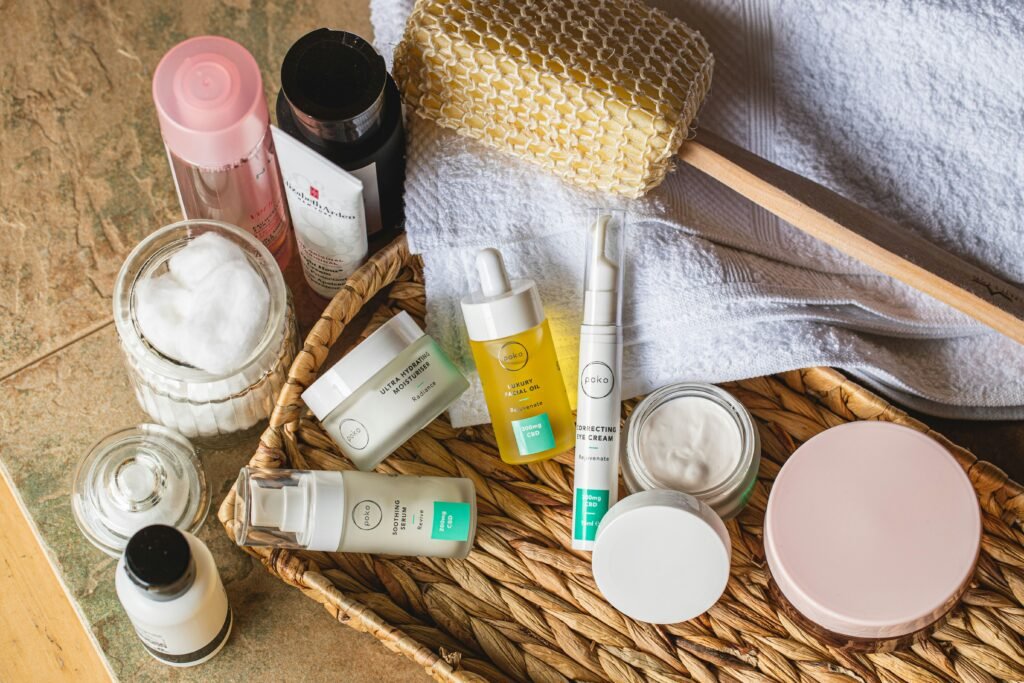
Choosing skincare can feel overwhelming when you or your child has allergies, eczema, contact dermatitis, or generally sensitive skin. Products that sound gentle, nourishing, or “natural” do not always suit reactive skin, and it can be frustrating when something meant to help ends up making things worse.
The good news is that allergy-friendly skincare does not have to be complicated. This guide explains what to look for, what to be cautious with, and how to build a simpler routine that is kinder to sensitive skin.
Quick Things to Know
- Simpler routines are often easier on sensitive skin
- Fragrance is a common trigger for irritation or allergy
- “Natural” does not always mean gentler
- The fewer unnecessary ingredients, the easier products are to tolerate
- Patchy, sore, or itchy skin may react differently from healthy skin
- Consistency often helps more than constantly changing products
Why Skincare Can Feel So Confusing
Skincare products are often marketed as soothing, calming, pure, sensitive, or dermatologically tested — but those words do not always tell you how your skin will actually react.
That can be confusing because:
- products that sound gentle may still sting
- fragranced products can irritate already-sensitive skin
- “natural” ingredients can still trigger reactions
- trying lots of new products makes it harder to spot the real problem
If skin is already inflamed or vulnerable, it often needs less experimentation, not more.
1. Start with What Your Skin Actually Needs
When skin is allergy-prone or reactive, the goal is usually not to create a complicated skincare routine. It is to support the skin barrier and reduce irritation.
That often means focusing on:
- gentle cleansing
- simple moisturising
- reducing known triggers
- avoiding unnecessary extras
If the skin is already dry, itchy, or inflamed, a very busy routine can sometimes make things harder rather than better.
2. Fragrance Is One of the Biggest Things to Watch
Fragrance is one of the most common reasons skincare can cause problems.
This includes:
- added perfume
- essential oils
- scented botanical ingredients
- heavily fragranced creams and washes
Fragrance can be especially difficult for:
- eczema-prone skin
- contact dermatitis
- dry or cracked skin
- skin around the face and eyelids
- children’s skin
For many people, one of the simplest ways to make skincare easier on the skin is to choose fragrance-free products where possible.
3. “Natural” and “Gentle” Are Not Guarantees
A product can sound soft and wholesome but still trigger irritation.
Words like:
- natural
- botanical
- plant-based
- pure
- essential oil
- aromatherapy
do not automatically mean the product will be better for reactive skin.
In some cases, “natural” scented ingredients may still irritate the skin or trigger allergic contact dermatitis. That is why the way a product is marketed matters less than how your skin actually responds to it.
4. The Simpler the Formula, the Easier It Often Is to Judge
When skin is reacting, one useful principle is:
fewer variables usually makes life easier.
If a product contains a very long list of active ingredients, scents, extracts, or added extras, it can be harder to know what is helping and what is not.
Simpler products are often easier because:
- they are less busy
- they give the skin less to react to
- they make it easier to spot patterns
- they fit better into steady, repeatable routines
This does not mean every simple product is automatically perfect. It just means simpler often gives you a better starting point.
5. Think About the Whole Routine, Not Just One Product
Sometimes the issue is not one “bad” product, but the build-up of several products at once.
For example, skin may be dealing with:
- fragranced cleanser
- scented moisturiser
- shampoo residue
- laundry fragrance on pillowcases
- body wash
- hand soap
- sunscreen
- makeup or remover
Each one on its own may seem small, but together they can create a lot of exposure.
That is why it often helps to step back and look at the whole skin routine rather than just one product in isolation.
6. Face, Hands, and Eyelids Often Need Extra Care
Certain parts of the body are more likely to react because the skin is thinner, more exposed, or washed more often.
This includes:
- face
- eyelids
- lips area
- neck
- hands
These areas often need extra caution with:
- fragranced face products
- makeup
- cleansers
- hand soap
- hand cream
- sunscreen
- haircare that runs onto the face or neck
If one of these areas keeps flaring, it can help to think about everything touching that part of the skin.
7. Children Often Do Better with Very Simple Routines
Children’s skin can be especially reactive, especially if eczema or sensitive skin is already part of the picture.
A child’s skincare routine usually does not need lots of:
- scented washes
- fun foaming extras
- strongly fragranced lotions
- complicated “pamper” products
A simpler approach often works better:
- gentle washing
- straightforward moisturising
- keeping products consistent
- noticing if something clearly seems to worsen the skin
The goal is comfort, not a spa routine.
8. Patchy, Inflamed, or Broken Skin May React More Easily
Skin that is already sore, cracked, or inflamed may react to products that would not usually be a problem on healthy skin.
That means:
- even mild products may sting
- fragrance may feel worse than usual
- frequent switching can be harder on the skin
- applying lots of new products at once may muddy the picture
When the skin barrier is struggling, kinder routines tend to help more than ambitious ones.
9. Notice Patterns, Not Just Promises
Helpful questions to ask include:
- Does the skin sting after this product?
- Does the rash keep appearing in the same place?
- Has anything changed recently?
- Is the skin calmer when fewer products are used?
- Are flare-ups linked to washing, moisturising, or specific routines?
- Is the issue on the face, hands, neck, or eyelids where products are used most?
Your skin’s pattern is usually more useful than a label promise on the bottle.
10. Changing Everything at Once Can Make Things Harder
When skin is flaring, it can be tempting to throw out everything and start all over again. But changing too much at once can make it harder to see what is actually helping.
A calmer approach is often:
- simplify first
- keep routines steady
- change one thing at a time if needed
- give the skin a bit of time to settle
- notice what genuinely improves comfort
That tends to be more useful than constantly chasing the “perfect” product.
11. Skincare Is Only One Part of the Picture
Even the best skincare routine will struggle if other triggers are still active, such as:
- hot showers
- fragrance in laundry products
- harsh soaps
- wool or rough fabrics
- sweating
- dust or pet exposure if relevant
- repeated rubbing or scratching
That is why skincare works best as part of a wider skin-friendly routine rather than a stand-alone fix.
12. When to Seek More Advice
It may be worth speaking to a healthcare professional if:
- skin keeps reacting despite a simple routine
- the rash is sore, cracked, or infected
- the face or eyelids are repeatedly involved
- you suspect contact allergy
- a child is very uncomfortable
- you are unsure whether the issue is eczema, dermatitis, allergy, or irritation
You do not have to figure it all out alone if the pattern is persistent or confusing.
Quick Checklist
✅ Looked for simpler, fragrance-free options where possible
✅ Remembered that natural does not always mean gentler
✅ Thought about the full routine, not just one product
✅ Paid extra attention to face, hands, and eyelids
✅ Avoided changing everything at once
✅ Noticed what the skin actually seems to tolerate
✅ Sought advice if the skin reaction is ongoing or significant
Final Thoughts
Choosing allergy-friendly skincare is often less about finding one magical product and more about making the routine calmer, simpler, and easier on the skin overall.
The aim is not perfection. It is to reduce unnecessary triggers, support the skin barrier, and make day-to-day care feel more manageable.
Often, the kindest routine is the least complicated one.
Related Guides
- Fragrance Allergy Guide
- Contact Dermatitis Explained
- Eczema and Allergies
- Bath Time Tips for Sensitive Skin
Disclaimer: This guide is for general information only and should not replace medical advice. Always follow advice from your doctor or healthcare professional.