
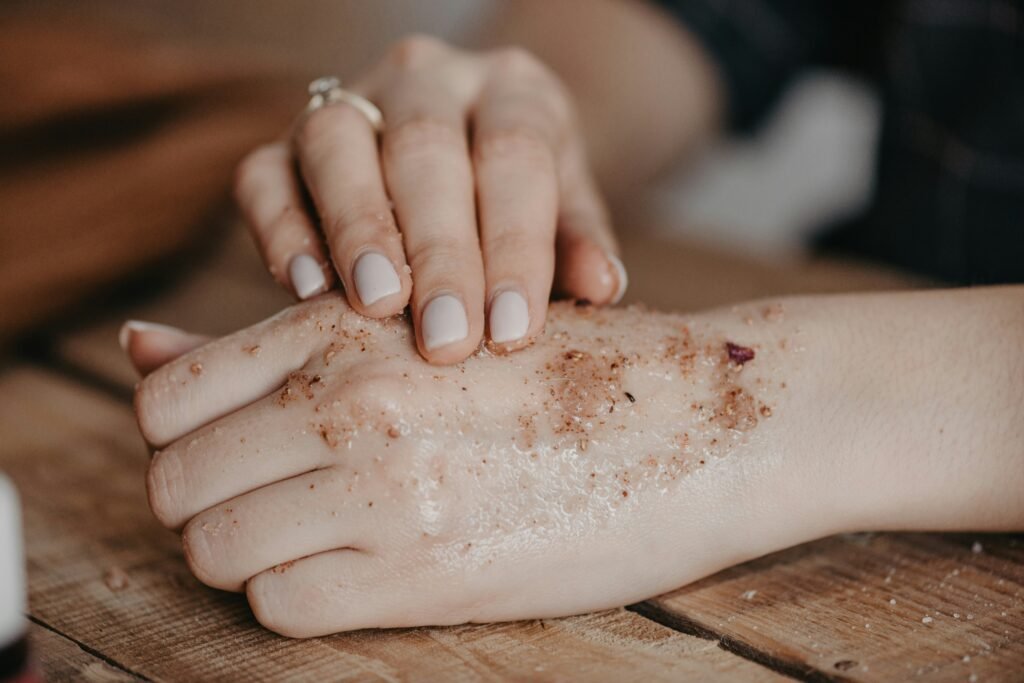
Contact dermatitis is a skin reaction that happens when something touching the skin causes irritation or triggers an allergic response. It can leave skin sore, itchy, red, dry, or uncomfortable, and it is often one of those conditions people live with for a while before realising a pattern is there.
This guide explains what contact dermatitis is, common triggers to think about, how it differs from other skin problems, and practical ways to manage it more confidently.
Quick Things to Know
- Contact dermatitis happens when the skin reacts to something it touches
- It can be caused by irritation or by an allergic reaction
- Hands, face, neck, and areas touched often are common problem spots
- Soaps, cleaning products, cosmetics, metals, and fabrics can all be triggers
- The reaction may appear quickly or build up over time
- Spotting patterns is often one of the most helpful steps
Why Contact Dermatitis Can Feel So Frustrating
Contact dermatitis can be difficult because the trigger is often part of ordinary everyday life. The thing causing the problem may be:
- something you use every day
- something you wear often
- something at work
- something in your home
- something in a skincare or cleaning product
That means the reaction can keep coming back unless the pattern is recognised.
It is also frustrating because contact dermatitis can look similar to other skin issues, which makes people second-guess whether they are dealing with eczema, allergy, dryness, or irritation.
1. What Is Contact Dermatitis?
Contact dermatitis is inflammation of the skin caused by contact with a trigger.
There are two broad types:
Irritant contact dermatitis
This happens when something damages or irritates the skin, especially after repeated exposure.
Allergic contact dermatitis
This happens when the immune system reacts to a specific substance touching the skin.
Both can cause similar symptoms, which is one reason it can be hard to tell them apart without looking at the bigger picture.
2. Common Symptoms of Contact Dermatitis
Symptoms may include:
- red skin
- itching
- dryness
- flaking
- soreness
- cracking
- burning
- stinging
- swelling
- rough patches
- sometimes blistering in more severe cases
The skin may feel:
- tight
- hot
- irritated
- sensitive to touch
- worse after washing or product use
Symptoms often show up where the trigger touched the skin, which can be a very useful clue.
3. Common Areas Affected
Contact dermatitis often affects areas that come into frequent contact with products, materials, or repeated handling.
Common sites include:
- hands
- wrists
- face
- eyelids
- neck
- scalp edges
- under jewellery
- arms
- around the mouth
- feet
For example:
- hand dermatitis may be linked to soaps, cleaning, or work exposure
- a rash under a ring or necklace may suggest metal allergy
- irritation around the eyes may be linked to skincare, makeup, or hair products
Where the rash appears often matters.
4. Irritant and Allergic Contact Dermatitis Are Not the Same
This is one of the most important things to understand.
Irritant contact dermatitis
This is often caused by repeated exposure to things like:
- handwashing
- soaps
- cleaning products
- detergents
- water
- rough chemicals
- repeated friction
It is often more about the skin barrier becoming damaged over time.
Allergic contact dermatitis
This involves a reaction to a specific substance, such as:
- fragrance
- nickel
- latex
- preservatives
- certain ingredients in skincare or cosmetics
This is more of an immune response to a particular trigger.
The symptoms can look similar, but the pattern and cause may differ.
5. Everyday Products Can Be Common Triggers
A lot of contact dermatitis triggers are surprisingly ordinary.
Possible examples include:
- soap
- hand sanitiser
- shampoo
- bubble bath
- moisturiser
- sunscreen
- makeup
- perfume
- cleaning sprays
- laundry detergent
- washing-up liquid
- baby wipes
- hair dye
- nail products
That does not mean every product is a problem. But if skin keeps reacting, everyday items are worth looking at closely.
6. Metals, Fabrics, and Accessories Can Trigger It Too
Contact dermatitis is not only about creams and soaps.
Other triggers can include:
- jewellery
- watch straps
- belt buckles
- zips or buttons
- mobile phone edges
- glasses frames
- certain fabrics
- rubber or elastic materials
- adhesives
- plasters
If the rash appears in a very specific place over and over again, think about what regularly touches that exact area.
That is often one of the strongest clues.
7. Hands Are a Common Problem Area
Hands are particularly vulnerable because they deal with:
- handwashing
- soaps
- cleaning
- food prep
- cold weather
- water
- work exposure
- repeated friction
This can make hand dermatitis especially common in:
- parents of young children
- cleaners
- healthcare workers
- hairdressers
- food workers
- anyone washing their hands frequently
Once hands are irritated, they may react more easily to other products too.
8. Face and Eyelid Reactions Can Be Harder to Untangle
The face, especially the eyelids, is another area where contact dermatitis can show up.
Possible triggers may include:
- skincare
- eye makeup
- makeup remover
- sunscreen
- shampoo or conditioner
- hair styling products
- perfume
- nail products transferred from fingers to the face
- airborne irritants or fragrance
The skin around the eyes is especially delicate, which is why it may react even when the trigger is something used elsewhere.
9. Contact Dermatitis Can Overlap with Eczema
Some people already have eczema-prone skin and then also react to irritants or allergens that make things worse.
This can make it hard to tell:
- whether the skin is flaring because of general eczema
- whether there is a specific contact trigger involved
- whether both are happening at the same time
If the rash keeps returning in the same pattern or place, that may suggest something touching the skin is playing a role.
Pattern matters more than panic.
10. Spotting the Trigger Often Takes Patience
With contact dermatitis, the trigger is not always obvious straight away.
Helpful questions include:
- What touched this area recently?
- What products are used here every day?
- Has anything changed recently?
- Does the rash appear in the same place each time?
- Is it worse after cleaning, washing, or using certain products?
- Is jewellery, fabric, or work exposure involved?
Sometimes the answer is clear. Sometimes it takes time and a bit of pattern-spotting.
11. A Simpler Routine Often Helps
When the skin is irritated, simpler is often better.
That may mean:
- using fewer products
- avoiding heavily fragranced products
- being careful with harsh cleansers
- keeping routines consistent
- noticing what genuinely helps versus what just adds more irritation
The aim is not to become afraid of every product. It is to reduce unnecessary noise so the skin has a better chance to settle.
12. When to Seek Medical Advice
It may be worth speaking to a healthcare professional if:
- the rash keeps coming back
- the skin is sore, cracked, or infected
- you think a specific allergy may be involved
- symptoms affect work or daily life
- hand dermatitis is ongoing
- the trigger is unclear
- the skin is not improving with basic care
If allergic contact dermatitis is suspected, patch testing or further assessment may sometimes be discussed.
Quick Checklist
✅ Noticed where the rash appears most often
✅ Thought about products, metals, fabrics, or work exposure
✅ Considered whether the reaction seems irritant or allergic
✅ Looked for repeat patterns in the same places
✅ Simplified routines where helpful
✅ Avoided assuming all skin reactions are the same
✅ Sought advice if the rash is ongoing, painful, or unclear
Final Thoughts
Contact dermatitis can be irritating in every sense of the word — uncomfortable on the skin and frustrating to figure out. But once you start noticing where it appears and what regularly touches that area, things often become much clearer.
The aim is not to guess wildly at every possible trigger. It is to build a calmer, more practical understanding of what your skin may be reacting to and make everyday life more comfortable as a result.
Pattern-spotting and simpler routines often go a long way.
Related Guides
- Eczema and Allergies
- Fragrance Allergy Guide
- Nickel Allergy Guide
- Choosing Allergy-Friendly Skincare
Disclaimer: This guide is for general information only and should not replace medical advice. Always follow advice from your doctor or healthcare professional.