
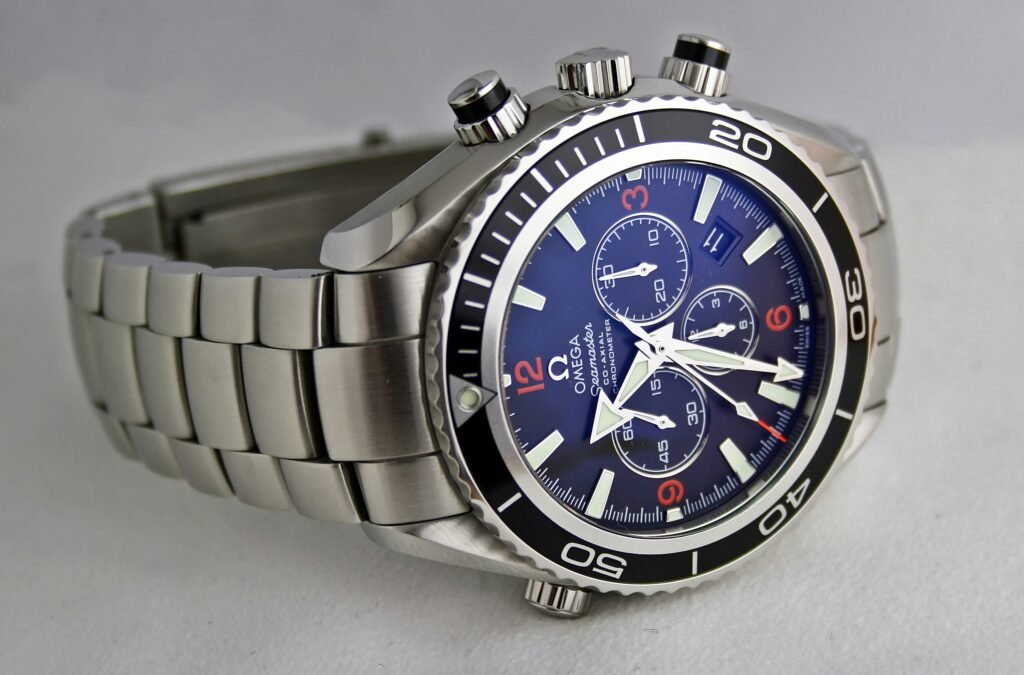
Nickel allergy is one of the most common causes of allergic contact dermatitis, and it can be surprisingly persistent because nickel shows up in many ordinary everyday items. Jewellery is the best-known trigger, but nickel can also appear in watches, buttons, zips, phone edges, coins, glasses, and all sorts of metal items people touch regularly without thinking much about it.
This guide explains what nickel allergy is, common symptoms to look out for, where nickel may be found, and practical ways to reduce irritation and flare-ups in daily life.
Quick Things to Know
- Nickel allergy usually affects the skin where metal touches it
- Jewellery is a common trigger, but not the only one
- Reactions often show up as itchy, sore, or dry patches
- The rash may keep returning in the same places
- Everyday items like buttons, zips, and watch straps can be relevant
- Spotting repeated contact patterns is often the key
Why Nickel Allergy Can Be So Frustrating
Nickel allergy can feel irritating in every sense of the word because the trigger is often part of normal life. The same rash may keep returning on the ears, neck, wrists, stomach, or hands, and people may not realise the common link is a metal item they wear or touch regularly.
It can also be confusing because:
- the rash may not appear instantly
- reactions can build up over time
- different items may trigger the same area
- people often think only cheap jewellery is a problem
The good news is that once the pattern becomes clear, nickel allergy is often much easier to manage.
1. What Is a Nickel Allergy?
A nickel allergy is a type of allergic contact dermatitis. It happens when the skin reacts to nickel after contact.
Nickel is a metal found in a wide range of products, especially items designed to be durable, shiny, or inexpensive.
For someone with nickel allergy, repeated contact can lead to:
- itching
- redness
- soreness
- dry or flaky skin
- rash
- cracking in more persistent cases
The reaction usually appears where the nickel-containing item touches the skin.
2. Common Symptoms of Nickel Allergy
Symptoms may include:
- itchy skin
- red patches
- dry or rough skin
- rash
- sore skin
- burning or stinging
- cracked skin
- small bumps or blistering in some cases
The reaction may start mildly and then become more obvious if contact continues.
Unlike hives, which often move around, nickel allergy usually keeps coming back in the same contact areas.
3. Jewellery Is a Very Common Trigger
The most familiar trigger is jewellery, especially:
- earrings
- necklaces
- rings
- bracelets
- watch straps
- body jewellery
Common clues include:
- itchy or sore earlobes after earrings
- rash around the neck under a chain
- irritation under a bracelet or watch
- finger rash under a ring
Some people notice problems only with certain pieces. Others react to many metal items over time.
4. It Is Not Just Jewellery
Nickel can also be found in:
- jeans buttons
- belt buckles
- bra hooks
- zips
- glasses frames
- watch backs
- coins
- keys
- phone edges or phone cases with exposed metal
- some tools or handles
This is why the rash may show up in places like:
- the stomach, under a jeans button
- the wrist, under a watch
- the side of the face, near glasses
- the hands, after repeated contact with metal objects
Where the rash appears often gives one of the strongest clues.
5. The Rash Often Appears in Repeated Places
One of the most useful things about spotting nickel allergy is that the skin often reacts in the same locations again and again.
For example:
- ears after earrings
- neck after necklaces
- wrists after watches
- stomach after trouser buttons
- hands after handling metal objects regularly
If the same patch keeps flaring in the same place, it is worth asking what regularly touches that area.
That repeated pattern is often the biggest hint.
6. Nickel Allergy Can Build Up Over Time
A nickel reaction does not always happen immediately the first time you wear or touch something.
Sometimes:
- the contact is repeated for hours or days
- the skin slowly becomes itchier
- the rash worsens after longer wear
- repeated use leads to a clearer pattern
This is one reason nickel allergy can be overlooked. People may not connect the rash to the item because the reaction is not always instant and dramatic.
7. Sweat and Heat Can Make Things Worse
Nickel-related skin reactions can feel worse when:
- jewellery is worn for long periods
- the skin becomes sweaty
- weather is warm
- the item is pressed closely against the skin
- friction is involved
This is one reason necklaces, earrings, watch straps, bra hooks, and jeans buttons can sometimes trigger stronger reactions than people expect.
The skin may cope for a while, then flare more noticeably once heat and moisture are added.
8. Children and Nickel Allergy
Nickel allergy can affect children too, especially if they wear:
- earrings
- jewellery
- watches
- belts or jeans with metal buttons
- accessories with metal parts
Possible clues include:
- sore or crusty ears after earrings
- rash around waistbands
- repeated irritation under metal accessories
- itchy skin in very specific places
If the same rash keeps appearing around jewellery or metal contact areas, it is worth taking seriously.
9. Nickel Allergy Can Overlap with Eczema or Sensitive Skin
People with eczema or generally sensitive skin may find it harder to untangle whether the problem is:
- eczema alone
- irritation from friction or sweat
- nickel allergy
- a mix of all three
This is where location and repetition matter so much.
If skin keeps reacting where metal touches it, nickel is worth considering even if the person also has eczema or sensitive skin more generally.
10. Practical Ways to Reduce Nickel Contact
Helpful ideas may include:
- avoiding jewellery that seems to trigger the skin
- removing problem items sooner rather than later
- being cautious with watches, buckles, and jeans buttons
- covering metal items where practical if they touch the skin
- noticing whether newer or different accessories feel easier to tolerate
- reducing long periods of skin contact if that is when reactions worsen
The aim is not to become anxious about every metal object. It is to notice which items repeatedly cause problems and make sensible changes around them.
11. Simpler Is Often Better for Irritated Skin
If the skin is already reacting, it often helps to keep the routine calm and simple.
That may mean:
- removing the likely trigger
- avoiding rubbing or scratching the area
- keeping skincare straightforward
- not adding lots of heavily fragranced products on top
- giving the skin time to settle
When skin is irritated, less is often more.
12. When to Seek Medical Advice
It may be worth speaking to a healthcare professional if:
- the rash keeps coming back
- the skin is sore, cracked, or infected
- the trigger is not fully clear
- earrings or metal contact cause repeated problems
- the rash affects daily comfort
- you think allergic contact dermatitis is likely
- patch testing or further assessment may be useful
You do not need to guess forever if the pattern is recurring.
Quick Checklist
✅ Noticed where the rash appears most often
✅ Thought about jewellery, watches, buttons, or metal accessories
✅ Considered repeated skin contact in the same areas
✅ Noticed whether sweat or long wear makes things worse
✅ Simplified contact with likely trigger items
✅ Avoided assuming it is “just dry skin” every time
✅ Sought advice if the rash is recurring or persistent
Final Thoughts
Nickel allergy can be easy to miss at first because the trigger is often something ordinary you wear or touch every day. But once you notice the repeated pattern — same area, same type of item, same kind of rash — things usually start to make much more sense.
The aim is not to fear all metal. It is to identify the items that repeatedly irritate your skin and reduce the contact that is keeping the cycle going.
Repeated patterns are often the clue that unlocks the whole thing.
Related Guides
- Contact Dermatitis Explained
- Fragrance Allergy Guide
- Choosing Allergy-Friendly Skincare
- Eczema and Allergies
Disclaimer: This guide is for general information only and should not replace medical advice. Always follow advice from your doctor or healthcare professional.