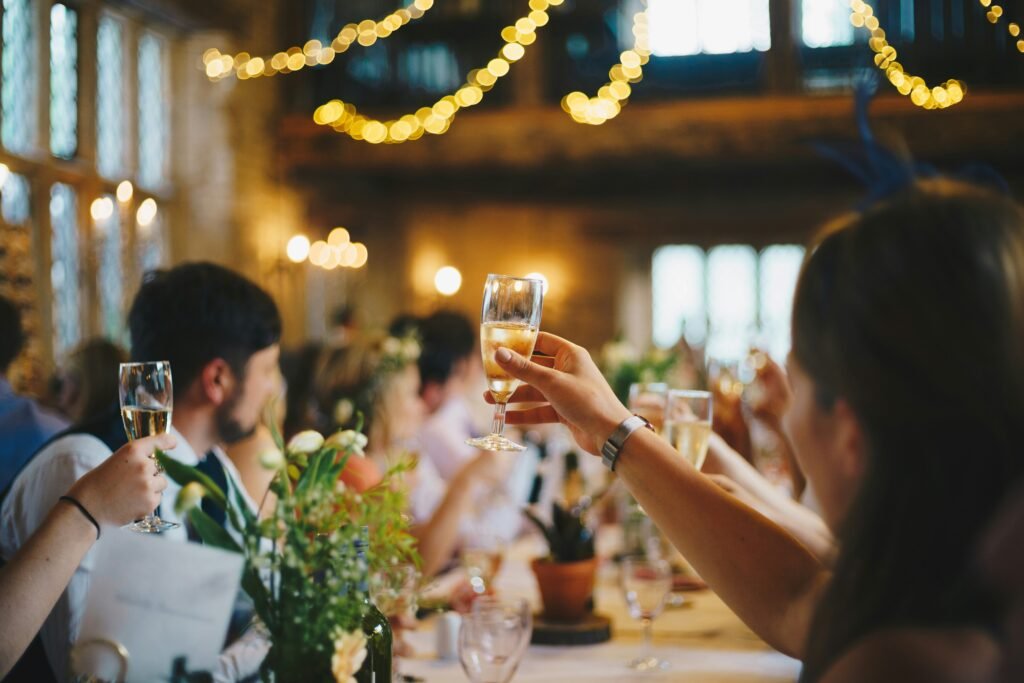
Weddings, parties, conferences, family celebrations, and other big events can be some of the hardest places to manage allergies. Food is often central, plans may change quickly, ingredients are not always obvious, and there can be a lot of social pressure to just go with the flow.
The good news is that big events can still be enjoyed safely with a bit of planning, clear communication, and the confidence to keep things simple when needed. This guide covers practical ways to prepare, ask the right questions, and reduce stress when food is part of a larger event.
Quick Things to Know
- Big events need more planning than an ordinary meal out
- Menus and catering can be less flexible than people assume
- It helps to ask questions before the day if possible
- Buffets, canapés, and desserts often need extra caution
- Safe backup food can make a big difference
- Social pressure should never override safety
Why Big Events Can Feel So Difficult
Large events often involve:
- set menus
- shared catering
- buffet food
- canapés
- unclear ingredients
- rushed staff
- busy venues
- alcohol and distraction
- pressure not to “be awkward”
That combination can make even confident allergy management feel harder than usual.
The aim is not to remove all spontaneity from the event. It is to make sure you are not forced into last-minute guesswork when food is involved and everyone else is focused on having a good time.
1. Ask About Food Before the Event
If possible, try to find out in advance:
- whether food will be served
- whether the menu is fixed
- whether allergen information is available
- whether the caterer can accommodate your allergy
- whether there will be a buffet, plated meal, or canapés
- whether there are likely to be safe options for dessert or snacks
This is especially useful for:
- weddings
- formal dinners
- conferences
- work events
- family celebrations
- hotel functions
A little information beforehand can remove a lot of uncertainty on the day.
2. Do Not Assume the Venue “Will Have It Covered”
Some venues and caterers are excellent with allergies. Others are much less clear than they first sound.
It helps not to assume that because an event is formal or expensive, it will automatically be safer.
Good questions to ask may include:
- Can the kitchen accommodate my allergy safely?
- Is there written allergen information?
- Are dishes plated separately if needed?
- How is cross-contamination managed?
- Who should I speak to on the day?
A confident-sounding venue is not the same thing as a clear allergy plan.
3. Buffets Need Extra Caution
Buffets are one of the trickiest setups for allergies because:
- serving spoons get moved
- crumbs spread between dishes
- foods are placed close together
- labels may be missing or vague
- guests touch and mix foods
- staff may not know exactly what is in everything
Even if a dish looks safe at first, it may not stay safe once service begins.
If you are unsure, it is usually safer to avoid guessing and choose only what has been clearly checked.
4. Canapés and Small Bites Can Be Easy to Misjudge
Canapés, sharing boards, and passed trays often feel awkward because:
- they are offered quickly
- ingredients may not be obvious
- there is little time to ask questions
- people feel pressured to take something
It is completely fine to say:
- “No thank you.”
- “I need to check first.”
- “I can’t risk it if I’m not sure what’s in it.”
Canapés are one of the easiest places for people to take a risk just to avoid awkwardness. It is never worth that.
5. Desserts Often Need More Care Than People Expect
Desserts can be especially tricky because they often contain:
- milk
- egg
- nuts
- wheat
- sesame
- hidden sauces or toppings
They may also have a higher cross-contamination risk in shared catering environments.
If the allergy matters and the information is unclear, it is often safest to skip dessert rather than gamble on it.
That may feel disappointing in the moment, but it is still better than taking a risk because everyone else is having pudding.
6. Tell the Right Person, Not Everyone
You do not need to announce your allergy to the entire table or explain it to every guest.
Usually, the most useful people to tell are:
- the host, if appropriate
- the organiser
- the catering manager
- the server handling your meal
- the venue contact
- event staff if they are directly dealing with your food
The aim is to get the right information to the right people without turning it into a full public discussion.
7. Have a Backup Plan
One of the best ways to reduce event stress is to assume that food may not go perfectly.
Helpful backup ideas may include:
- eating before you go
- bringing safe snacks
- keeping emergency food in your bag or car
- deciding in advance that you will skip uncertain dishes
- having a plan for what you will do if nothing feels safe
That way, if the food situation is poor, you are not left hungry, pressured, and trying to talk yourself into something risky.
8. Alcohol and Busy Social Situations Can Make Things Harder
At weddings and larger events, people are often:
- distracted
- rushing
- chatting
- celebrating
- drinking
That can make allergy management more difficult because:
- staff may be busier
- guests may push food on you casually
- your own guard may be lower
- details are easier to miss
This is one reason it helps to make decisions before the event rather than relying on perfect judgment in the middle of a hectic evening.
9. Children at Big Events Need Extra Planning
For children, weddings and large celebrations can be even trickier because they involve:
- party food
- desserts
- unfamiliar adults
- excitement
- less supervision than usual
- children’s tables or snack stations
Helpful steps may include:
- bringing safe food or treats
- making sure supervising adults understand the allergy
- keeping medication easy to reach
- helping the child know not to accept food without checking
- planning something safe so they still feel included
Children should still be able to enjoy the event — they just need the right support around the food side of it.
10. It Is Okay to Keep It Simple
Large events are not always the right place to be adventurous with food.
If you do have a safe option, keeping it simple is often the best route.
That may mean choosing:
- a plain main dish
- a clearly checked plate
- a simpler side
- food with fewer ingredients or sauces
Complex dishes, shared platters, and fancy extras often create more room for confusion.
Simple does not mean joyless. It often just means safer.
11. Do Not Let Social Pressure Make the Decision for You
This is a big one.
At weddings and celebrations, people may say things like:
- “I’m sure it’s fine.”
- “Just have a little bit.”
- “They’ll have catered for everyone.”
- “Go on, it’s a special occasion.”
But a special occasion does not change your allergy.
It is okay to say:
- “I can’t risk it if I’m not sure.”
- “I’m fine, I’ve got something safe.”
- “I’d rather keep it simple.”
Protecting yourself is not spoiling the event.
12. If You Carry Medication, Plan for the Event Properly
If you have allergy medication, think ahead about:
- where it is
- whether it stays with you
- whether someone with you knows where it is
- what you would do if symptoms started
- whether the venue is large and confusing to navigate quickly
At bigger venues, having a mental plan matters more than people sometimes realise.
You do not need to be anxious about it — just prepared.
Quick Checklist
✅ Asked about food or catering in advance if possible
✅ Planned not to rely on guesswork
✅ Took extra care with buffets, canapés, and desserts
✅ Told the right people what they needed to know
✅ Packed safe backup food if helpful
✅ Kept medication accessible if relevant
✅ Chosen safety over social pressure
Final Thoughts
Eating at weddings and big events can feel difficult because food is often part of the celebration and nobody wants to feel awkward in the middle of it. But with a little preparation, a clear backup plan, and the confidence to keep things simple, these occasions can feel much more manageable.
The aim is not to make the event all about your allergy. It is to make sure you can enjoy the day without avoidable stress or risk.
A calm plan often makes the celebration much easier to enjoy.
Related Guides
- Eating Out Safely with Allergies
- Eating at Friends’ Houses and Social Events
- Allergies at Work
- Packing for Day Trips and Holidays with Allergies
Disclaimer: This guide is for general information only and should not replace medical advice. Always follow advice from your doctor or healthcare professional.