
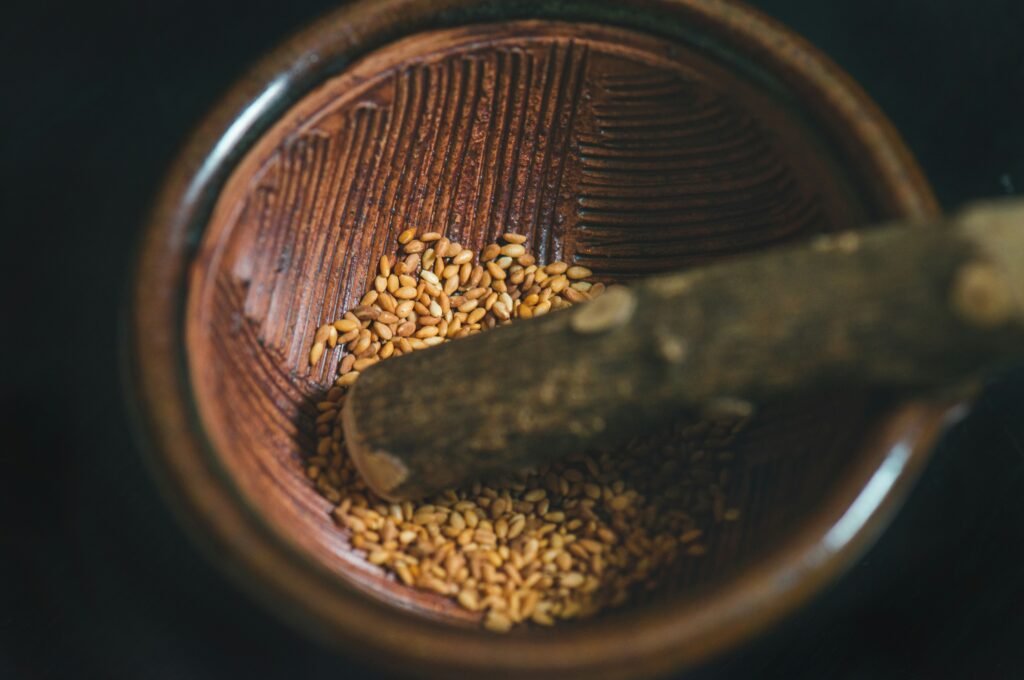
Sesame allergy can be especially challenging because sesame appears in more foods than many people expect, and it is not always obvious at first glance. It can be found in bread, crackers, dressings, sauces, snacks, bakery items, and many cuisines where it is used for flavour, texture, or garnish.
This guide explains where sesame may be hidden, which ingredients to watch for, and how to make safer everyday choices with more confidence.
Quick Things to Watch For
- Always read the full ingredients list
- Do not just look for visible sesame seeds
- Be extra careful with bread, bakery items, and sauces
- Check labels every time, even on familiar products
- Watch for sesame in dressings, hummus, and spreads
- When in doubt, leave it out
Why Sesame Can Be Hard to Avoid
Many people think of sesame as something sprinkled on top of burger buns or breadsticks. But sesame can appear in far more places than that.
It may be used as:
- whole seeds
- sesame oil
- tahini
- sesame paste
- flavouring
- garnish
- part of spice mixes or sauces
This means a food can contain sesame even when it is not immediately visible.
1. Sesame Is Not Just Seeds on Bread
Sesame may be present in:
- burger buns
- bread rolls
- bagels
- crackers
- breadsticks
- flatbreads
- wraps
- bakery items
But it can also appear in:
- hummus
- tahini
- dressings
- marinades
- noodle dishes
- spice blends
- snack bars
- Asian-inspired foods
- Middle Eastern dishes
That is why managing sesame allergy often means looking beyond what you can see on the surface.
2. Ingredient Names That May Mean Sesame
Sesame may be listed as:
- sesame
- sesame seeds
- sesame oil
- sesame paste
- tahini
These names are often clear on modern labels, but the key point is that sesame is not always obvious from the food itself.
For example, a sauce or dressing may contain tahini even if the word “sesame” is not the first thing you notice on the front of the pack.
Always read the full ingredients list carefully.
3. Bread and Bakery Foods Need Extra Care
Bakery items are one of the most common places sesame appears.
Be especially careful with:
- burger buns
- bread rolls
- seeded bread
- sandwich thins
- crackers
- breadsticks
- bagels
- savoury pastries
Even if a product does not have visible seeds on top, it may still contain sesame as an ingredient or be made alongside sesame-heavy items in a shared bakery environment.
4. Tahini and Hummus Are Common Sources
Tahini is made from sesame and is a common ingredient in:
- hummus
- dips
- sauces
- dressings
- some desserts
- Middle Eastern dishes
This can catch people out because the food may not obviously look “sesame-based” unless you already know what tahini is.
If you are managing a sesame allergy, tahini is one of the key ingredient names to remember.
5. Dressings, Sauces, and Marinades Can Be Tricky
Sesame is often used in:
- salad dressings
- noodle sauces
- stir-fry sauces
- marinades
- dipping sauces
- sushi accompaniments
- flavour pastes
This is especially important when eating out or buying ready-made foods, because sesame may be present in flavourings even when it is not visible.
A simple-looking sauce can still contain sesame or tahini.
6. Snack Foods and Health Products May Contain Sesame
Sesame can also turn up in:
- snack bars
- granola bars
- seed mixes
- savoury snacks
- crackers
- health foods
- vegetarian or vegan snacks
This can be especially frustrating if you are choosing foods that look wholesome or simple.
As always, the safest approach is to trust the label, not the look of the product.
7. Cross-Contamination Can Matter Too
Sesame can be a problem not only as an ingredient, but also through cross-contamination, especially in:
- bakeries
- cafés
- shared kitchens
- buffets
- takeaway counters
- food manufacturing
Cross-contact may happen through:
- crumbs
- shared trays
- shared utensils
- toppings spread between products
- poor cleaning between foods
This is one reason bakery counters and unpackaged foods often need extra caution.
8. Eating Out with a Sesame Allergy
Eating out with a sesame allergy may mean asking more questions than people expect.
Be especially careful with:
- burger buns
- seeded bread
- hummus
- dips
- wraps
- salads with dressings
- Asian-inspired dishes
- Middle Eastern food
- sushi and noodle dishes
Helpful questions include:
- Does this contain sesame or tahini?
- Is sesame oil used in the sauce or marinade?
- Does the bread or bun contain sesame?
- Is there allergen information available?
- Could it come into contact with sesame during preparation?
Sesame can be easy to miss unless you ask directly.
9. Sesame Allergy in Children
Sesame can be particularly difficult for children because it often appears in:
- lunchbox products
- breads and buns
- crackers
- party food
- buffet items
- dips and snacks
It helps to keep:
- a shortlist of trusted products
- safe packed lunch options
- backup snacks
- clear notes for school or nursery
- a simple explanation for other adults caring for your child
The more familiar the safe options become, the easier daily life usually feels.
10. Keep a Shortlist of Trusted Foods
Many people with sesame allergy find it helpful to keep a small list of:
- safe breads
- trusted snacks
- lunchbox foods
- crackers
- bakery alternatives
- easy meal staples
This can make shopping and meal planning much easier.
Just remember: trusted products still need checking every time, because recipes and manufacturing processes can change.
Quick Checklist
✅ Read the full ingredients list every time
✅ Looked beyond visible sesame seeds
✅ Watched for tahini, sesame oil, and sesame paste
✅ Checked bakery items, sauces, and snacks carefully
✅ Considered cross-contamination where relevant
✅ Used trusted foods without skipping label checks
✅ When in doubt, left it out
Final Thoughts
Sesame allergy can feel frustrating at first because sesame appears in more foods than many people realise, and it is not always visible. But once you know the key places it hides — especially bread, bakery items, tahini, dressings, and sauces — it becomes much easier to spot common risks.
The aim is not to make everyday food choices stressful forever. It is to help you recognise hidden sesame more quickly, ask better questions, and make safer choices with more confidence.
A careful label check and a little extra awareness can make a big difference.
Related Guides
- Food Labels Explained: How to Read Allergy Information Safely
- Free-From Foods: What They Really Mean
- Cross-Contamination Explained
- Hidden Sources of Soy
Disclaimer: This guide is for general information only and should not replace medical advice. Always follow advice from your doctor or allergy specialist.