
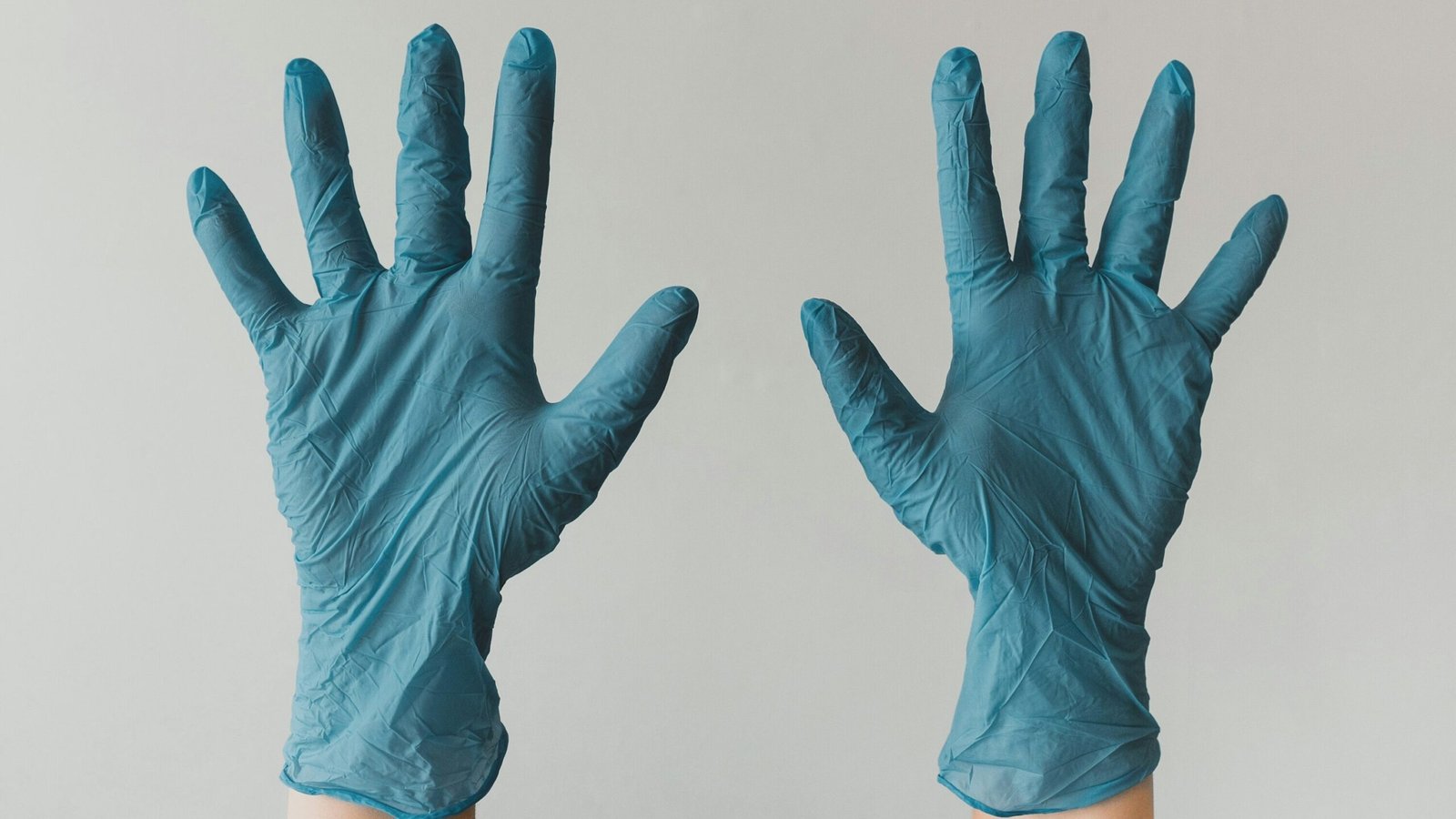
Latex allergy can be easy to overlook at first because latex is not always obvious. It can appear in gloves, balloons, medical items, elastic, adhesives, and a range of everyday products people do not always think about. For some people, symptoms are mild and mainly affect the skin. For others, reactions can be more significant and need to be taken seriously.
This guide explains what latex allergy is, common symptoms to look out for, where latex may be found, and practical ways to reduce risk in daily life.
Quick Things to Know
- Latex is found in more everyday products than many people realise
- Reactions may affect the skin, breathing, or the wider body
- Gloves and medical settings are common trigger areas
- Balloons, elastic, and adhesives can also be relevant
- Not every reaction to gloves is a true latex allergy
- Clear communication matters, especially in healthcare settings
Why Latex Allergy Can Be Hard to Spot
Latex allergy can be confusing because the reaction may not always happen in obvious ways, and people often assume irritation from gloves or products is “just sensitive skin.”
It can also be difficult because latex is often hidden in:
- work settings
- healthcare environments
- children’s party items
- household products
- clothing or elastic items
That means someone may keep reacting without immediately realising what the common link is.
1. What Is Latex?
Latex usually refers to natural rubber latex, a material used in many products because it is flexible, stretchy, and durable.
It has commonly been used in things like:
- disposable gloves
- balloons
- elastic
- plasters or adhesives
- some medical items
- some household items
A latex allergy happens when the immune system reacts to proteins linked to natural rubber latex.
2. Common Symptoms of Latex Allergy
Latex allergy symptoms can include:
- itching
- redness
- rash
- hives
- swelling
- watery eyes
- sneezing
- coughing
- wheezing
- shortness of breath
- more general allergic reaction symptoms in more severe cases
Some people react only where the latex touched the skin. Others may have wider symptoms, especially if latex particles become airborne or if contact is more significant.
As with other allergies, symptoms can range from mild to serious.
3. Skin Reactions Are Often the First Clue
One of the most common early signs is skin irritation or a rash after contact with latex products.
This might include:
- itchy hands after wearing gloves
- a rash under elastic
- redness around an adhesive dressing
- irritation after handling balloons
That said, not every skin reaction to gloves is a true latex allergy. Sometimes irritation is caused by sweating, frequent handwashing, or other chemicals in the product.
This is one reason the wider pattern matters.
4. Gloves Are a Common Trigger Area
Latex gloves are one of the best-known sources of exposure, especially for:
- healthcare workers
- cleaners
- hairdressers
- childcare workers
- food workers
- anyone using disposable gloves regularly
Possible clues include:
- itchy or sore hands after glove use
- repeated hand rash linked to certain gloves
- sneezing or breathing irritation around powdered gloves in the past
- symptoms that improve when a different glove type is used
If gloves seem to trigger repeated symptoms, it is worth paying attention.
5. Latex Is Not Just in Gloves
Latex may also be found in:
- balloons
- rubber bands
- some plasters
- some elastic waistbands
- hot water bottles
- some sports equipment
- certain medical or dental products
- some household cleaning gloves
- some toys
This is one reason latex allergy can be tricky. The trigger may keep showing up in different settings without being immediately recognised.
6. Healthcare and Dental Settings Matter
Latex allergy is especially important in medical and dental settings, because latex-containing products may sometimes be used during examinations, procedures, or treatment.
If you or your child has a known or suspected latex allergy, it is important to mention it clearly before:
- GP appointments
- hospital visits
- blood tests
- dental treatment
- surgery
- scans or procedures
Clear communication can help reduce the risk of accidental exposure.
7. Balloons Can Be a Hidden Problem for Children
For children, balloons are one of the most common less-obvious sources of latex exposure.
This can matter at:
- birthday parties
- school events
- nurseries
- play centres
- family celebrations
Some children react after touching balloons directly. Others may react in environments where balloons are being handled or blown up.
If a child seems to flare around balloons or similar products, it is worth taking seriously.
8. Latex Allergy and Other Reactions Can Get Mixed Up
Not every rash after gloves or elastic means latex allergy.
Possible alternatives include:
- irritant contact dermatitis
- allergic contact dermatitis to other chemicals
- sweating under gloves
- irritation from adhesives
- skin barrier problems such as eczema
This is why repeated reactions, patterns, and wider symptoms all matter. A proper assessment can help work out whether latex is truly the issue.
9. Watch for More Serious Symptoms
Latex allergy should be taken especially seriously if exposure seems linked to:
- hives
- facial swelling
- wheezing
- coughing
- throat symptoms
- dizziness
- more general allergic reaction signs
If symptoms go beyond mild skin irritation, it is important not to brush them off casually.
And if someone is showing signs of a severe allergic reaction or anaphylaxis, urgent medical help is needed.
If you are in the UK, call 999 in an emergency. If you are outside the UK, follow your local emergency guidance.
10. Practical Ways to Reduce Risk
Helpful steps may include:
- avoiding known latex products where possible
- checking gloves and household items more carefully
- telling schools, childcare providers, and family if relevant
- informing medical and dental staff clearly in advance
- being cautious around balloons and similar party items
- noticing what products repeatedly trigger symptoms
You do not need to become frightened of every rubbery object. It is about building awareness and making practical choices where the risk is clear.
11. Children and Latex Allergy
Children may not always describe symptoms clearly, but possible clues include:
- a rash after handling balloons
- swelling or irritation where elastic touched the skin
- repeated reactions in healthcare settings
- itching, hives, or discomfort after certain toys or products
If you notice a repeated pattern, especially across different types of latex-containing items, it is worth discussing with a healthcare professional.
12. When to Seek Medical Advice
It may be worth speaking to a healthcare professional if:
- reactions keep happening after contact with gloves, balloons, or similar items
- symptoms include hives, swelling, or breathing changes
- skin reactions are ongoing and the trigger is unclear
- a child seems to react repeatedly to common latex-containing products
- you need clarity before medical or dental treatment
- work exposure may be involved
It is better to get proper advice than keep guessing.
Quick Checklist
✅ Thought about gloves, balloons, and other everyday latex sources
✅ Noticed whether the same type of product keeps triggering symptoms
✅ Considered the difference between irritation and allergy
✅ Watched for hives, swelling, or breathing changes
✅ Planned to mention it in healthcare settings if relevant
✅ Noted patterns if symptoms keep happening
✅ Sought advice if reactions are recurring or significant
Final Thoughts
Latex allergy can be easy to miss at first because latex shows up in ordinary places and symptoms may be mistaken for simple irritation. But once you start noticing the pattern, it often becomes much easier to understand what needs extra caution.
The aim is not to make everyday life feel stressful. It is to recognise the products and situations that matter, communicate clearly where needed, and reduce avoidable reactions with more confidence.
Awareness and pattern-spotting go a long way.
Related Guides
- Contact Dermatitis Explained
- Hives Explained
- Mild vs Severe Allergic Reactions
- Common Allergy Symptoms Explained
Disclaimer: This guide is for general information only and should not replace medical advice. Always follow advice from your doctor or healthcare professional.