Legume Allergy Guide: Symptoms, Causes, Diagnosis and Treatment
Quick Facts
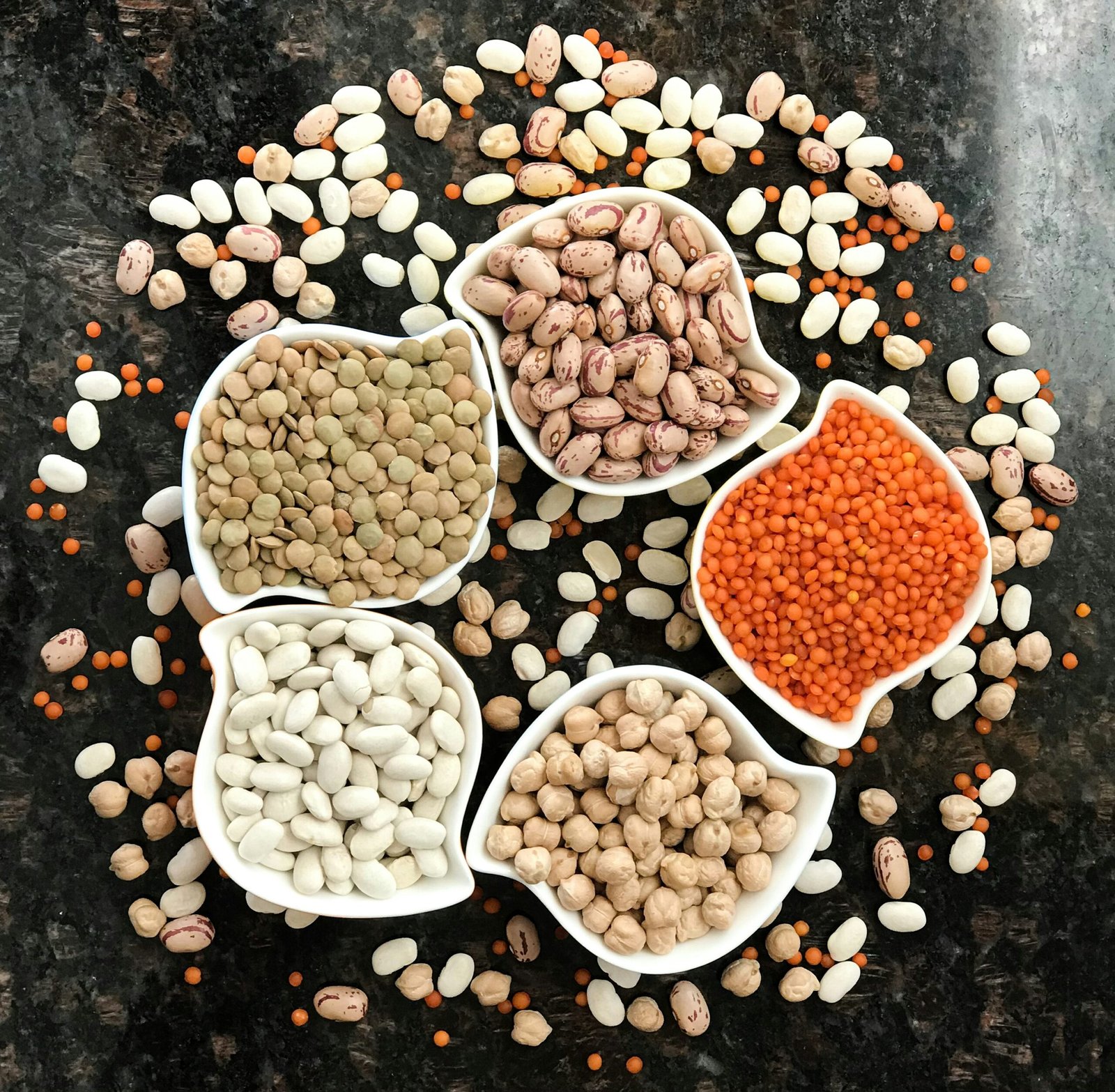
- Legume allergy occurs when the immune system reacts to proteins found in legumes such as peas, lentils, chickpeas, and beans.
- Legumes are part of the same plant family as peanuts, soy, and lupin.
- Symptoms may include hives, swelling, stomach pain, vomiting, coughing, or breathing difficulties.
- Some people with peanut or soy allergy may also react to other legumes.
- Legumes are widely used in plant-based foods and processed products.
- Severe reactions (anaphylaxis) are possible but less common.
Overview
Legume allergy occurs when the immune system reacts to proteins found in legumes. Legumes are a group of plants that include foods such as peas, lentils, chickpeas, beans, soybeans, and peanuts.
Because these foods belong to the same plant family, some people who are allergic to one legume may also react to others. This is known as cross-reactivity. For example, people with peanut allergy may sometimes react to peas, lentils, or chickpeas.
However, not everyone with a legume allergy reacts to all legumes. Many people are allergic to only one or two specific legumes, and allergy testing with a specialist can help determine which foods are safe.
Legumes are increasingly common in plant-based foods, meat substitutes, protein powders, and processed products, which makes careful label reading important for people with allergies.
Symptoms
Mild to moderate reactions:
- Hives or rash
- Tingling or itching in the mouth
- Itchy skin or flushing
- Swelling of the lips, face, or eyes
- Tummy pain, nausea, or vomiting
Severe reactions (anaphylaxis):
- Swelling of the throat or tongue
- Wheezing, coughing, or breathing difficulties
- Tightness in the chest or difficulty swallowing
- Sudden dizziness, fainting, or clammy skin
- Risk of collapse or loss of consciousness
Diagnosis
If a legume allergy is suspected, a doctor or healthcare professional may refer you to an allergy specialist for further assessment.
Diagnosis usually begins with a detailed medical history, including the symptoms experienced and the foods eaten before the reaction.
Testing may include:
- Skin prick tests or blood tests to look for allergic antibodies
- Assessment of possible cross-reactivity with other legumes
- Oral food challenge tests carried out under medical supervision
An allergy specialist will interpret test results alongside medical history, as tests alone do not always confirm a true food allergy.
Living with Legume Allergy
- Shopping: Legumes may appear in a wide range of foods, including soups, sauces, plant-based meat alternatives, protein powders, and processed foods. Always read ingredient labels carefully.
- Eating out: Tell restaurant staff about your allergy and ask about ingredients. Legumes may appear in dishes such as curries, hummus, falafel, soups, and vegetarian or vegan meals.
- Cross-contact: Because legumes belong to the same plant family, some people may react to multiple legumes. Allergy testing can help determine which foods should be avoided.
- Common legume foods:
- Peas
- Lentils
- Chickpeas
- Beans (kidney, black, pinto, etc.)
- Soybeans
- Lupin
- Peanuts
Emergency Action
Mild allergic symptoms can often be treated with an antihistamine.
However, if there are signs of a severe allergic reaction — such as difficulty breathing, swelling of the throat or tongue, wheezing, sudden dizziness, or collapse — this is a medical emergency. Call your local emergency number immediately and use an adrenaline auto-injector if one has been prescribed.
Adrenaline auto-injectors commonly prescribed include:
• EpiPen® (adult and junior doses)
• Jext® (adult and junior doses)
• Auvi-Q® (available in some countries)
People at risk of severe allergic reactions are usually advised to carry two auto-injectors at all times, in case a second dose is needed.
After using an adrenaline auto-injector, medical attention is still required, as symptoms can return.
Friends, family members, teachers, and carers should know where the devices are kept and how to use them. Training devices and demonstration videos are available from the manufacturers’ websites.
Outgrowing Legume Allergy
The likelihood of outgrowing a legume allergy depends on the specific food involved.
Some children may outgrow allergies to legumes such as peas or lentils, while allergies to peanuts or soy may persist for longer. Regular reviews with an allergy specialist can help determine whether the allergy is still present.
In some cases, supervised food challenges may be used to assess whether certain legumes can be safely reintroduced.
Future Treatments
Research into new treatments for food allergies is ongoing. Some emerging approaches include:
Oral immunotherapy (OIT) – gradually introducing very small amounts of the allergen under medical supervision to help build tolerance.
Epicutaneous immunotherapy – skin patch treatments designed to slowly desensitise the immune system.
New medicines and biological therapies – researchers are studying treatments that may help reduce the severity of allergic reactions.
Many of these treatments are still being studied and may not be suitable for everyone.
For now, the safest approach remains avoiding trigger foods, checking ingredient labels carefully, and carrying emergency medication if prescribed.
When to Seek Medical Advice
Speak to a doctor or healthcare professional if you think you or your child may have a food allergy. Symptoms such as hives, swelling, stomach pain, vomiting, or breathing problems after eating certain foods should always be assessed by a medical professional.
Urgent medical attention is needed if symptoms of a severe allergic reaction (anaphylaxis) occur, including difficulty breathing, swelling of the throat or tongue, wheezing, dizziness, or collapse.
Resources
• NHS – Food Allergy Guidance
• Allergy UK
• British Society for Allergy & Clinical Immunology (BSACI)
These organisations provide trusted information, advice, and support for people living with allergies.
Medical Disclaimer
This guide is provided for general information only and is not a substitute for professional medical advice, diagnosis, or treatment.
Always seek advice from your doctor, allergy specialist, or another qualified healthcare professional if you have concerns about allergies, symptoms, or treatment.
If you believe you or someone else may be experiencing a severe allergic reaction (anaphylaxis), seek emergency medical assistance immediately.