
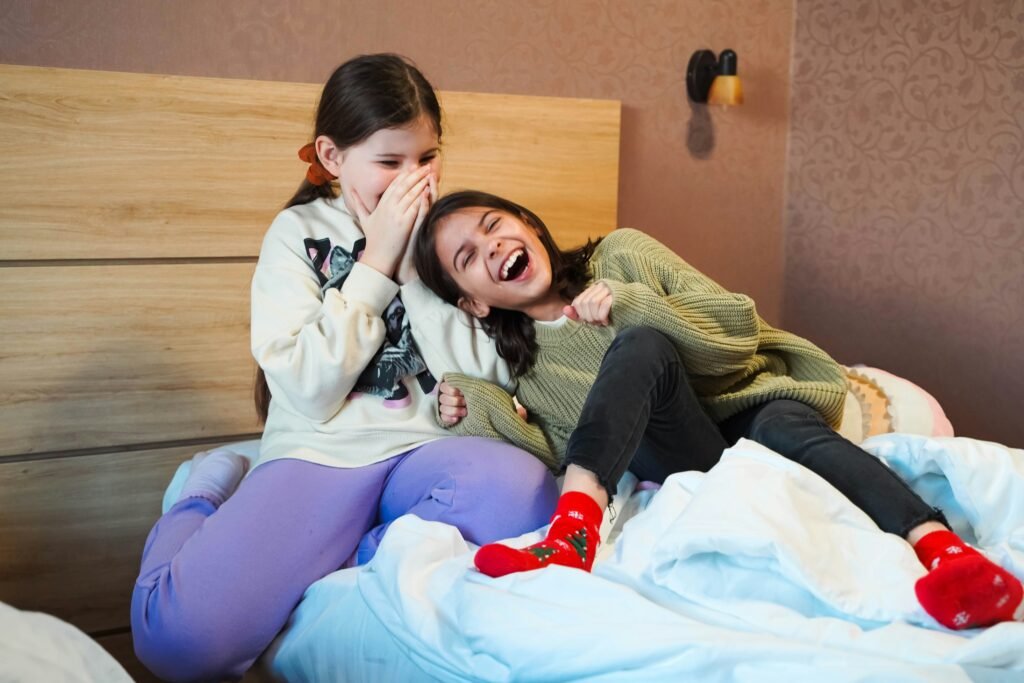
Sleepovers can be a big milestone for children — exciting, social, and a sign of growing independence. But when allergies are involved, they can also feel nerve-racking for parents and a little daunting for children too. New food, unfamiliar routines, other adults, pets, and overnight stays away from home can all add extra layers of uncertainty.
The good news is that sleepovers can still be manageable with the right planning. This guide covers practical ways to prepare, communicate clearly, and help children stay safe and included overnight.
Quick Things to Know
- Clear communication before the sleepover matters
- Do not rely on “I’m sure it’ll be fine”
- Safe food and medication should be part of the plan
- Other adults need to know what the allergy is and what to do
- It helps if the child knows a few simple safety rules too
- Preparation often reduces stress for everyone
Why Sleepovers Can Feel Harder Than Other Social Events
A sleepover is not just a meal or a party. It often involves:
- snacks
- breakfast
- bedtime routines
- overnight supervision
- shared bedrooms
- pets
- uncertainty about who is responsible when
That can make allergies feel more complicated than a short playdate or party.
For parents, the worry is often not just the food. It is whether the other adult really understands the allergy, knows where medication is, and would recognise if something was wrong during the night.
The aim is not to stop children doing normal things. It is to make the sleepover feel planned, practical, and safe.
1. Tell the Host Clearly in Advance
Do not leave the allergy conversation until drop-off time.
It usually helps to explain in advance:
- what the allergy is
- how serious it is
- what foods or triggers need avoiding
- whether cross-contamination matters
- what symptoms to watch for
- what to do if there is a reaction
A simple message is often enough, such as:
“My child has a serious allergy to [allergen], so I just wanted to talk through food, medication, and what to do if there were any symptoms.”
That gives the host time to think, ask questions, and decide honestly whether they feel comfortable managing it.
2. Be Honest About Whether the Sleepover Is the Right Fit
Not every host will feel confident, and not every child will feel ready. That is okay.
Things to think about include:
- does the host understand allergies?
- have they managed anything like this before?
- do they seem calm and practical, or vague and dismissive?
- is your child confident enough to speak up?
- are pets or food routines likely to make things harder?
- does the setup feel safe enough for an overnight stay?
Sometimes the right answer is “not yet,” and that is not failure. It is just good judgement.
3. Food Needs a Clear Plan
Food is often the biggest source of anxiety at a sleepover, so it helps to plan it clearly.
That may mean:
- telling the host exactly what needs avoiding
- asking what meals or snacks are planned
- sending safe food with your child
- agreeing that your child will only eat what has been discussed
- packing a safe breakfast if that makes things easier
For many families, sending safe food is the least stressful option. It reduces guesswork and helps everyone feel more confident.
4. Medication Must Be Easy to Find
If your child has allergy medication, it should be:
- packed clearly
- easy to reach
- shown to the host
- explained properly
- not buried in a suitcase or overnight bag
The host should know:
- what the medication is
- where it is
- when it may be needed
- what symptoms matter
- what to do next if medication is used
Do not assume people will “just know.” Show them clearly.
5. Talk Through What Symptoms Might Look Like
Some adults worry about doing the wrong thing because they do not know what an allergic reaction might actually look like.
It can help to explain simple warning signs such as:
- hives
- swelling
- vomiting
- coughing
- wheezing
- throat tightness
- unusual distress
- sudden tiredness or looking unwell
You do not need to overwhelm the host. Just make sure they know what matters and that they can contact you if they are unsure.
6. Your Child Should Know a Few Simple Rules
Depending on their age, your child may need some simple reminders such as:
- do not eat food unless it has been checked
- do not swap snacks
- tell the adult straight away if you feel funny or unwell
- do not hide symptoms because you do not want to spoil the fun
- know where your medication is
The aim is not to make them anxious. It is to help them feel confident and involved in their own safety.
7. Pets and Home Environment Matter Too
Sleepovers are not only about food. The home itself may matter.
Think about:
- whether pets live there
- whether your child has pet allergy
- whether the room is likely to be dusty
- whether there are strong fragrances, candles, or diffusers
- whether bedding or sleeping arrangements could affect allergies or eczema
If environmental allergies are part of the picture, it is worth asking about those too.
8. Younger Children May Need a Trial Run
If a full sleepover feels like a big leap, it can help to do it in stages.
For example:
- a longer evening visit first
- dinner but no overnight stay
- a late pickup after movie night
- a “practice sleepover” with a trusted family member
This can help you and your child work out what still feels uncertain before jumping into a full overnight stay.
9. Pack More Than Just Pyjamas
An allergy-aware sleepover bag may include:
- medication
- written instructions or action plan
- safe snacks
- safe breakfast items if needed
- toiletries your child already tolerates
- pyjamas and bedding extras if skin sensitivity matters
- emergency contact details
Having everything together in one clear bag or pouch often makes things much easier for the host too.
10. It Is Okay to Follow Up Afterwards
After the sleepover, it can be helpful to ask:
- how did it go?
- did anything feel unclear?
- was the food plan easy enough?
- did the host feel comfortable?
- did your child feel confident?
This is not about interrogating anyone. It is about learning what worked and what would make the next one feel easier.
Sleepovers often become less stressful once everyone has done one successfully.
11. Trust Your Instincts
If something feels off — whether it is the host’s attitude, the food plan, the home environment, or your child’s confidence level — trust that.
You do not need to say yes to every invitation just to prove allergies are not a problem.
A sleepover should feel exciting, not like a risk you are trying to talk yourself into.
Sometimes waiting, adjusting the plan, or choosing a different setup is the right call.
Quick Checklist
✅ Told the host clearly about the allergy in advance
✅ Agreed a plan for food and snacks
✅ Packed medication clearly and showed where it is
✅ Explained what symptoms to watch for
✅ Made sure my child knows simple safety rules
✅ Thought about pets or environmental triggers too
✅ Trusted my instincts about whether the setup feels right
Final Thoughts
Sleepovers with allergies can feel like a big step, but they do not have to be out of reach. A bit of planning, honest communication, and clear routines can make them much more manageable.
The aim is not to create a perfect risk-free situation. It is to reduce uncertainty, make sure the right people know what matters, and help your child take part safely and confidently.
With the right preparation, sleepovers can still be fun, normal, and full of good memories.
Related Guides
- Eating at Friends’ Houses and Social Events
- Allergy-Friendly Playdates
- Talking to Others About Allergies: How to Explain Your Needs Clearly
- Grandparents, Childminders and Allergy Safety
Disclaimer: This guide is for general information only and should not replace medical advice. Always follow advice from your doctor or healthcare professional.