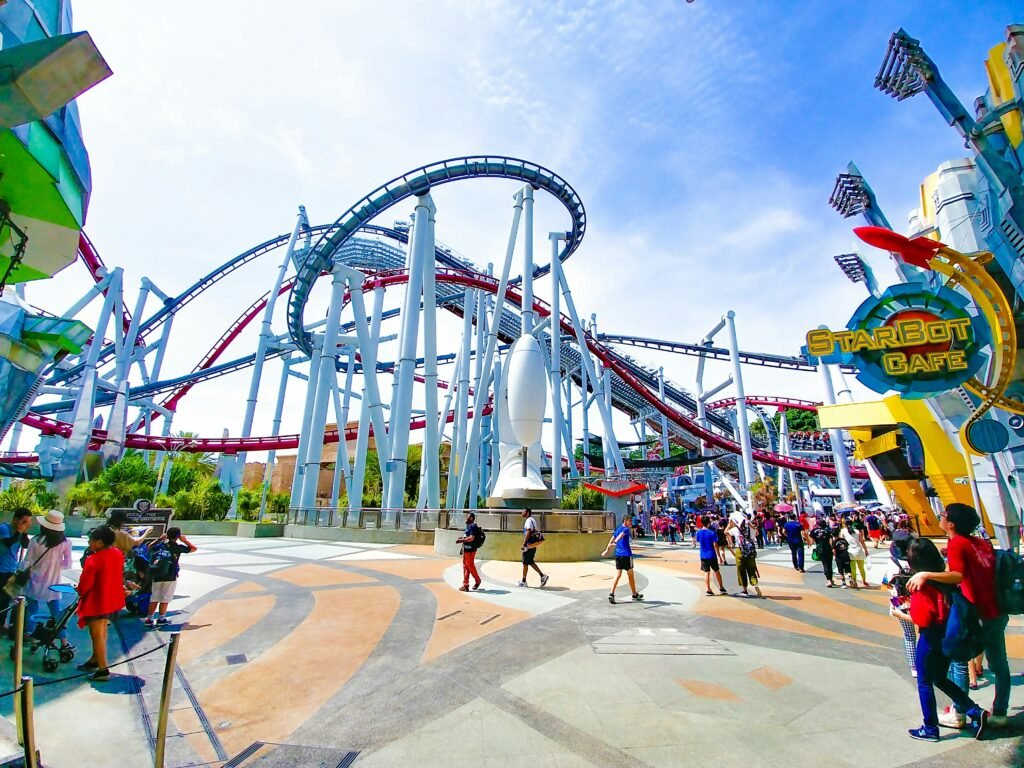
Theme parks are meant to feel fun, exciting, and carefree — but when allergies are involved, they can also bring a lot of unknowns. Long days out, queues, shared food areas, snacks on the go, hot weather, and unfamiliar routines can all make allergy management feel harder than usual.
The good news is that theme parks can still be enjoyed safely with the right preparation. This guide covers practical ways to plan ahead, think about food and medication, and make the day feel more manageable for children and adults with allergies.
Quick Things to Know
- Theme parks are easier when you plan food and medication in advance
- Do not rely on finding safe food easily once you arrive
- Queues and long days can make backup snacks especially important
- Staff may vary in how much they know about allergen information
- Heat, tiredness, and excitement can make things feel more stressful
- A simple plan often makes the day much smoother
Why Theme Parks Can Feel So Tricky
Theme parks often combine several things that make allergy management harder:
- lots of food outlets
- queues and waiting
- busy, noisy environments
- tired children
- hot weather
- limited places to sit and regroup
- pressure to keep moving and “make the most of the day”
That can leave people feeling they have to make quick food decisions under pressure, which is rarely ideal for allergies.
The aim is not to strip all spontaneity out of the day. It is to make sure the basics are covered well enough that you can actually relax and enjoy it.
1. Plan the Food Before You Go
One of the easiest ways to reduce stress is to think about food before you arrive.
Helpful things to consider include:
- whether the park allows you to bring your own food
- whether there are food outlets with allergen information
- what your meal plan is likely to be
- whether you are better eating before arrival
- whether your child will need familiar safe food during the day
- what you will do if nothing on site feels safe
The less you rely on last-minute decisions, the easier the day usually feels.
2. Pack More Safe Snacks Than You Think You Need
Theme park days are often longer than expected.
Queues, delays, ride times, excitement, and tired children can all mean people get hungry at awkward moments.
Helpful things to pack might include:
- cereal bars
- crackers
- fruit if practical
- sandwiches or wraps from home
- safe crisps or snacks
- familiar children’s snacks
- drinks where appropriate
Backup snacks are useful not just for safety, but for timing. They stop you feeling forced into buying something risky just because everyone is suddenly starving.
3. Do Not Assume Food on Site Will Be Easy
Some theme parks are better than others when it comes to allergen information, but even where systems exist, it can still be harder than you hope.
Possible challenges include:
- busy staff
- limited ingredient knowledge
- queue pressure
- unclear cross-contamination information
- changing menus
- mobile ordering systems that do not answer detailed allergy questions
That is why it helps to treat food bought on site as something to assess carefully rather than something to rely on blindly.
4. Keep Medication Easy to Reach
If you or your child has allergy medication, keep it:
- with you
- easy to access
- not buried in the bottom of a bag
- not locked in a car or locker you cannot reach quickly
This may include:
- adrenaline auto-injectors
- antihistamines
- inhalers
- a written action plan if helpful
Theme parks often involve a lot of walking and moving between areas, so it helps to think practically about who is carrying what and how quickly you could get to it.
5. Heat, Tiredness, and Stress Can Make Everything Feel Harder
Even when no reaction is happening, theme park days can make normal allergy management feel more difficult because people are:
- hot
- tired
- overstimulated
- hungry
- distracted
- rushing between rides
This matters because tired or overwhelmed people are more likely to:
- skip checking something properly
- accept food casually
- forget where medication is
- miss early symptoms
- take risks they would normally avoid
A calmer pace often helps more than trying to cram everything in.
6. Children May Need a Simpler Plan Than Adults Expect
For children, theme parks are exciting — which often means less patience and less willingness to wait while adults check food or rethink plans.
That is why it helps to keep things as straightforward as possible, for example:
- familiar snacks from home
- a simple meal plan
- clear rules about not accepting food from others
- easy access to drinks and safe food
- known medication routine
- quiet breaks when needed
A child who is hungry, tired, and overstimulated is much harder to keep calm around food decisions.
7. Think About Food Sharing and Treat Culture
Theme parks are full of:
- sweets
- ice creams
- themed treats
- popcorn
- novelty snacks
- other children offering food
- adults wanting to buy “just one special thing”
This can create social pressure, especially for children who do not want to miss out.
It helps to:
- talk through expectations before the day
- bring safe alternatives if possible
- avoid promising treats you have not checked
- remind children they must ask first
- plan one or two safe fun options in advance if you can
Inclusion matters — but so does not getting trapped into a food decision on the spot.
8. Eating On the Go Needs More Care
Theme park eating often happens:
- while walking
- in queues
- at outdoor tables
- in busy food courts
- between rides
That can make it easier to lose track of:
- what has been checked
- where ingredients were confirmed
- who has touched what
- where wipes or medication are
Sometimes it helps to pause properly, sit down, and make a calmer decision rather than trying to juggle food, maps, bags, and children all at once.
9. Environmental Allergies Can Matter Too
For some people, theme park issues are not just about food.
Environmental triggers may include:
- pollen
- heat
- grass
- dust
- mould in indoor attractions
- strong fragrances in toilets or shops
- animal attractions if relevant
If environmental allergies are part of the picture, it helps to think about:
- what the weather will be like
- whether breaks indoors or outdoors are better
- whether asthma tends to worsen on active outdoor days
- what medication or routines help most
10. Have a Simple “What If” Plan
You do not need to overthink disasters, but it helps to have a calm practical plan.
For example:
- Who is carrying medication?
- What would you do if symptoms started in a queue?
- Would everyone know what symptoms matter?
- Does the child know to say something straight away?
- Would you leave the queue if needed, no debate?
Thinking through these basics before the day can make you feel much calmer once you are there.
11. It Is Okay to Slow the Day Down
People often feel pressure to maximise every minute at a theme park because tickets are expensive and the day is meant to be special.
But for allergy management, sometimes the safest thing is to:
- stop for a proper break
- eat your own food instead of searching endlessly
- skip a risky snack
- leave one area and regroup
- take a quieter pace
That is not “wasting the day.” It is helping the day stay enjoyable instead of stressful.
12. Trust Your Instincts About the Food Situation
If a food outlet feels rushed, vague, or unclear, trust that.
You do not need to talk yourself into a risk because:
- the queue is long
- the child is disappointed
- everyone else is eating
- the staff “seem pretty sure”
If it does not feel clear enough, move on, use your backup food, or rethink the timing.
A safe snack from your bag is better than a risky “treat” chosen under pressure.
Quick Checklist
✅ Planned food before arriving
✅ Packed safe snacks and backup food
✅ Kept medication easy to reach
✅ Thought about queues, heat, and tiredness
✅ Talked to children about not accepting food without checking
✅ Considered environmental allergies as well as food
✅ Had a simple plan for what to do if symptoms started
Final Thoughts
Theme parks with allergies can feel daunting, but they do not have to be off-limits or stressful from start to finish. A bit of planning, some trusted food, and a clear medication routine can make a huge difference.
The aim is not to control every second of the day. It is to remove enough uncertainty that you can enjoy the rides, the fun, and the family time without avoidable risks getting in the way.
A simple plan often turns a stressful day into a much better one.
Related Guides
- Packing for Day Trips and Holidays with Allergies
- Travelling with Allergies: How to Plan Ahead and Stay Safe
- Eating at Friends’ Houses and Social Events
- Safe Snacks for Allergies
Disclaimer: This guide is for general information only and should not replace medical advice. Always follow advice from your doctor or healthcare professional.