Go Back
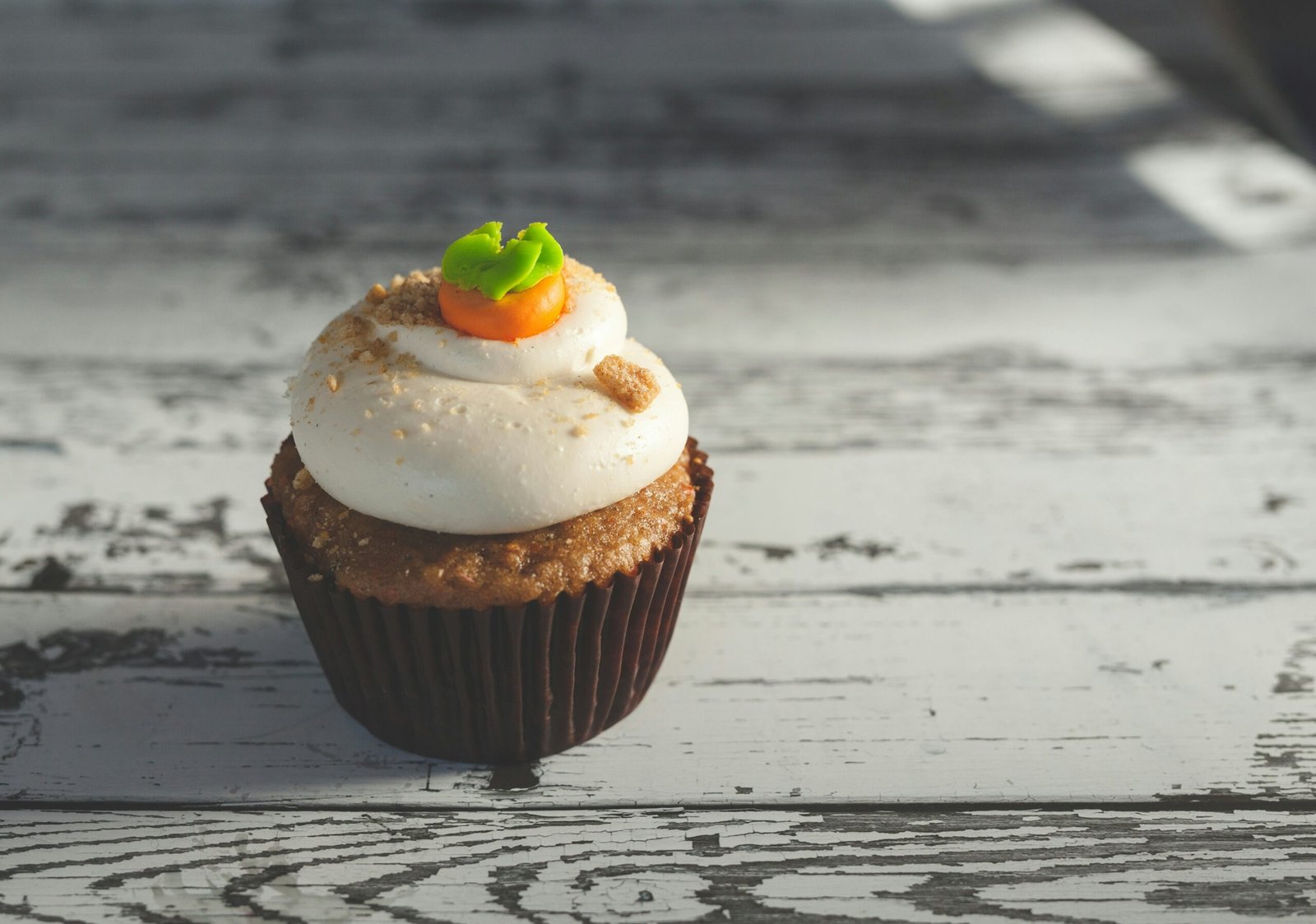
gluten-free carrot cake muffins

Gluten-Free Carrot Cake Muffins

Moist, warmly spiced carrot cake muffins made without gluten, dairy or eggs, finished with a light, fluffy dairy-free butter icing and your choice of allergy-friendly decoration.
Prep Time 20 minutes
Cook Time 25 minutes
Servings: 12 muffins
Course: baking, Snack

Ingredients
  

  • For the carrot cake muffins
  • 250 g gluten-free self-raising flour
  • 140 g light brown sugar
  • 2 teaspoons ground cinnamon
  • ½ teaspoon ground ginger
  • ¼ teaspoon ground nutmeg
  • ½ teaspoon bicarbonate of soda
  • Pinch of salt
  • 180 g carrots peeled and finely grated
  • 100 g smooth apple purée
  • 100 ml vegetable oil
  • 100 ml orange juice
  • 1 teaspoon vanilla extract
  • 1 tablespoon apple cider vinegar
  • For the butter icing
  • 100 g dairy-free block butter softened
  • 200 g icing sugar
  • 1 teaspoon vanilla extract
  • 1 –2 teaspoons suitable dairy-free milk if needed
  • Optional decoration
  • Decorate according to preference using suitable allergy-friendly toppings such as:
  • A light dusting of cinnamon
  • Grated carrot
  • Orange zest
  • Allergy-friendly sprinkles
  • Small decorative icing carrots

Method
 

  1. Preheat the oven to 180°C conventional / 160°C fan / Gas Mark 4. Line a 12-hole muffin tin with suitable muffin cases.
  2. Add the gluten-free self-raising flour, light brown sugar, cinnamon, ginger, nutmeg, bicarbonate of soda and salt to a large mixing bowl. Stir until evenly combined.
  3. Add the finely grated carrot and stir until it is evenly distributed and lightly coated in the flour mixture.
  4. In a separate bowl or jug, whisk together the apple purée, vegetable oil, orange juice and vanilla extract.
  5. Pour the wet ingredients into the dry ingredients and gently fold together until almost combined.
  6. Add the apple cider vinegar and fold through until no dry flour remains. Avoid overmixing, as this may make the muffins dense.
  7. Divide the mixture evenly between the 12 muffin cases, filling each approximately three-quarters full.
  8. Bake for 22–25 minutes, until the muffins are risen and a skewer inserted into the centre comes out clean or with a few moist crumbs.
  9. Leave the muffins in the tin for 10 minutes, then transfer them to a wire rack and allow them to cool completely.
  10. To make the butter icing, beat the softened dairy-free block butter for 2–3 minutes until smooth and creamy.
  11. Add the icing sugar gradually, beating well after each addition.
  12. Add the vanilla extract and beat for another 2–3 minutes until the icing is light and fluffy. If it is too stiff, add suitable dairy-free milk half a teaspoon at a time until it reaches the desired consistency.
  13. Pipe or spread the butter icing over the completely cooled muffins.
  14. Add your chosen suitable allergy-friendly decorations, or leave the icing plain.
Notes

  • Finely grate the carrots so they soften fully and distribute evenly throughout the muffins.
  • Do not squeeze the moisture from the carrots, as it helps keep the muffins soft.
  • Use smooth apple purée rather than chunky stewed apple.
  • The batter should be thick but spoonable. Gluten-free flour blends absorb liquid differently, so add one tablespoon of orange juice if the mixture appears unusually stiff or dry.
  • Use a firm dairy-free block butter rather than a soft spread from a tub, as this produces a more stable butter icing.
  • The dairy-free butter, milk and decorations should all be checked to ensure they are suitable for the allergies being catered for.
  • Only decorate the muffins once they are completely cool.
  • Store iced muffins in an airtight container in a cool place for up to three days. Refrigerate during warm weather and allow them to return to room temperature before serving.
  • Un-iced muffins can be frozen for up to three months. Defrost fully before icing.
Allergy Community reminder: Always double-check ingredient labels before preparing food, as manufacturers can change recipes at any time. Use suitable substitutes to match your individual allergy or dietary needs.