Birthday parties can be exciting for children, but they can also bring extra worry when allergies are involved. Cake, buffet food, sweets, party bags, shared snacks, and busy adults can all make things feel more uncertain than usual.
The good news is that with a bit of planning and clear communication, children with allergies can still be included, enjoy the celebration, and stay safe. This guide covers practical ways to prepare for parties with more confidence and less stress.
Quick Tips Before the Party
- Tell the host clearly about the allergy in advance
- Ask what food will be served if possible
- Bring safe food or a safe treat if that makes things easier
- Keep medication with your child and easy to reach
- Be extra careful with buffets, cakes, and party bags
- Make sure the supervising adults know what to do in an emergency
Why Parties Can Feel More Difficult
Parties often involve exactly the things that make allergy management harder:
- lots of food in one place
- excited children
- less routine
- shared snacks
- homemade cakes
- distracted adults
- pressure not to “make a fuss”
That can make parents feel on edge, and children can sometimes feel left out if nothing is planned properly.
The aim is not to remove all fun or make the party feel clinical. It is simply to think ahead and reduce avoidable risks.
1. Tell the Host in Advance
It usually helps to mention your child’s allergy before the party rather than trying to deal with it at the door.
A simple message is often enough, such as:
“Just to let you know, my child has a serious allergy to [allergen], so we need to be careful with ingredients and cross-contamination.”
This gives the host time to:
- check what food they plan to serve
- tell you what they know
- ask questions if needed
- understand why you may bring safe food
Most people appreciate being told clearly and early.
2. Do Not Rely on Guesswork
Parties are not a good setting for guessing what is in a food, assuming a cake is safe, or trusting that “it should be fine.”
Homemade food can be especially hard to assess because:
- ingredients may not be remembered exactly
- decorations may contain hidden allergens
- utensils may have been shared
- cross-contamination may have happened in the kitchen
If the details are unclear, it is safer not to rely on reassurance alone.
3. Bringing Safe Food Is Often the Easiest Option
Sometimes the least stressful solution is to bring your own safe version of what your child might otherwise miss.
This could include:
- a safe cupcake or slice of cake
- a safe pizza or sandwich
- a small party plate from home
- a safe treat for the party bag moment
That way, your child can still join in without everyone relying on uncertain ingredients or awkward last-minute decisions.
This is not overreacting — it is often the most practical option.
4. Watch Out for Buffet and Shared Food Risks
Buffet tables are one of the biggest party risks for allergies.
Common problems include:
- serving spoons moving between dishes
- children touching multiple foods
- crumbs spreading between plates
- sweets mixed together
- unlabeled snacks
- adults not knowing what is what
Even if something starts off safe, it can quickly become less reliable once lots of children are helping themselves.
If food is being shared buffet-style, it is usually safer to use food you know and trust rather than try to work it all out in the moment.
5. Cake Needs Special Caution
Cake is often the emotional centre of a birthday party, but it can also be one of the hardest things to judge safely.
Cakes and bakes may contain:
- milk
- egg
- wheat
- nuts
- sesame
- hidden decorations or fillings
Even if your child does not have the finished cake, crumbs and shared serving can still matter.
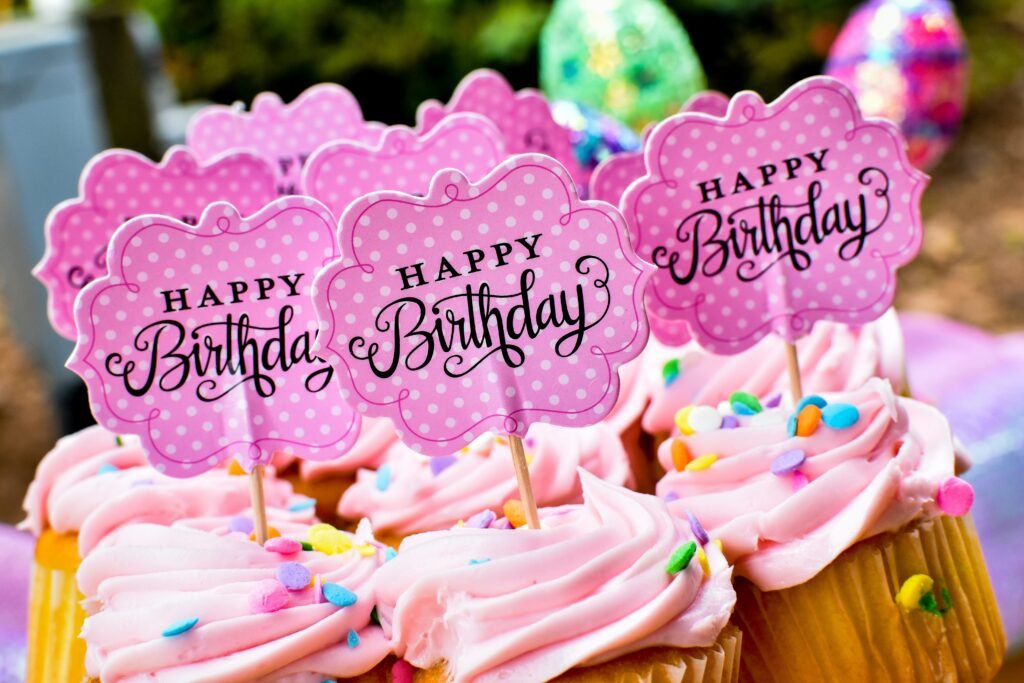
Many families find it easiest to bring a safe cupcake or similar treat so the child still gets their “cake moment” without the risk.
That can make a big difference to both safety and inclusion.
6. Think About Party Bags and Sweets
Party bags can be tricky because:
- sweets are often mixed
- labels may be missing
- packaging can be thrown away
- adults may assume all small sweets are fine
If party bags are likely, it can help to:
- check contents afterwards at home
- swap unsafe items for safe ones
- quietly bring your own safe alternative if needed
Children do not need every party bag sweet in the moment. It is okay to check first and decide later.
7. Medication Should Be Close By
If your child carries allergy medication, keep it nearby and easy to access throughout the party.
Do not:
- leave it in the car
- bury it in a large bag
- assume someone else knows where it is
It also helps if:
- the host knows your child has medication
- the supervising adult knows where it is
- anyone staying with your child understands what to do in an emergency
If your child is old enough, help them understand basic safety too — but responsibility should still stay with the adults.
8. Your Child Should Still Feel Included
Safety is the priority, but inclusion matters too.
Children can feel sad or singled out if everyone else is eating something they cannot have and no alternative has been thought through.
Small things can help:
- bringing a safe cupcake
- packing a safe treat bag
- making sure they have something special too
- keeping your tone calm and matter-of-fact
The goal is not to make your child feel different every time food appears. It is to help them take part safely and confidently.
9. It Is Okay to Stay or Supervise More Closely
Depending on your child’s age, confidence, and allergy history, you may feel happier staying for the party or keeping a closer eye on things.
That is completely reasonable.
You are not being overprotective if:
- the child is very young
- the allergy is severe
- the setting feels unfamiliar
- food will be central to the event
- other adults do not know your child well
Over time, some situations will feel easier. But it is fine to judge each one on its own merits.
10. Trust Your Instincts
If something feels unclear, rushed, or poorly understood, it is okay to be cautious.
You do not need to accept food because someone made an effort.
You do not need to guess ingredients to avoid awkwardness.
You do not need to leave your child in a situation that does not feel safe.
Trusting your instincts is part of good allergy management.
Quick Checklist
✅ Told the host about the allergy in advance
✅ Asked about food if needed
✅ Brought a safe alternative if helpful
✅ Kept medication close by
✅ Took extra care with buffets, cake, and sweets
✅ Helped my child feel included safely
✅ Trusted my instincts if something felt unclear
Final Thoughts
Birthday parties can feel complicated when allergies are involved, but they do not have to be something your child always misses out on.
A little planning, a safe backup option, and clear communication can go a long way. The aim is not to control every detail of the event. It is to reduce unnecessary risk and help your child enjoy the celebration safely.
Children with allergies deserve fun, cake moments, and party memories too — just with the right support around them.
Related Guides
- Allergy-Friendly School and Nursery Tips
- Eating at Friends’ Houses and Social Events
- Talking to Others About Allergies: How to Explain Your Needs Clearly
- Packed Lunch Tips for Children with Allergies
Disclaimer: This guide is for general information only and should not replace medical advice. Always follow advice from your doctor or allergy specialist.