
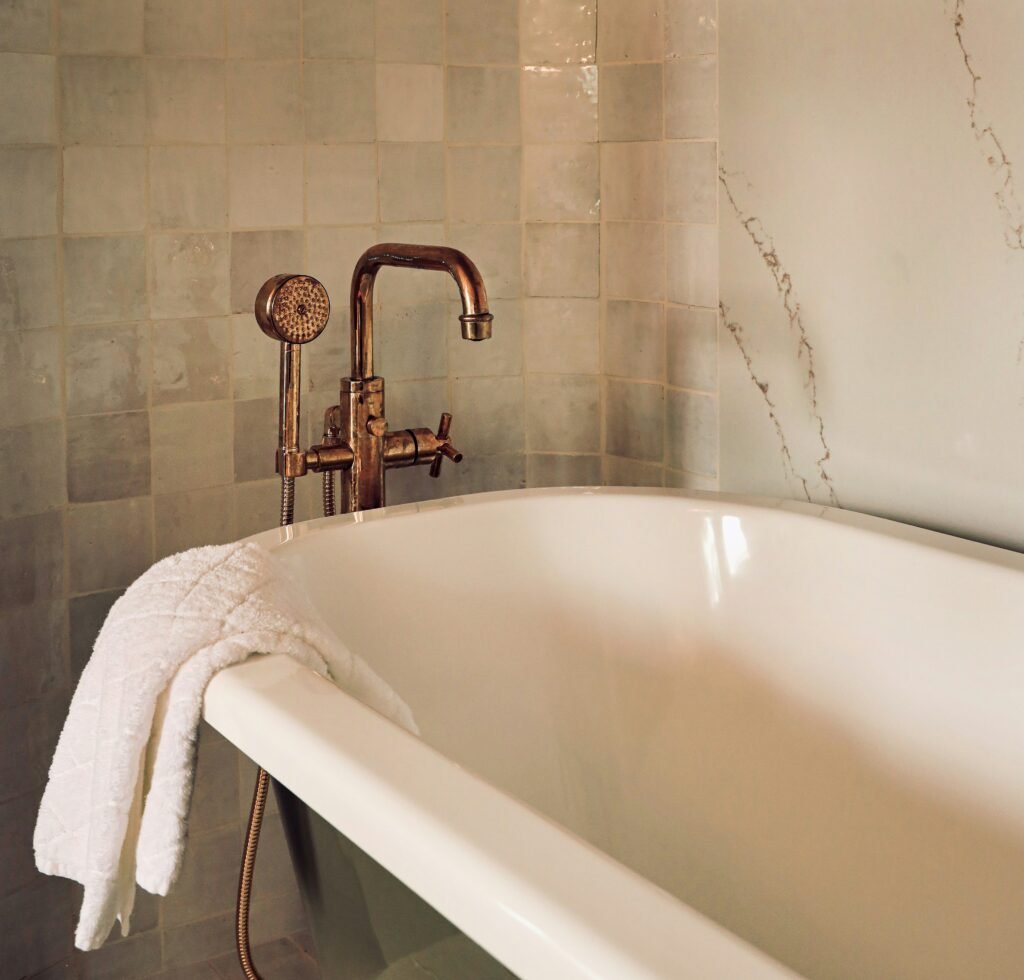
Bath time can be soothing, but when skin is dry, eczema-prone, or easily irritated, it can also become one of the moments that makes things worse. Hot water, fragranced products, bubble baths, and too much washing can all leave sensitive skin feeling tighter, itchier, and more uncomfortable afterwards.
The good news is that bath time does not have to be complicated. A few simple changes can help make washing gentler, calmer, and easier on sensitive skin.
Quick Things to Know
- Hot water can make sensitive skin feel worse
- Fragrance is a common trigger for irritation
- Bubble bath is often not the best choice for eczema-prone skin
- Gentler routines usually help more than lots of products
- Patting skin dry is often kinder than rubbing
- Moisturising after bathing can be an important step
Why Bath Time Can Be Tricky
Baths and showers are part of everyday life, so when skin reacts badly to them it can feel frustrating and hard to avoid.
Sensitive skin may feel worse after bathing because of:
- hot water
- long baths
- fragranced washes
- foaming products
- repeated washing
- rough towel drying
- delays in applying moisturiser afterwards
That does not mean bathing is bad. It just means the routine often needs to be a bit gentler.
1. Keep the Water Warm, Not Hot
Very hot water can strip moisture from the skin and make dryness, itching, and irritation worse.
For sensitive skin, it usually helps to keep the water:
- warm
- comfortable
- not too hot
- not steamy for long periods
If skin often looks redder, itchier, or tighter after bathing, the water temperature is one of the first things worth looking at.
2. Shorter Baths Are Often Easier on Skin
Long baths can sometimes leave sensitive skin feeling more dry and uncomfortable afterwards.
A shorter, gentler wash is often easier to tolerate than:
- a very long soak
- repeated washing
- lots of time in hot water
This does not mean bath time has to be rushed or stressful, especially for children. It just means that keeping things simple and not overdoing it often helps.
3. Bubble Bath Is Often Not Ideal
Bubble bath can feel like a treat, especially for children, but it is often one of the first things to reconsider when skin is sensitive.
That is because bubble bath products are often:
- fragranced
- foaming
- more likely to irritate dry or eczema-prone skin
If skin often flares after baths, bubble bath is one of the most useful things to step back from first.
4. Fragrance Is a Common Trigger
Fragrance in bath and body products can be a big issue for sensitive skin.
This may include:
- bubble baths
- body washes
- shampoos
- bath oils with added scent
- children’s “fun” bath products
- bath bombs
- strongly scented soaps
For many people, a simpler fragrance-free routine is much easier on the skin than a heavily scented one.
5. Use Fewer Products, Not More
When skin is irritated, it can be tempting to try lots of different bath products in the hope that one will help.
But often, sensitive skin does better with:
- fewer products
- gentler products
- more consistency
- less switching around
The aim is not to build a complicated skincare routine in the bath. It is to wash gently without adding extra irritation.
6. Be Gentle When Washing
Sensitive skin usually responds best to a gentle approach.
That may mean:
- avoiding harsh scrubbing
- using hands or soft cloths rather than rough sponges
- not over-washing areas that do not need it
- being especially careful with sore, cracked, or inflamed skin
If skin is already flaring, rough washing often makes it worse rather than cleaner.
7. Hair Products Can Affect Skin Too
Sometimes the issue is not just the wash on the body, but also products running over the skin from the hair.
Shampoo and conditioner may irritate:
- the scalp edges
- forehead
- neck
- back
- shoulders
- eyelids in some cases
If the rash often appears around these areas, it may be worth thinking about whether hair products are part of the picture too.
8. Pat Skin Dry Rather Than Rubbing
Towel drying can make a difference too.
For sensitive skin, it often helps to:
- pat skin dry gently
- avoid vigorous rubbing
- leave the skin slightly damp rather than fully dried out
- use a soft towel if possible
Rubbing the skin briskly can increase irritation, especially if it is already itchy or inflamed.
9. Moisturising After Bathing Can Help
For many people with dry or eczema-prone skin, what happens after the bath matters just as much as the bath itself.
Applying moisturiser after washing can help support the skin barrier and reduce the feeling of dryness afterwards.
This is often especially helpful when:
- skin feels tight after bathing
- eczema is part of the picture
- the skin is dry or itchy in colder weather
- a child’s skin flares after washing
A steady routine is usually more helpful than saving moisturiser only for the worst days.
10. Children Often Need a Calm, Simple Routine
Bath time products for children are often colourful, scented, or marketed as fun. But sensitive skin usually benefits from a calmer approach.
That might mean:
- fewer products
- gentler products
- simpler bath routines
- avoiding strongly fragranced “treat” items
- keeping post-bath moisturising consistent where needed
Children do not need loads of products to have a good bath. Comfort matters more than bubbles and scent.
11. Watch for Patterns After Bath Time
Helpful questions to ask include:
- Does the skin look worse straight after bathing?
- Is itching worse in the evening after bath time?
- Does one product seem to cause more irritation?
- Is the face, neck, or hands especially affected?
- Do things improve when the routine is simplified?
A small pattern note can be really useful, especially if you are trying to work out what is making skin worse.
12. When to Seek Medical Advice
It may be worth speaking to a healthcare professional if:
- skin is consistently worse after bathing
- eczema is affecting sleep or daily life
- skin is sore, cracked, or infected
- a child is very uncomfortable
- you suspect allergy or contact dermatitis is involved
- simplifying the routine is not helping enough
You do not need to figure out every flare-up by yourself if the skin is persistently unhappy.
Quick Checklist
✅ Kept the water warm rather than hot
✅ Avoided bubble bath if it seems to irritate
✅ Thought about fragrance in bath and hair products
✅ Used a gentle washing routine
✅ Patted skin dry rather than rubbing
✅ Moisturised afterwards if helpful
✅ Watched for repeat patterns after bath time
Final Thoughts
Bath time for sensitive skin does not need to be complicated. In fact, the kindest routine is often the simplest one: warm water, gentle washing, fewer products, and a calm follow-up afterwards.
The aim is not to make baths stressful or clinical. It is to make them comfortable, practical, and less likely to trigger dryness or irritation.
Often, small changes at bath time can make a noticeable difference to skin over time.
Related Guides
- Choosing Allergy-Friendly Skincare
- Eczema and Allergies
- Fragrance Allergy Guide
- Contact Dermatitis Explained
Disclaimer: This guide is for general information only and should not replace medical advice. Always follow advice from your doctor or healthcare professional.