
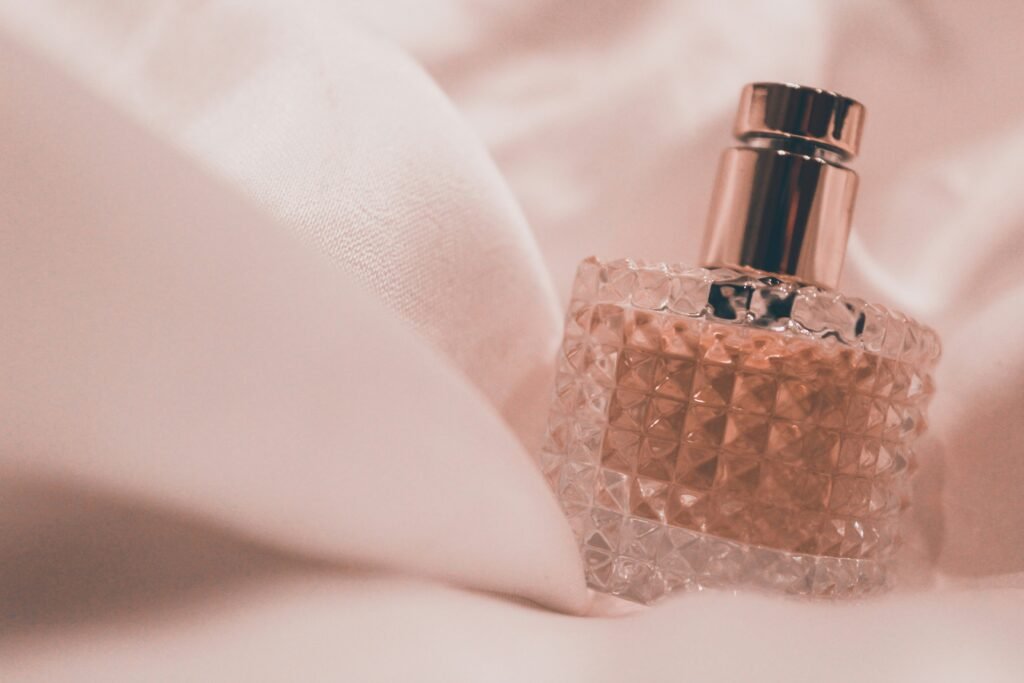
Fragrance allergy can be surprisingly difficult to spot because fragrance appears in so many everyday products. It is not just perfume — it can show up in skincare, shampoo, soap, candles, cleaning sprays, laundry products, and even products labelled as gentle or luxurious.
This guide explains what fragrance allergy is, common symptoms to look out for, where fragrance may be hiding, and practical ways to make daily life easier on sensitive skin.
Quick Things to Know
- Fragrance allergy is often linked to products that touch the skin
- It can also be triggered by scented products in the air
- Reactions may affect the skin, eyes, nose, or breathing
- Fragrance is found in far more products than many people realise
- “Natural” or essential-oil products can still be a problem
- Simpler routines often help
Why Fragrance Allergy Can Be Hard to Spot
Fragrance allergy is tricky because the trigger often feels normal. People use fragranced products every day, so it can take time to notice that the skin or symptoms seem worse after certain products, routines, or environments.
It can also be confusing because:
- reactions are not always immediate
- several products may contain fragrance at once
- people assume natural scents are safer
- symptoms may overlap with eczema, dermatitis, or irritation
- the trigger may be on the skin, clothes, bedding, or in the air
That is why looking at patterns matters so much.
1. What Is a Fragrance Allergy?
A fragrance allergy is usually a type of contact allergy, where the skin reacts to fragrance ingredients in a product.
This may happen after exposure to:
- perfume
- skincare
- shampoo
- conditioner
- soap
- moisturiser
- deodorant
- laundry products
- cleaning sprays
- air fresheners
For some people, fragrance may mainly trigger skin symptoms. For others, strong scents may also make the eyes, nose, throat, or breathing feel worse.
2. Common Symptoms of Fragrance Allergy
Possible symptoms may include:
- itchy skin
- red patches
- dry or sore skin
- rash
- burning or stinging
- flaky skin
- irritation on the face, neck, hands, or underarms
- irritated eyes
- sneezing
- headaches in some people
- throat irritation or discomfort around strong scents
Skin symptoms are often the clearest clue, especially if they keep appearing in the same places after using certain products.
3. Common Areas Affected
Fragrance allergy often affects the areas where products are used most often, such as:
- face
- eyelids
- neck
- hands
- underarms
- scalp edges
- chest
- wrists
For example:
- a rash on the neck may be linked to perfume
- sore hands may be linked to fragranced soap
- irritated eyelids may be linked to face cream, shampoo, or products transferred from the hands
Where the symptoms appear can be very useful when trying to work out the trigger.
4. Fragrance Is Found in More Than Perfume
This is one of the biggest things people miss.
Fragrance may be present in:
- perfume and body sprays
- soap
- shower gel
- shampoo and conditioner
- moisturiser
- makeup
- sunscreen
- deodorant
- baby wipes
- shaving products
- laundry detergent
- fabric softener
- cleaning products
- candles
- diffusers
- air fresheners
This is why symptoms can continue even after someone stops using perfume itself.
5. “Natural” Does Not Always Mean Better
A lot of people assume products labelled:
- natural
- botanical
- essential oil
- aromatherapy
- plant-based
must be gentler.
But natural fragrance can still trigger reactions.
Essential oils and plant-based scent ingredients may still irritate sensitive skin or trigger allergic contact dermatitis in some people. So it is important not to assume a product is safer just because it sounds more natural or wellness-focused.
The skin cares about the ingredient, not the marketing.
6. Fragrance Can Build Up Through Multiple Products
One of the reasons fragrance allergy can be hard to untangle is that it may not be just one product.
For example, someone might be exposed to fragrance through:
- face wash
- moisturiser
- shampoo
- deodorant
- laundry detergent
- a cleaning spray
- a candle in the same room
On their own, each product may seem harmless. Together, they can create a lot of ongoing exposure.
This is one reason simpler routines often help more than people expect.
7. Laundry Products Can Be Overlooked
Laundry products are a common hidden source of fragrance.
This may include:
- detergent
- fabric softener
- scent boosters
- tumble dryer sheets
These products do not just stay in the washing machine — they remain on:
- clothes
- towels
- bedding
- children’s sleepwear
- pillowcases
- blankets
If skin seems worse in areas covered by clothes or bedding, laundry products are worth thinking about.
8. Airborne Fragrance Can Be a Problem Too
For some people, fragrance is not only a skin issue. Strong scent in the environment can also be uncomfortable.
Possible triggers may include:
- perfume in enclosed spaces
- candles
- diffusers
- air fresheners
- strongly fragranced cleaning sprays
- heavily scented public bathrooms
- workplaces or vehicles with fragrance products
This may lead to:
- irritation
- headaches
- sneezing
- eye discomfort
- cough or throat irritation
- skin irritation in some cases
This does not happen to everyone, but it is a pattern worth noticing if strong scents make you feel worse.
9. Fragrance Allergy and Eczema Can Overlap
People with eczema or sensitive skin are often more likely to find fragrance makes things worse.
This can make it hard to tell:
- whether the skin is flaring because of eczema alone
- whether fragrance is actively triggering the flare
- whether both are happening together
If skin seems calmer with simpler, fragrance-free routines, that may be a useful clue.
The aim is not to blame every flare on one ingredient. It is to notice what repeatedly seems to make things worse.
10. A Simpler Routine Is Often the Best Starting Point
If fragrance may be an issue, it usually helps to simplify rather than add more products.
That might mean:
- fewer skincare steps
- fewer scented toiletries
- simpler laundry products
- avoiding air fresheners and diffusers
- sticking to products your skin already seems to tolerate well
You do not need a bathroom full of specialist products. Often the skin responds best when routines become calmer and less busy.
11. Pattern-Spotting Really Helps
Helpful questions include:
- Does skin flare after using a certain product?
- Are eyelids, neck, or hands reacting in a repeated way?
- Do symptoms improve when products are reduced?
- Is laundry day making things worse?
- Do strong scents in the home or workplace trigger symptoms?
- Has anything new been introduced recently?
A short note on your phone can help, especially if the pattern is not obvious at first.
12. When to Seek Medical Advice
It may be worth speaking to a healthcare professional if:
- the rash keeps coming back
- the skin is sore, cracked, or very uncomfortable
- you think fragrance may be triggering contact dermatitis
- symptoms affect the face, eyes, or hands regularly
- simplifying products is not helping enough
- you think patch testing or further assessment may be needed
You do not need to solve it all by trial and error if the symptoms are significant.
Quick Checklist
✅ Thought beyond perfume alone
✅ Considered skincare, laundry, and cleaning products
✅ Remembered that natural fragrance can still be a problem
✅ Noticed where symptoms appear most often
✅ Simplified routines where helpful
✅ Looked for repeat patterns over time
✅ Sought advice if the skin reaction is ongoing or significant
Final Thoughts
Fragrance allergy can be surprisingly disruptive because scent is built into so many everyday routines. But once you start noticing where fragrance is coming from — and how often it is layered through multiple products — things often become much clearer.
The aim is not to fear every scented product. It is to make practical choices that reduce unnecessary irritation and help skin feel calmer and more comfortable.
Often, the simplest routines are the kindest ones.
Related Guides
- Contact Dermatitis Explained
- Choosing Allergy-Friendly Skincare
- Eczema and Allergies
- Cleaning for an Allergy-Friendly Home
Disclaimer: This guide is for general information only and should not replace medical advice. Always follow advice from your doctor or healthcare professional.