Eczema and allergies often seem to overlap, especially in babies, children, and people with sensitive skin. For some, eczema is mainly a skin condition that flares with dryness, irritation, or stress. For others, allergies can seem to play a part too — whether through food, environmental triggers, fragrance, or contact with irritating products.
This guide explains the link between eczema and allergies, common triggers to think about, and practical ways to care for skin more confidently.
Quick Things to Know
- Eczema and allergies often overlap, but they are not the same thing
- Dry, irritated skin can react to many different triggers
- Fragrance, heat, sweat, soaps, and allergens may all play a part
- Some people with eczema also have food or environmental allergies
- Skin care routines matter just as much as trigger awareness
- Patterns are often more helpful than assumptions
Why the Link Can Feel Confusing
Eczema is one of those conditions that can feel simple on the surface but complicated in real life. People often want a single answer:
- “What is causing it?”
- “Is it food?”
- “Is it allergy?”
- “Is it something in the house?”
Sometimes there is a clear pattern. Sometimes there is not.
That can be frustrating, especially for parents trying to help a child with sore, itchy skin. The goal is not to blame every flare-up on one thing. It is to understand the bigger picture and make day-to-day management feel more practical.
1. What Is Eczema?
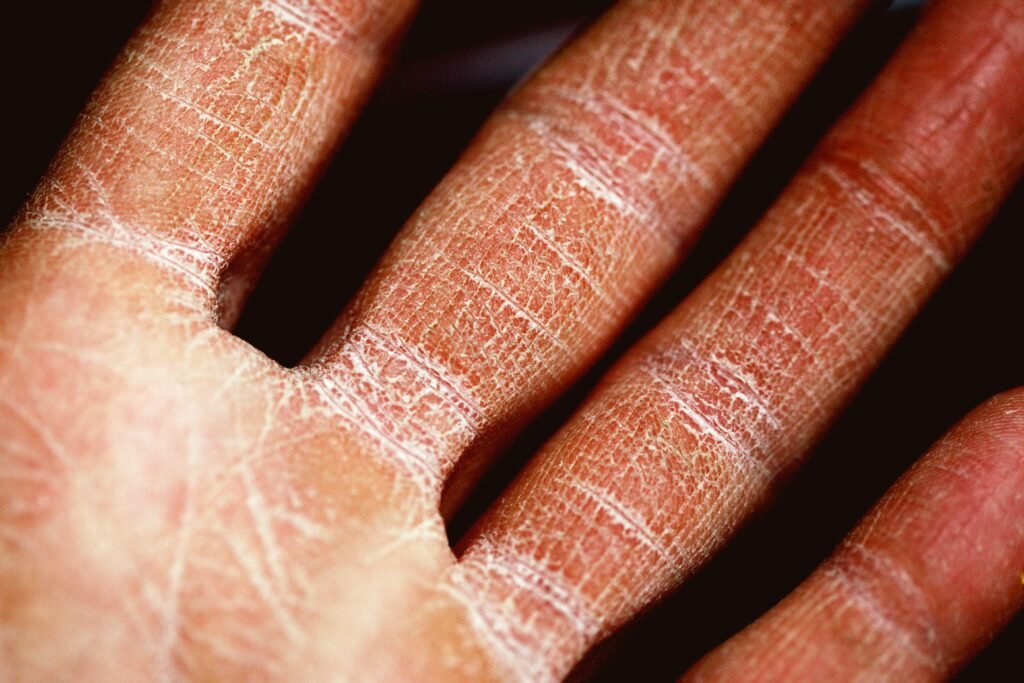
Eczema is a skin condition that causes inflammation, dryness, itching, and irritation. It can affect babies, children, and adults, and it often comes and goes in flare-ups.
Common signs of eczema include:
- dry skin
- itchy patches
- red or inflamed skin
- rough or cracked areas
- sore or sensitive skin
- patches that feel worse after scratching
It can appear in different places depending on age and the individual, and it may range from mild to quite disruptive.
2. Eczema and Allergies Often Overlap
Many people with eczema also have other allergic conditions such as:
- food allergies
- pollen allergy
- dust mite allergy
- pet allergy
- asthma
- hay fever
This does not mean every eczema flare is caused by an allergy. But it does mean that in some people, allergies may be part of the wider picture.
This overlap is one reason eczema is sometimes discussed alongside allergic conditions, especially in children.
3. Not Every Flare-Up Is Caused by Food
This is really important.
When eczema flares, it is easy to start looking for one food or one allergen to blame. Sometimes a food allergy may be relevant, especially if there are clear patterns or other allergy symptoms. But many flare-ups are not caused by food alone.
Eczema may also worsen with:
- dry weather
- cold weather
- heat
- sweating
- soaps or detergents
- fragrance
- rough fabrics
- illness
- stress
- dust or environmental irritants
That is why it helps to look at patterns rather than jumping to conclusions.
4. Skin Barrier Matters a Lot
One of the most important things to understand about eczema is that the skin barrier is often more vulnerable.
When the skin barrier is not working well, skin may:
- lose moisture more easily
- feel dry and sore
- react more to everyday products
- become itchy more quickly
- flare more easily
This is one reason regular skin care is often such a big part of managing eczema. Trigger awareness matters, but skin care routines matter just as much.
5. Common Triggers to Think About
Eczema triggers vary from person to person, but common ones may include:
- fragranced products
- bubble baths
- soaps
- hot baths or showers
- sweating
- wool or rough fabrics
- heat
- dry air
- dust
- pet contact in some cases
- pollen in some cases
- illness or tiredness
- stress
The trigger is not always dramatic. Sometimes it is the build-up of small irritations over time that pushes the skin into a flare.
6. Itching Can Make Everything Worse
One of the hardest parts of eczema is the itch-scratch cycle.
Skin becomes itchy, then scratching damages the skin more, which causes more irritation, more inflammation, and often even more itching.
That cycle can be especially hard:
- at night
- in children
- in hot weather
- when skin is already dry or cracked
This is one reason managing eczema is not only about removing triggers. It is also about helping skin feel more comfortable so scratching becomes less constant.
7. Environmental Allergies May Play a Role
For some people, eczema may seem worse when other allergies are active too.
This can include:
- dust mite exposure
- pollen season
- pet exposure
- indoor allergens
- damp or mouldy environments
That does not mean the allergy is the sole cause of eczema. But if skin consistently worsens in certain environments or seasons, it is worth noticing that pattern.
Looking at the home environment, bedroom, or pet contact can sometimes help build a clearer picture.
8. Eczema in Babies and Children
Eczema is especially common in babies and children, which can make life tough for both the child and the adults caring for them.
Possible signs may include:
- red, dry, itchy patches
- scratching or rubbing constantly
- disturbed sleep
- sore cheeks or skin folds
- fussiness linked to discomfort
- skin that flares after certain products, heat, or illness
Children often cannot explain the discomfort clearly, so it helps to watch for patterns and think about what may be making skin worse overall.
9. Skin Care Products Matter
Products that touch the skin every day can make a big difference.
This may include:
- soap
- shampoo
- bubble bath
- moisturiser
- laundry products
- wipes
- fragranced lotions
- sunscreen
For some people, simpler routines are easier on eczema-prone skin than heavily scented or product-heavy ones.
The aim is not to make you anxious about every product. It is to notice when skin seems calmer with simpler, gentler choices.
10. Food Allergy May Sometimes Need Looking At
Food allergy can be relevant for some people with eczema, particularly if:
- there are clear immediate reactions to foods
- hives, swelling, vomiting, or other allergy symptoms happen too
- a child has significant eczema and other allergic symptoms
- a healthcare professional has already raised allergy as part of the picture
But eczema alone does not automatically mean food allergy.
If you suspect food is involved, it is better to seek proper medical advice than to cut out lots of foods on your own.
11. Tracking Patterns Can Help
It may help to notice:
- when flare-ups happen
- what products were used
- whether weather or heat played a part
- whether pollen season seems to worsen things
- whether skin is worse after sweating
- whether a new detergent, soap, or product was introduced
- whether food reactions happened alongside skin symptoms
A short note in your phone is often enough.
Patterns are often more useful than guesswork.
12. When to Seek Medical Advice
It may be worth speaking to a healthcare professional if:
- eczema is affecting sleep
- skin is cracked, sore, or infected
- you suspect a food or allergy link
- symptoms are not improving with basic care
- a child is very uncomfortable
- you are unsure what is triggering flare-ups
- skin symptoms are affecting daily life significantly
The aim is not to panic over every patch of dry skin. It is to get support when eczema is causing real discomfort or confusion.
Quick Checklist
✅ Thought about common triggers like fragrance, heat, and dry skin
✅ Noticed whether allergies seem to overlap with flare-ups
✅ Paid attention to the home or bedroom environment
✅ Kept skin care routines simple and consistent where possible
✅ Avoided assuming every flare is food-related
✅ Noted patterns if helpful
✅ Sought advice if eczema is significant, worsening, or confusing
Final Thoughts
Eczema and allergies can overlap in ways that make things feel more confusing than they need to be. But understanding that overlap often helps you manage both more calmly.
The aim is not to blame every flare-up on one hidden cause. It is to look at the bigger picture — skin barrier, irritation, environment, and possible allergy patterns — and build routines that genuinely help.
Simple, steady care and better pattern-spotting often go a long way.
Related Guides
- Choosing Allergy-Friendly Skincare
- Bath Time Tips for Sensitive Skin
- Dust Mite Allergy Guide
- Contact Dermatitis Explained
Disclaimer: This guide is for general information only and should not replace medical advice. Always follow advice from your doctor or healthcare professional.